Category Traditional and Indigenous Knowledge

TPP, India Most-Read IP-Watch Stories Of 2015

The most-read stories of 2015 on the Intellectual Property Watch website fairly reflected the trends of the year, with the Trans-Pacific Partnership (TPP) agreement, India’s evolving intellectual property rights policies, European Patent Office patents on conventional vegetables, biologics, 3D printing, and some pop culture issues leading the way.

In the coming weeks, IP-Watch will review in-depth what’s in store for 2016, already underway. But for now, let’s take a look at last year’s highlights.
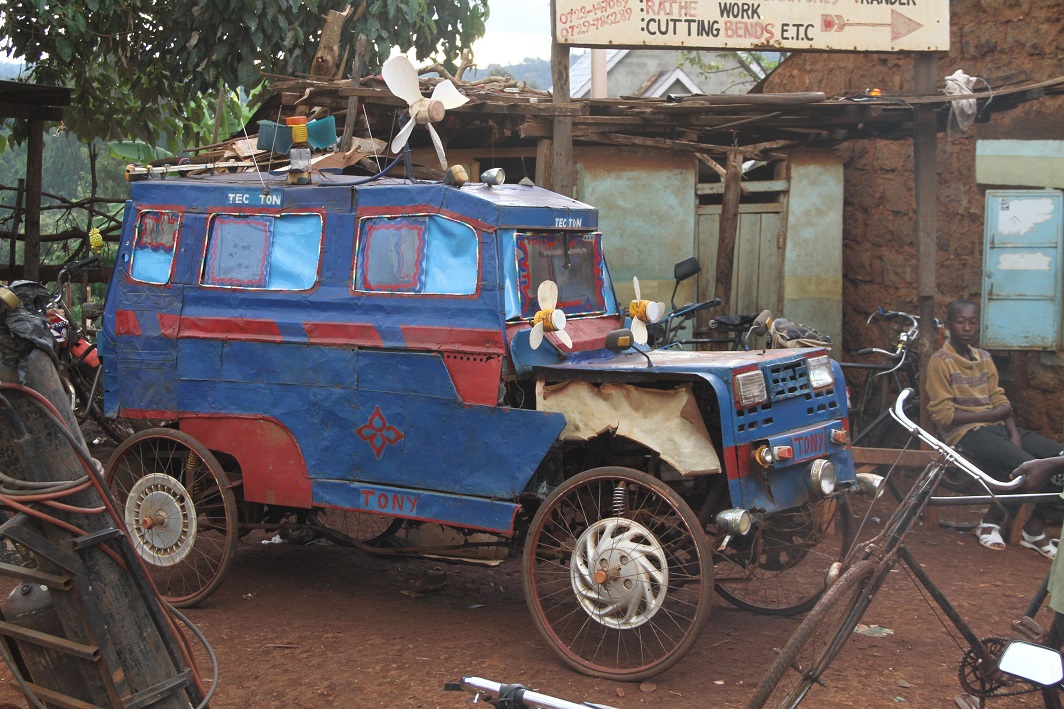

Ahead Of WTO Summit In Nairobi, Kenya’s IP Laws Come Under Scrutiny

NAIROBI, Kenya- Ahead of the World Trade Organization (WTO) Ministerial Summit in Nairobi, Kenya’s intellectual property laws are coming under scrutiny over what experts see as their inability to protect economic projects and inspire innovations.

‘One Battleship Has Arrived In Port’ – A Japanese View On The TPP

The TPP is done, or not quite. But what is still lacking, what are next steps and what does the finalised deal do to the grand picture of the mega-trade deal landscape? Japanese economist Nakagawa Junji, Professor of International Economic Law Institute of Social Science, University of Tokyo, shares a view from Japan with writer Monika Ermert.

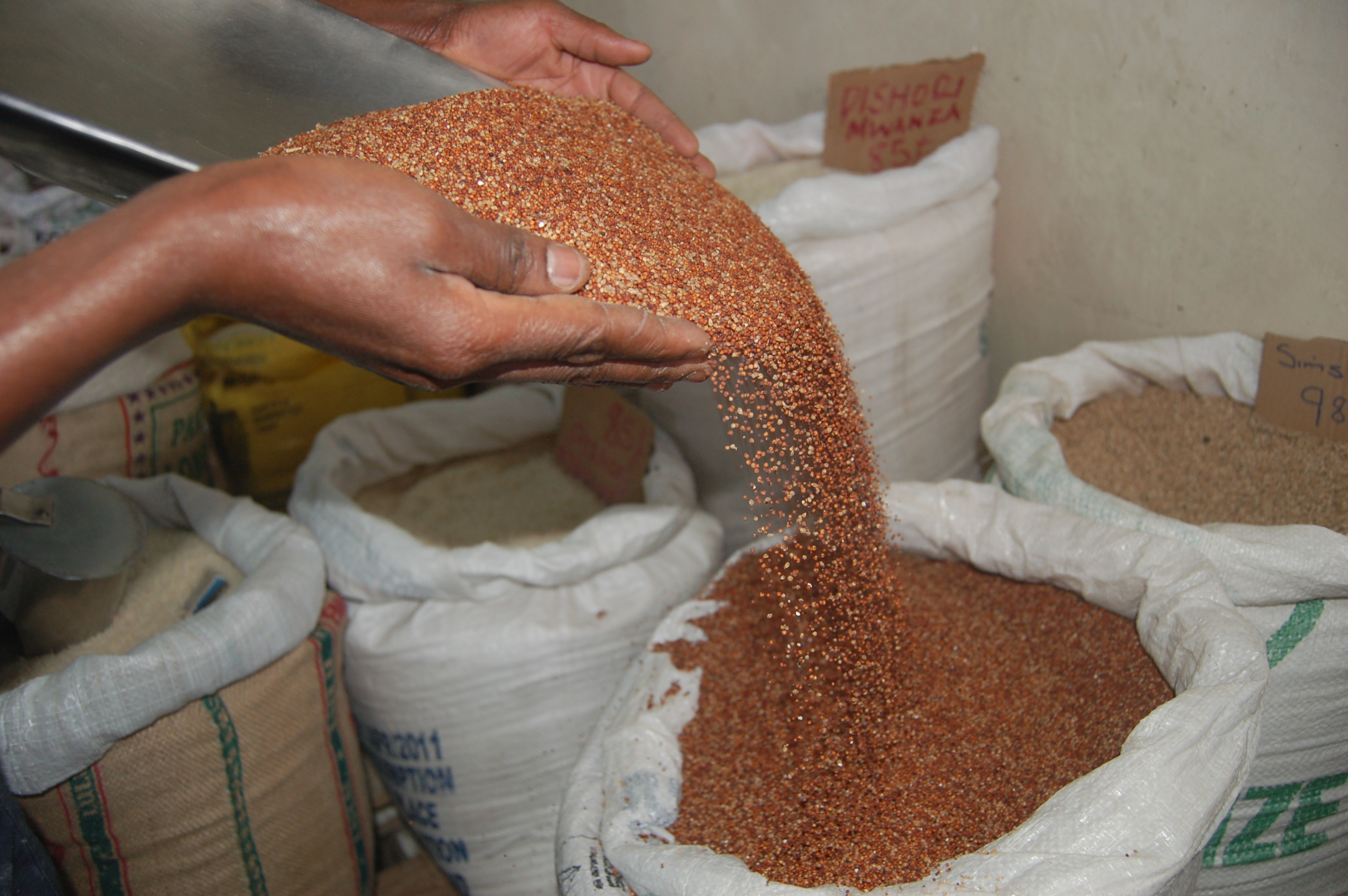
Northern Tanzania Maasai Land Loss Threatens Indigenous Knowledge

NAIROBI, Kenya - After a five year gruelling court battle, the indigenous Maasai community in Northern Tanzania has lost the right to its traditional land after the High Court handed it to a US-based tourism company in a court ruling on 27 October.

Kenya Considers Lifting Ban On GMOs; Seed Patents In Debate

NAIROBI, Kenya – A Kenyan government plan to lift the ban on genetically modified organisms (GMOs) is stirring a heated debate here, with experts warning on safety and the East African nation’s preparedness for the technology.

Plant Treaty Budget, Work Programme Approved; Farmers Concerned

The treaty on plant genetic resources held its governing body meeting earlier this month with new initiatives to bring financial sustainability to the treaty, in particular to study the possibility of a subscription system to access the treaty’s plant genetic materials. Also, the Governing Body approved the first work programme of a global information system, which includes an initiative to enhance the use of gene bank materials, to the dismay of farmers’ organisations.

WIPO Assembly Extends Talks On Traditional Knowledge, Design; Sets Policy For New Offices

Near dawn today, World Intellectual Property Organization members agreed to continue working in committee toward an international agreement or agreements on the protection of traditional knowledge, genetic resources and folklore, rescuing the committee for another two years. Members also agreed to hold a final treaty negotiation on a design law treaty in early 2017, but left differences on inclusion of disclosure of origin to later.

WIPO Blooms With Exhibitions From Around The World, And Its Own Archives

At the annual World Intellectual Property Organization General Assembly over the past week, exhibitions have highlighted colourful and innovative ideas from around the world. It also includes an exhibition of historical documents from the WIPO archives.

Racing Against Time To Close On Difficult Issues At WIPO General Assembly

With hours to go before the end of the annual World Intellectual Property Organization General Assembly, delegates are trying to find last resort solutions on a range of remaining issues. Keeping WIPO members busy are: the adoption of the budget and a new plan for financing the Lisbon appellations of origin treaty, fate of the WIPO committee on genetic resources and traditional knowledge, the work of the copyright committee, and whether to mandate the final negotiation of an industrial design treaty.

WIPO Assembly Still Divided On Normative Work On Traditional Knowledge

Discussions on the future of the World Intellectual Property Organization committee on traditional knowledge and genetic resources are heating up as some developed countries seek to delay normative work for the next biennium and favour information sessions, and developing countries are eager to go back to discussion on actual treaty texts.