Category Traditional and Indigenous Knowledge

No Need Of IPRs For Protecting Traditional Knowledge

We should be careful in creating registrable rights on the traditional knowledge (TK) including traditional medicine practices and classifying TK under intellectual property rights, which are private exclusive rights operating like a monopoly in practice. Patents create private spaces in the knowledge arena (though for a short duration), and therefore no private appropriation should be allowed in the realm of TK, writes R.S. Praveen Raj.

WIPO Director Gurry Highlights Value Of Indigenous Knowledge

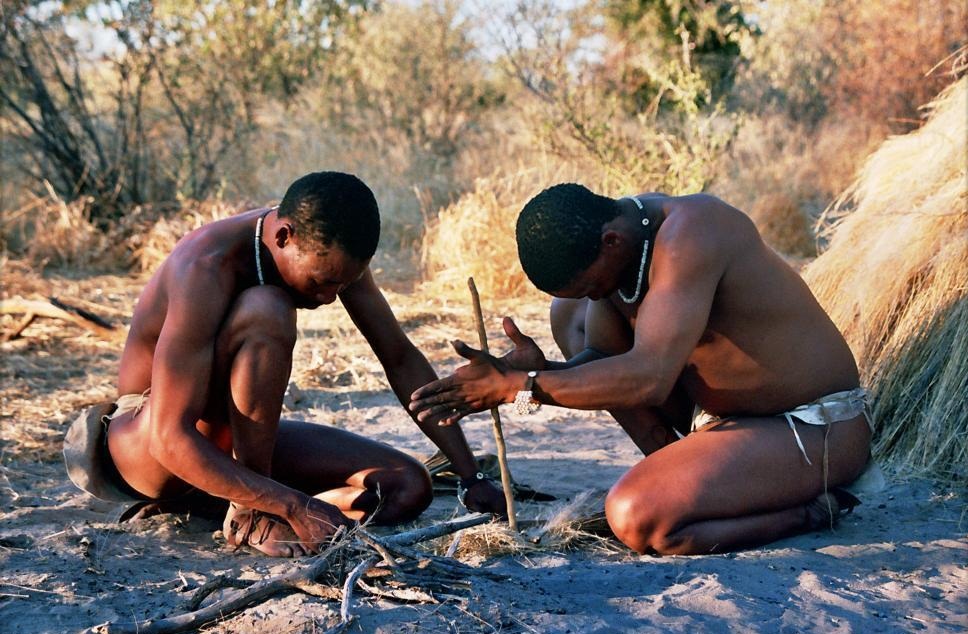
Indigenous Peoples' knowledge and creativity is a valuable source of inspiration for all, but might benefit from being better protected, the head of the UN World Intellectual Property Organization said this month. WIPO is currently negotiating an international instrument or instruments to better protect genetic resources, traditional knowledge and traditional cultural expressions (folklore).

India’s Lead Role In South-South Cooperation For Environmental Diplomacy

India can play a leadership role to inspire developing countries in environmental policy-making, according to a new paper. Using its experience, India should further enhance South-South cooperation through an action plan including the establishment of a cooperation platform focussing on issues such as climate change, traditional knowledge, innovation, and intellectual property rights.

Special Feature: Differences Over GIs Threaten 2016/2017 WIPO Budget Approval

The UN World Intellectual Property Organization is a member-driven agency set up to protect IP rights worldwide. In recent years, an area of dissension and debate has been how to make the organisation – and IPRs - friendlier to developing countries. This year, however, it has become a hotspot for the global debate between developed countries over protection of geographical indications, products of distinctive character deriving from specific locations.

WIPO: Databases To Protect GRs, TK, Useful But Some Controversy

In the quest to find solutions to protect traditional knowledge and genetic resources from misappropriation, some countries have resorted to private databases to be used by patent examiners. Indigenous peoples are wary of the process primarily because they are not sure their knowledge will remain safe in those databases. Speakers at a World Intellectual Property Organization this week discussed the pros and cons of such defensive protection.