Category Technical Cooperation/ Technology Transfer

WIPO Workshop Looks At Potential Impact Of Reducing Patent Fees For Universities

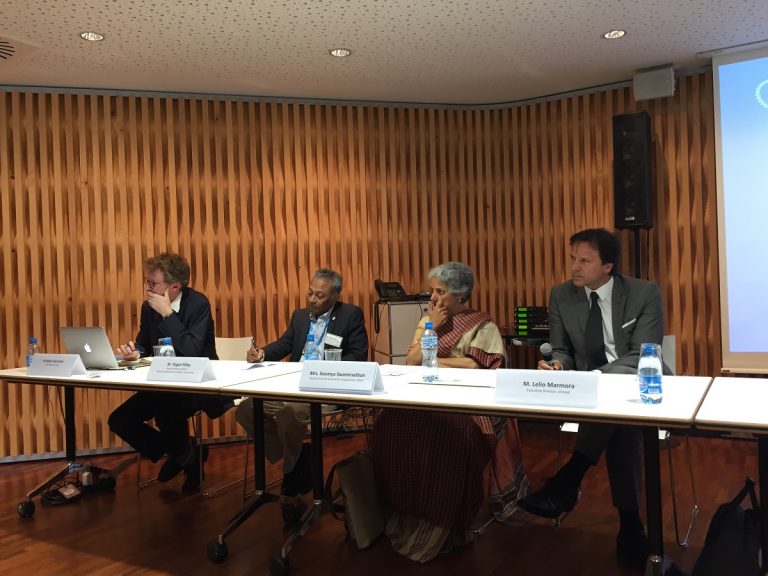
The World Intellectual Property Organization's main financial resource is from the global patent treaty it manages, allowing inventors to file international patent applications and gain protection in a large number of countries. WIPO members have been debating for some time whether universities should benefit from a fee reduction, in particular those from developing countries to encourage patent filing. A workshop held at WIPO this week pondered whether a fee reduction would lead to more patenting of inventions by universities. The answer is apparently not clear-cut.

The Myth Behind Health And Trade Agreements – Q&A With Othoman Mellouk

Dr Othoman Mellouk is a Moroccan treatment advocate who has been working on intellectual property and access to medicines for more than a decade. He is the Intellectual Property and Access to Medicines Lead at the international treatment preparedness coalition (ITPC), a global network of people living with HIV and their advocates working together to achieve access to HIV and Viral Hepatitis and a member of the WHO Strategic and Technical Advisory Committee on HIV and Hepatitis. Dr Mellouk started off in the Association for the Fight against AIDS which has been at the forefront of the response to HIV in Morocco and the introduction of the first anti-HIV generic medicines in the country. In a series supported by the Make Medicines Affordable organisation, Mellouk recently engaged in an interview with Patralekha Chatterjee for Intellectual Property Watch. [Note: this interview is one of two. An interview with Carlos Correa will follow.]

Deference, Not Delegation! – WIPO PCT Negotiations

A new PCT Proposal seeks to amend the PCT Regulations so as to provide Member States to enter into a voluntary or opt-in arrangement that would allow such Member state to ‘outsource’ it’s patenting mechanism to another country/ regional treaty office even if it is not a member of such regional treaty. However, a patenting office with a full-fledged examination cadre acts a core component in capacity building for the Member State and serves to protect against imposition of TRIPs plus provisions by being an active part of the national policy discourse. Instead of opting in for full-fledged ‘outsourcing’ of their patenting function, it may be a better idea (in the long term) to develop their internal patent office cadre, develop appropriate IP policies best suited to their stage of development and at the same time, giving deference to the patenting decisions of like-minded countries. Developing countries will stand to benefit more by showing deference to decisions of like countries, rather than delegating the power to make those decisions. By granting a Contracting state the power to grant and reject patents of another State, this proposal could tantamount to introducing substantive patent law provisions through the backdoor: an endeavour to harmonize substantive patent law that the WIPO has failed to achieve over the years.

Opportunities, Risks Of Rapid Technological Change Discussed At UN

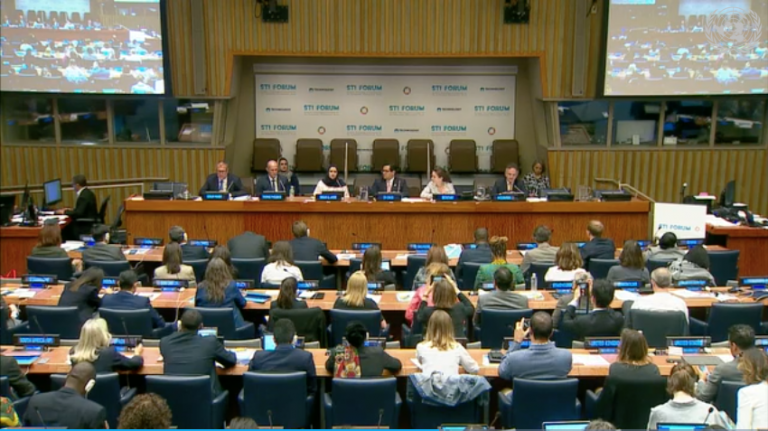
The Third annual United Nations Multi-stakeholder Forum on Science, Technology and Innovation for the Sustainable Development Goals opened with Marie Chatardová, president of the Economic and Social Council, stating that “STI is shaping the trajectory of our society, helping the world address global challenges and achieve Sustainable Development Goals.”

TRIPS Council Debates IP Improving Lives, Competition Law To Increase Medicines Access

Whether intellectual property rights are improving lives or whether they should be reined in by tools such as competition law to increase access to medicine, education, and innovation, was debated this week at the World Trade Organization committee on intellectual property. Also on the agenda was a suggestion by least-developed countries to create incentives for developed country companies and institutions to transfer technologies for the benefit of the poorest countries.

IP Rights Through Two Lenses At Next Week’s TRIPS Council: Improving Lives, Competition Law

Next week, the World Trade Organization intellectual property committee is invited to discuss two distinct aspects of intellectual property protection. One group of countries is proposing to explore the value of IP and its role in improving lives in a persistent agenda item on IP and innovation. Another group of countries is pushing for a more recent agenda on IP and the public interest and next week is suggesting to discuss how to use competition laws against the abuse of IP rights.

MPP Board Gives Green Light To Expansion, Now Has To Identify Candidates

The Medicines Patent Pool announced this week that its Board agreed on the extension of the MPP mandate to patented medicines on the World Health Organization Essential Medicines List. The decision follows an extensive feasibility study. During a side event held on the margins of the annual World Health Assembly, Patent Pool officials explained the findings of the study, while in the audience, a representative of the pharmaceutical industry suggested a cautious approach.

South Africa Approves New IP Policy, With Guidance From UN Agencies

It took nine years of policy development, two different draft policies and various rounds of public consultation, to finally see Cabinet give the nod to the new Intellectual Property (IP) policy in South Africa.

Global Health Policymakers Take Action To Improve Access To Assistive Products

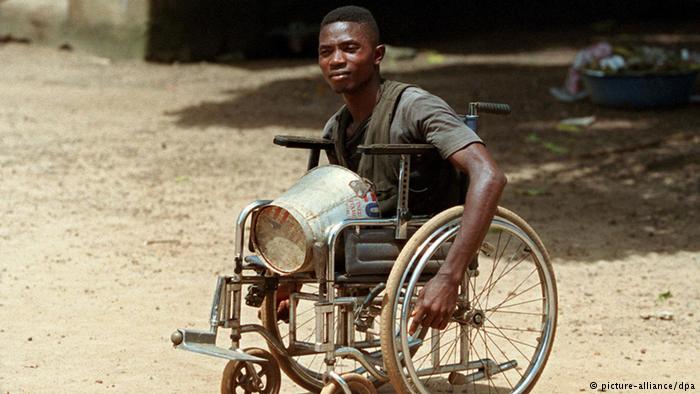
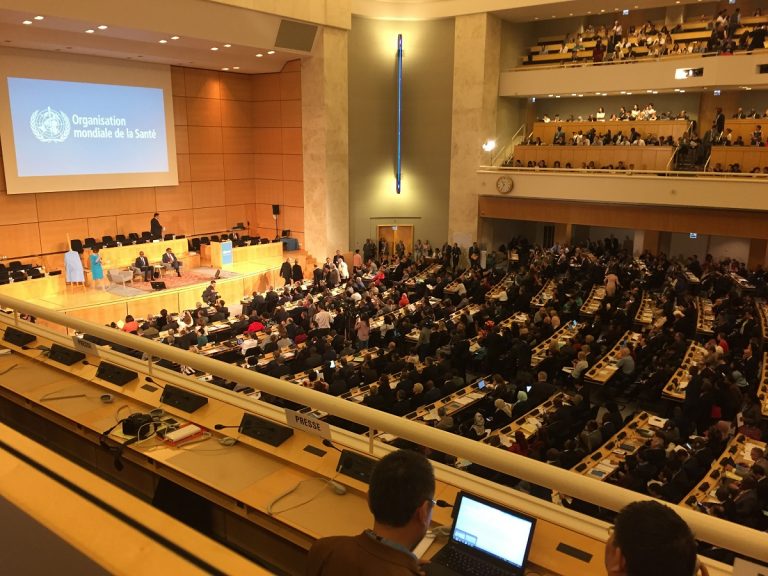
Some 90 percent of people in the world who need assistive technology – such as glasses, walkers, or hearing aids - cannot access it, with the worst deficiency in developing countries. Today, World Health Organization members agreed on a resolution to improve access to those technologies, with overwhelming support. The WHO is instructed to provide support to countries and prepare a global report by 2021. Member states are requested to promote innovation and find ways to reduce prices.

WHA Agrees On Recommendations To Reinvigorate Plan Of Action To Boost R&D, Access

Ten years after the adoption of a World Health Organization plan of action meant to stimulate innovation for diseases that disproportionately affect developing countries, and with very little to show for it since, delegates at the World Health Assembly this week agreed to a number of recommendations to reinvigorate the effort. How to finance the implementation of those recommendations, however, is unclear.