Category Technical Cooperation/ Technology Transfer

Civil Society And TRIPS Flexibilities Series – Translations Now Available

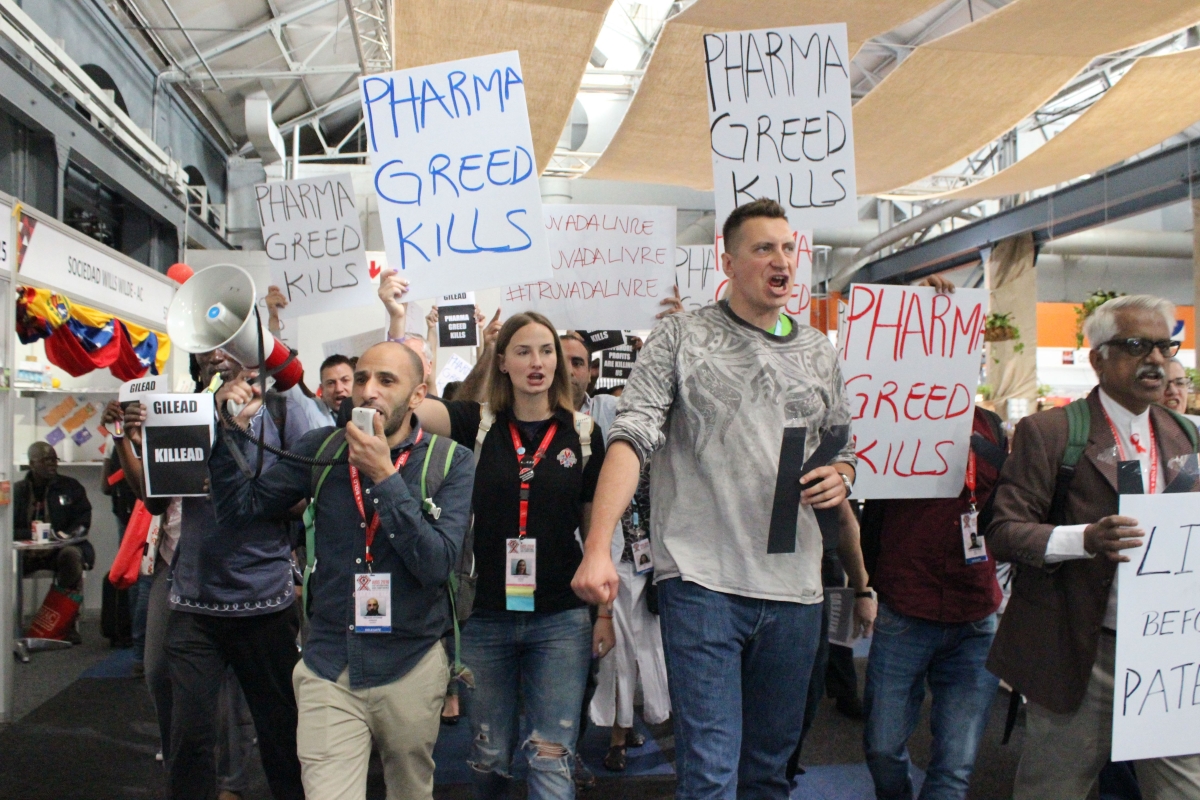
Patients around the world, in developing and developed countries, are encountering barriers to access to affordable medical products, in part due to patents and resulting high prices. This is occurring despite longstanding protections built into international trade rules to allow smaller economies to act on behalf of their people and make such medical products available regardless of patents. These protections are often referred to as flexibilities in the 1994 World Trade Organization Agreement on Trade-Related Aspects of Intellectual Property Rights (TRIPS). The prevailing view is that knowledge, understanding and use of them remains limited among policymakers and many potential beneficiaries, even as patent-strong nations and their industries work to narrow the reach and ability to use these flexibilities. In the face of this, global civil society in recent years have increasingly begun work to change the direction of this trend, with the ultimate goal of helping people everywhere - but particularly poor populations - obtain drugs they need that exist but are out of their reach. Now, the series of Intellectual Property Watch stories on this subject sponsored by Make Medicines Affordable have been translated into five languages.

Conceptualizing Minimum Core Beyond Affordable Goods And Services – Trade For Human Rights As A Minimum Core Obligation

Prof. Sakiko Fukuda-Parr writes: The conception of the Minimum Core Doctrine around low cost goods and services is unnecessarily restrictive. It is also out of line with concerns to meet pressing and priority health needs of the population. It departs from the original concept of obligations of immediate effect. It limits the consideration of the wide range of measures that national governments should take to expand the enjoyment of the right to health such as by reversing damaging policies or setting new ones. A salient example is policy choices governments might make in the area of intellectual protection provisions in free trade and investment agreements.

UN Political Declaration On TB Finalised: No Commitment To TRIPS Flexibilities

Members of the United Nations concluded negotiations on the draft of the Political Declaration on the Fight Against Tuberculosis on 20 July. After weeks of heated negotiations over the inclusion of references to TRIPS flexibilities in the operative paragraphs, with the Group of 77 pushing for inclusion and the United States against it, the final text of the political declaration reflects the deadlock of these positions. Due to the inability of member states to reach agreement, the final text does not include substantive reference to TRIPS flexibilities.

If no countries object, this final draft of the Political Declaration on TB will be adopted by the General Assembly at the High-Level Meeting on Tuberculosis, which will take place on 26 September at the United Nations in New York, and will serve as the authoritative agreement from which action plans will be drawn. According to sources, countries have until tonight in New York to decide whether to object, and G77 nations are considering their options.

Global Innovation Divide: Can Investment In Innovation Bridge The Gap?

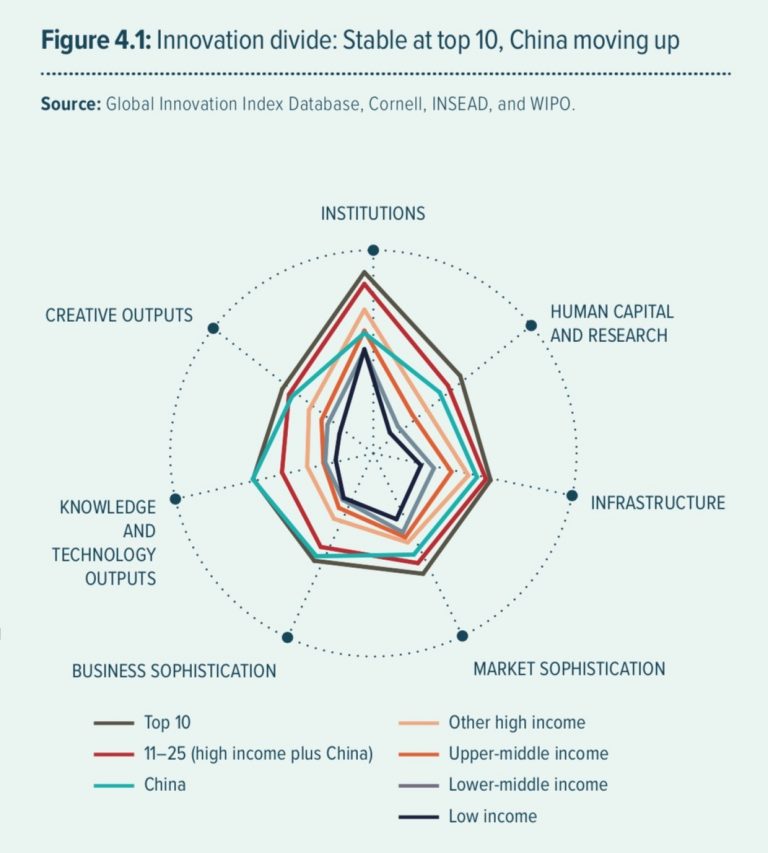
The Global Innovation Index 2018, launched on 10 July in New York, has lauded the rise of China as a model for how other low and middle-income economies can advance on innovation. Amid this optimism, however, the global innovation divide remains in step with the global income divide, raising questions for how to bridge this gap. The new index shows signs of progress.

UN Launches High-Level Panel On Digital Cooperation, Led By Melinda Gates And Jack Ma

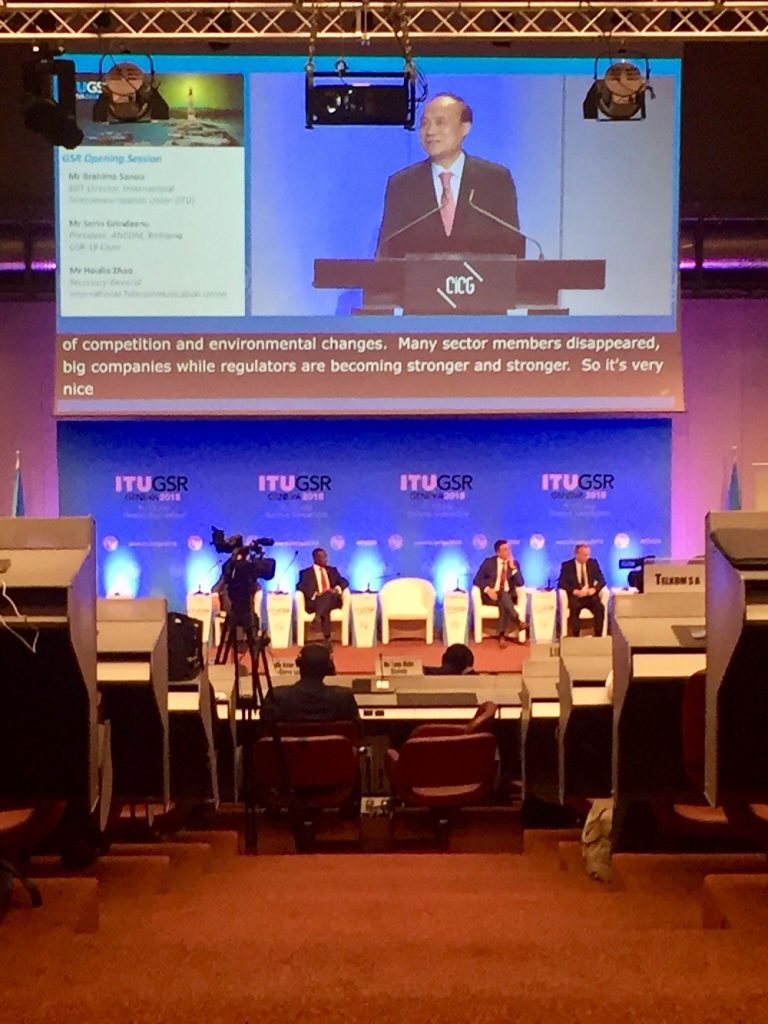
The United Nations today announced it has launched a high-level panel on digital cooperation, co-chaired by Melinda Gates (wife of Bill Gates of software titan Microsoft), and Jack Ma, head of China's e-commerce titan Alibaba Group. The 20-member panel will "identify policy, research and information gaps, and make proposals to strengthen international cooperation in the digital space," according to a release.

Global Innovation Index 2018: China Breaks Into Top 20, US Drops Out Of Top 5

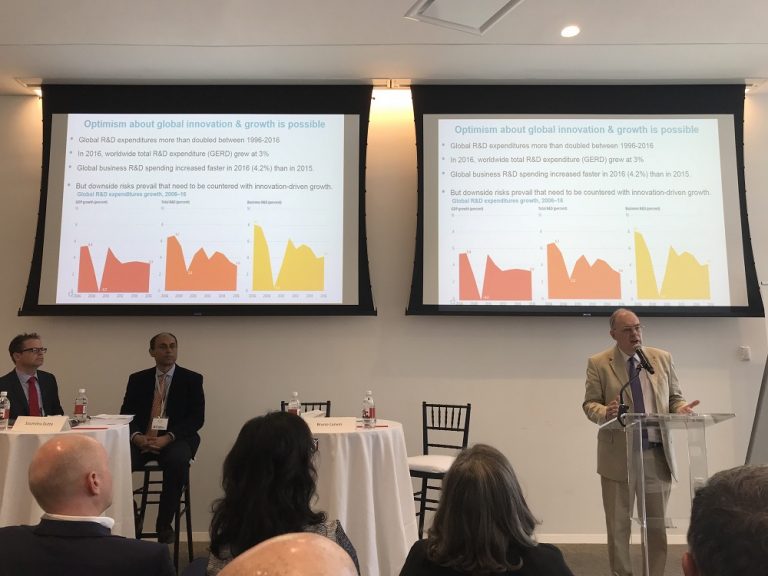
NEW YORK -- The 11th edition of the Global Innovation Index 2018 (GII), co-published by Cornell University, INSEAD, and the World Intellectual Property Organization, was released yesterday at a launch event in New York. This year's report showed Switzerland still at the top overall, China continuing to rise, the United States slipping, and explored how countries can vary on inputs and outputs of innovation.

Monopolies: State And Corporate Interests Surrounding Access To Medicines

Amongst the many issues faced by developing countries to ensure access to medicines, cost is a primary one. Proposals to tackle it include limiting the price and regulating competitive conditions. Monopolies created by patents are seen by many as an impediment to accessing basic healthcare. Meanwhile, countries have realised that imposing stringent criteria for granting patents and taking a long duration to process them could be detrimental to them as much as resisting the regime.