Category Technical Cooperation/ Technology Transfer

EU Eyes Revamp Of Policy To Speed Drug Approvals In Developing Countries
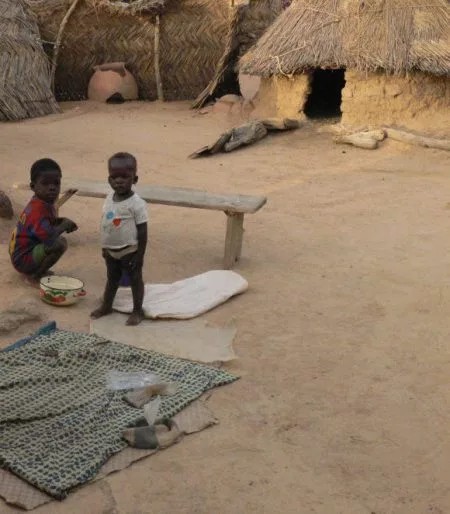
Article 58, a process introduced by the European Commission to help speed up the time low and middle-income countries take to approve new drugs, could be in for a massive overhaul. A revamp has been proposed because it is underused - just a handful of products have gone through the Article 58 process since its launch in 2004. The most recent is an antiseptic chlorhexidine gel that prevents new-born umbilical cord infections in developing countries. A joint project between GSK and Save the Children, it was approved late last month.
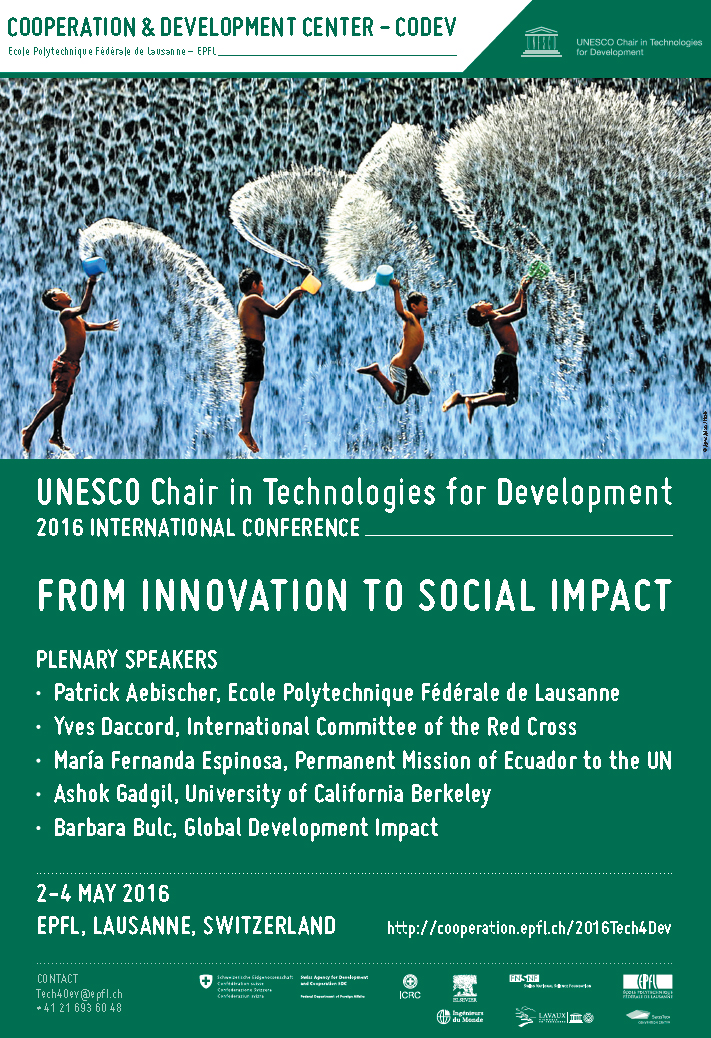
Tech4Dev Conference: Translating Innovation Into Social Impact

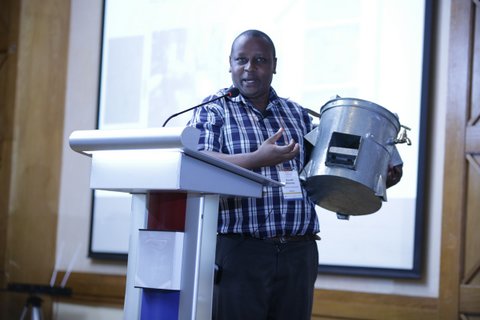
New technologies are of limited value if they are not accessible. Thus the crucial challenge lies not only in promoting innovation, but in translating innovation into social impact. This was the theme of the fourth Conference on Technologies for Development (“Tech4Dev”).

As Patients Wait, WHO Members Chip Away At Decision On Medical R&D Funding

A number of World Health Organization member states attended a meeting last week aimed finding ways to sustainably finance research and development for medical products, especially those for poor populations lacking means to pay high prices. According to the outcome document and a WHO official, they heard many viewpoints from experts and made progress but much was left for the World Health Assembly later this month.

Africa Should Speed Formation Of Pan-African IP Body, UN Report Says

NAIROBI, KENYA -- A recent report by the United Nations Economic Commission for Africa (UNECA) is calling for faster establishment of a Pan-African Intellectual Property Organisation (PAIPO) to bring about what it sees as badly needed IP policy coherence on the continent.

WSIS Forum: Support For General Assembly Decisions On Internet Governance

Support from information and communication technology for implementation of the United Nations Sustainable Development Goals 2030 is the programmatic topic of the first post-WSIS+10 edition of the World Summit Information Society Forum (WSIS Forum), taking place this week.

MSF Issues In-Depth Report On R&D And Drug Prices

Médecins Sans Frontières (MSF, Doctor Without Borders) today announced a report detailing what it calls failings in the current system for developing new drugs in ways that all patients can afford and access, and providing proposed policy options for addressing the problems.

Plant Variety Protection To Meet Food Security Plant Treaty, But Where Are Farmers’ Rights?

A planned symposium to identify potential interrelations between the International Union for the Protection of New Varieties of Plants (UPOV), and the United Nations International Plant Treaty is raising concerns from civil society about farmers’ rights.

Industrial Design Draft Treaty Does Not Make It To Last Mile At WIPO

Designers wanting to protect their industrial designs at the international level will have to wait some more before the application procedures can be harmonised after hopes to breach differences on a draft treaty were dampened yesterday at the World Intellectual Property Organization.

Why We Celebrated World Intellectual Property Day 2016

Corey Salsberg writes: Yesterday was World Intellectual Property Day. April 26 is the day we celebrate and call attention to the global intellectual property (IP) system. Why do we set aside a day for the entire world to stop and reflect on a subject that, for many, may seem more at home in board rooms, lecture halls, and legislatures, than in cafes, farms, and internet blogs?

WIPO Members Urged To Overcome Differences On Disclosure Of Origin Of Designs

This week, World Intellectual Property Organization delegates are being urged to come closer on remaining issues in a potential treaty facilitating the registration of industrial designs for international applicants. This is easier said than done, though, as a number of WIPO members request that the treaty allows countries to request applicants to disclose the source of their designs, and other countries find this would defy the harmonising aim of the treaty.