3P Project Enables Radical Change In R&D For TB Treatment
A new project that stimulates the development of affordable and effective drug regimens to treat tuberculosis (TB) is catching notice in policy circles.

Original news and analysis on international IP policy
A new project that stimulates the development of affordable and effective drug regimens to treat tuberculosis (TB) is catching notice in policy circles.
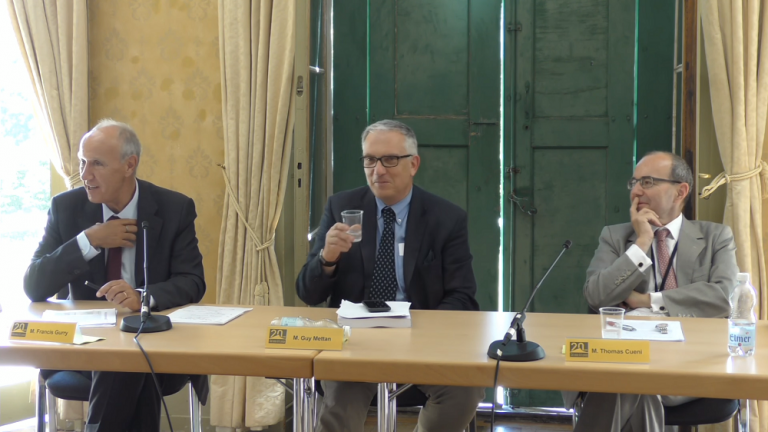
The main winners of innovation are technologies that enable market application, with gene editing and artificial intelligence as two examples, Francis Gurry, director general of the World Intellectual Property Organization, told a panel discussion last week. Thomas Cueni, director general of the International Federation of Pharmaceutical Manufacturers & Associations (IFPMA), said at the same event that everybody benefits from innovation.
Access to affordable and quality medicines for all is one of the major commitments of the World Health Organization, and its new medicines and health products strategic framework for the next 15 years calls for new research and development (R&D) models, including delinkage of the R&D costs from the price of products, and fair pricing.
On 9 May 2017, a five year court battle between publishers and universities finally came to an end when the Supreme Court of India dismissed an appeal by the Indian Reprographic Rights Organization (IRRO) challenging an earlier judgment of Delhi High Court that ruled course packs in India legal for educational purposes.
In a case that gained wide international attention, issues such as the cost of textbooks in India were raised, students agitated for fair access to educational materials, and the jurisprudence on copyright in India has taken a leap forward. In this guest blog, Anubha Sinha, Programme Officer on Openness and Access to Knowledge at the Centre for Internet and Society India, discusses the judgment in the case known as the ‘Delhi University photocopy’ case, and what it means for access to educational materials in India.
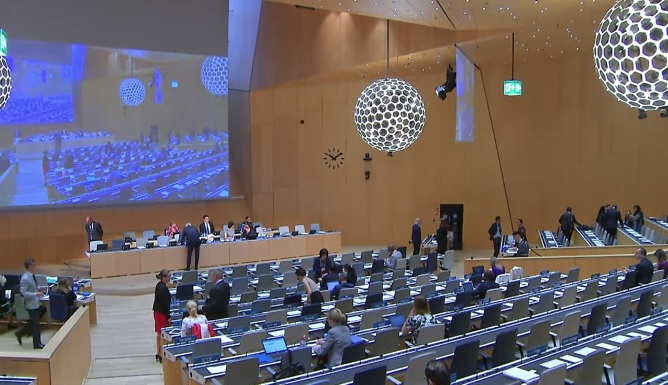
The World Intellectual Property Organization members this week have discussed the first draft of the budget of the organisation for the biennium 2018/2019. Questions have been asked about how WIPO is contributing to the United Nations Sustainable Development Goals, how much WIPO committees and external offices will cost, and how WIPO can help developing countries increase their IP development.
A new book being launched in Geneva next week reflects the growing recognition that the World Trade Organization Agreement on Trade-Related Aspects of Intellectual Property Rights (TRIPS) could play a more important role in the mitigation of climate change, according to the programme of the book launch.

The G20 governments against some odds passed a joint communique today, but had to accept differences on climate and in one point also on free trade. The US delegation remained firm in their decision to withdraw from the Paris climate agreement and continue to support conventional energy resources, instead of renewable ones. German Chancellor Angela Merkel in her press conference explained that there was a clear division in the climate chapter of the G20 2017 Declaration.

At the G20 meeting in Hamburg today, the German hosts chose a retreat over the fight against terrorism as a warm-up, before turning to the controversial topics of free trade and climate change. Governments were very much in agreement when it comes to one thing: Internet platform providers must do more to fight radicalization and the use of the internet by terrorists.

On the eve of the G20 meeting in Hamburg, Germany, German politicians described positions on free trade and climate as the most difficult issues. Expectations from civil society groups in the G20 results are modest at best and the 6 July protest march “Welcome to Hell” was cancelled after clashes between the police and parts of the protestors.
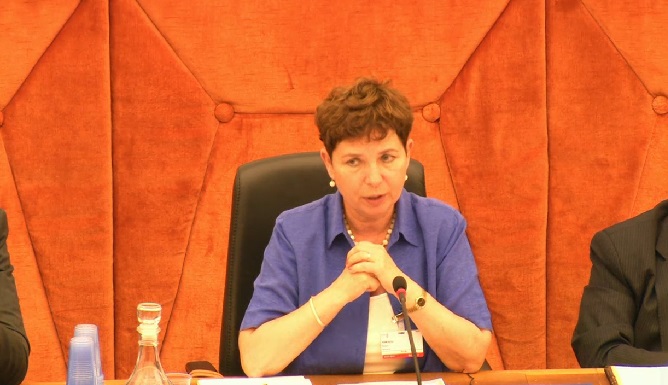
General satisfaction was expressed today at the World Intellectual Property Organization as members of the patent law committee agreed on a future work programme. That is an exercise that they could not complete in December 2016. Included in the work programme is a half-day information exchange on cooperation between patent offices on search and examination, a half-day information exchange on publicly accessible databases on medicines and patent information, and a reference document on exceptions and limitations to patent rights.