Category Technical Cooperation/ Technology Transfer

Informal And Formal Seed Systems, Usually Enemies, Can It Be Otherwise?

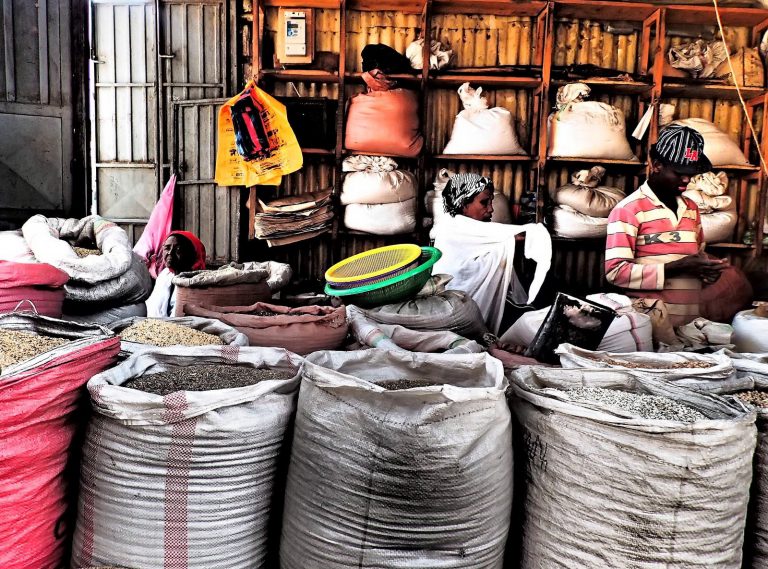
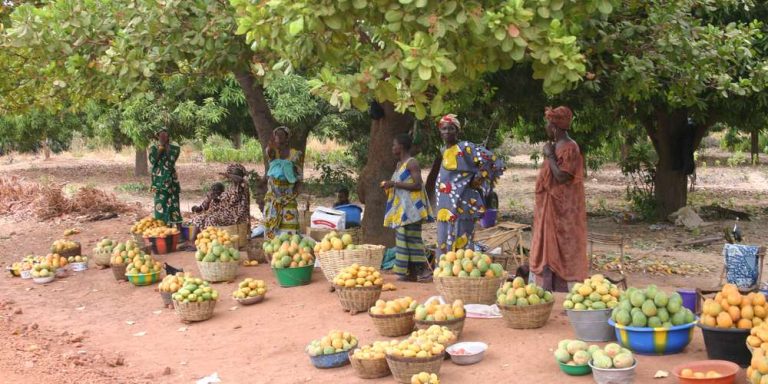
Can the farmer seed system most widely used in the world, and the system of seeds produced by plant breeders certified and protected by intellectual property rights, be complementary? The question was addressed during a recent webinar organised by the Global Forum on Agricultural Research, with no easy answers. In particular, speakers mentioned several challenges, including the lack of a common agreement on what are farmers' rights, and the inability for small farmers to register their seeds so they are protected, in particular against biopiracy.

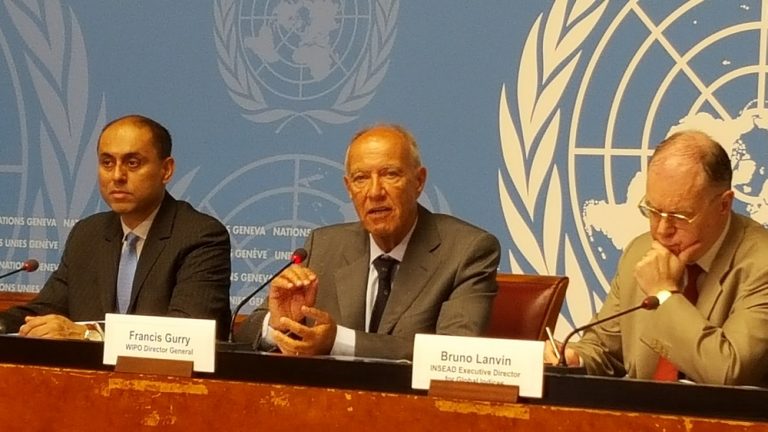
TRIPS Council Members: Defining IP Rights And The Public Interest

"Political and economic pressure placed on governments to forgo the use of TRIPS flexibilities violates the integrity and legitimacy of the system of legal duties and rights created by the TRIPS agreement and as reaffirmed by the Doha Declaration," India told a World Trade Organization committee this week, referring to the WTO Agreement on Trade-Related Aspects of Intellectual Property Rights (TRIPS).

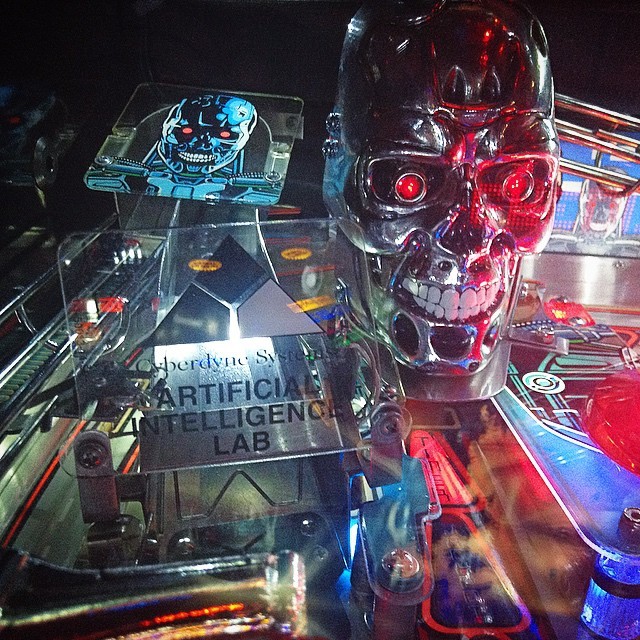
Stakeholders Collectively Designing Future Of Artificial Intelligence

Designing a world where humans have to share space with robots is not an easy task. Several initiatives are looking at ways to address issues linked to the main fuel of artificial intelligence: data. Such issues include privacy, data ownership and sharing, but also making sure that artificial intelligence will not widen the existing digital divide. Speakers at a global summit last week provided insight on ongoing efforts to understand and best tackle the inevitable and sometimes unforeseen problems of this new territory.

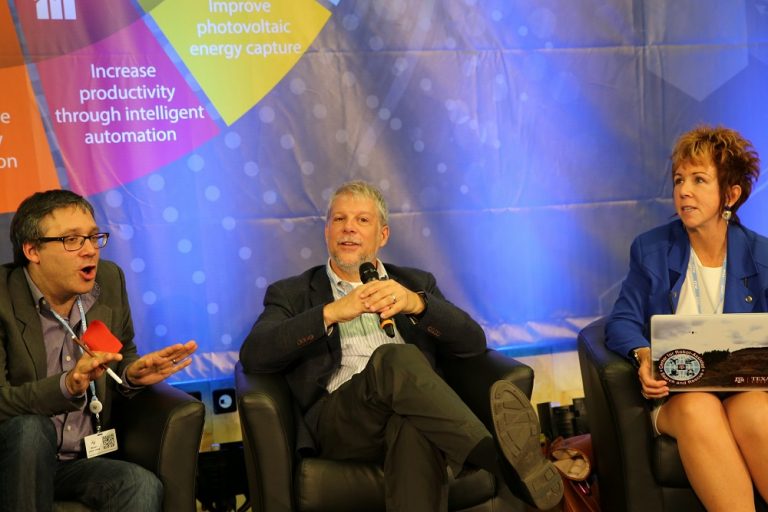
At WIPO, Water Entrepreneurs Meet Investors

Entrepreneurs with innovative water technologies came to the World Intellectual Property Organization last week to find new partnerships and investors. The urgent need to work together and build partnerships in the water sector was the overall message of the event. “Nobody can do the work alone,” Nicholas Niggli, Republic & State of Geneva's Director General, Economic Development, Research & Innovation, said, referring to the many existing water challenges.

US Supreme Court Adopts International Exhaustion Of Patents (Part II): Addressing the New Competitive Landscape

Frederick M. Abbott writes: The US Supreme Court has created a new competitive landscape with its decision adopting international exhaustion of patents. For the pharmaceutical sector, we can expect an initial period of uncertainty as the US Food and Drug Administration (FDA) assesses the regulatory framework affected by the decision and as competing stakeholders advance their interests. In an earlier Inside Views contribution, I addressed the principal impact of the decision on the US pharmaceuticals market: downward pricing pressure.[1] This follow-on addresses some of the regulatory and access issues affected by the decision, observing that parallel trade in pharmaceutical products is a long-standing practice, that recently introduced US legislative proposals may shape the regulatory framework in the United States, and concluding with ways that access programs in favor of developing countries are protected.