Category Technical Cooperation/ Technology Transfer

New Policies On Technology Transfer In China: Granting More Autonomy To Universities

According to a recent circular released by the Chinese ministries of education, and science and technology, universities established by the state have autonomy in technology transfer (see the original news here). Unless the scientific and technological achievements concern national security, national interests, and major public interests, it is unnecessary to report to the ministry of finance or management department. All income gained from the technology transfer belongs to the universities.


The New Caribbean Patent Convention And Caricom Stasis

Abiola Inniss writes: The creation of the Caribbean Patent Convention under the auspices of Caricom is a long awaited and most welcome development towards the harmonization of intellectual property laws in the region. Even more importantly, it is an indication that Caricom leadership has at long last, after a lengthy period of stagnation and indeterminacy, finally decided to engage the process of thought and action necessary for the promulgation of a legal and regulatory framework for Caribbean intellectual property. The convention is expected to be enacted later in 2017.

WHO-Led Efforts To Boost R&D In Neglected Diseases Jeopardised By Funding Gap

Finding resources to fund research and development for diseases primarily affecting developing and least-developed countries is a continuous challenge. Hopes were raised in 2015 with projects to launch a Global Observatory on Health Research and Development, and a voluntary pooled fund for research and development projects. However, the lack of funding is jeopardizing those initiatives despite some contributions by developed and middle-income countries.

Antimicrobial Resistance At WHO: Accelerating National Plans, Ensuring Accessibility

The rising threat of “super bugs,” bacteria resistant to existing antibiotics, was in discussion at the World Health Organization this week. Concerns were voiced about the slow pace of national action plan implementation to improve the careful use of antibiotics. Meanwhile some developing countries and civil society called for priority to be given to accessibility and affordability to new antibiotics.

WHO Fine-Tunes Work On Epidemics In Debates On IHRs, R&D Blueprint

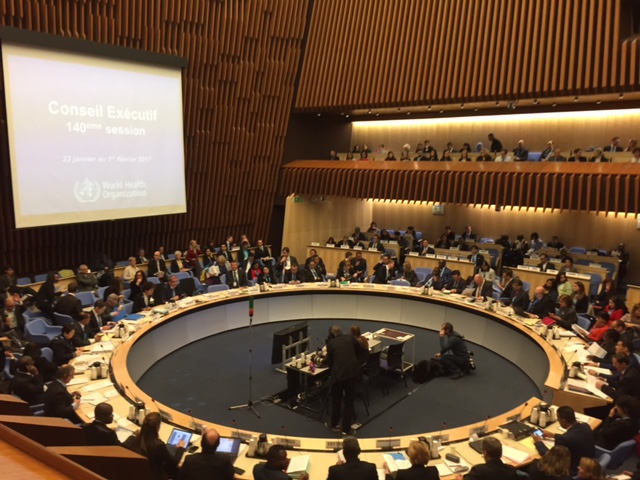
The Ebola outbreak spurred actions from the World Health Organization in terms of how to deal with emergencies and also getting medicines and vaccines to patients in emergency situations. The secretariat presented an implementation plan for the International Health Regulations, and a report on its recent blueprint on research and development for potentially epidemic diseases at its Executive Board meeting this week. The United States sought to limit the scope of WHO's work on R&D in this context.

It’s Official: TRIPS Health Amendment In Effect, First Ever To A WTO Agreement

More than a decade after World Trade Organization member states approved the first-ever legal amendment to a WTO agreement, the change to the international intellectual property agreement has entered into effect. Five more members ratified the amendment in recent days, bringing supporters over the minimum needed to put into effect the amendment aimed at boosting exports of medical products made under compulsory licence.

WHO Board: UN Report On Medicines Too Hot; DG Candidates To Be Narrowed

At the opening of the World Health Organization Executive Board meeting today, a call by India for an agenda item on the report of the United Nations Secretary-General’s High-Level Panel on Access to Medicines was denied. Meanwhile, WHO’s director general underlined the success of the organisation over the last year, including new financing arrangements with industry groups to finance the WHO Prequalification Programme. But all eyes are riveted to the election process for the new WHO director general, as three out of the six candidates are expected to be short-listed this week.

Achieving SDG Health Targets Using ‘The Vital Role Of Law’

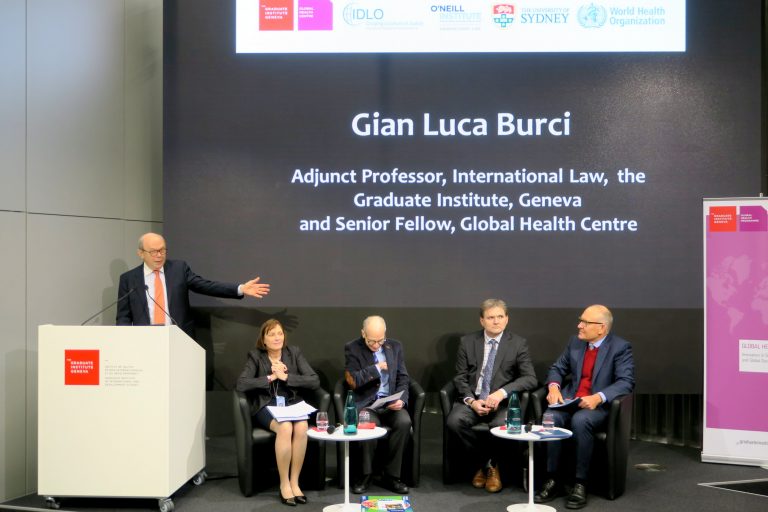
Effective laws, including those around intellectual property rights, and an enabling legal environment, are as essential to a healthy society as clean water, a group made up of a representative of the World Health Organization, academics and a legal expert for a civil society group, have asserted while launching a key report.

ARIPO Lines Up IP Enhancing Activities For 2017

CAPE TOWN, South Africa – From establishing training schemes, exchange expertise, sharing research, and helping members acquire and develop technology related to intellectual property and shape copyright associated rights, the African Regional Intellectual Property Organization (ARIPO) has set targets for implementation in 2017.