Category IP Law

As Questions Mount Over Future Of IP, Geneva A ‘Particular’ Place For Global Dialogue

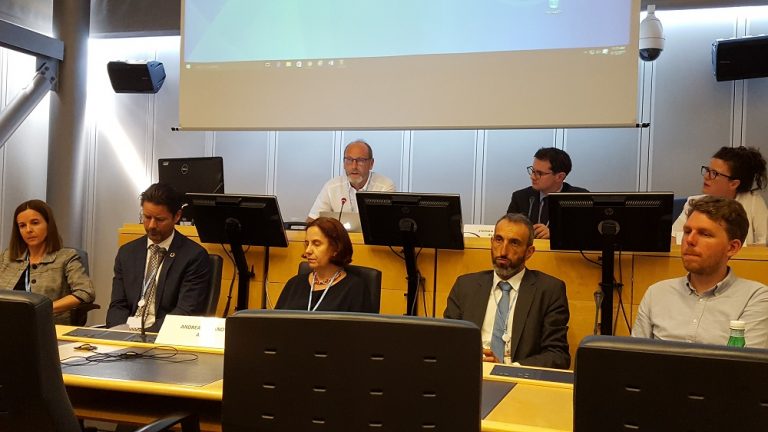
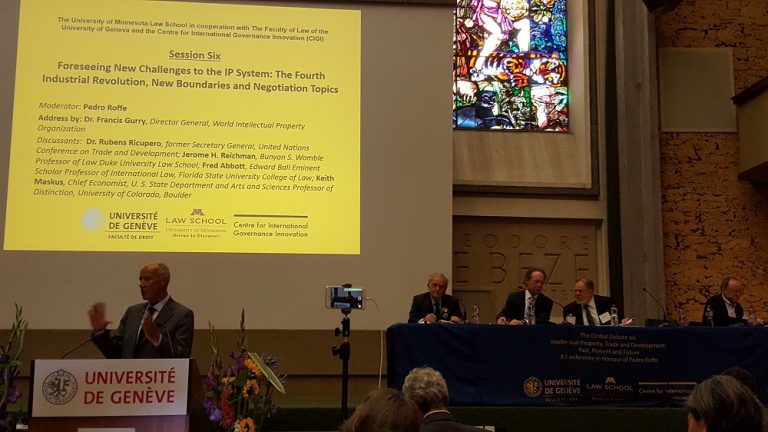
There are still many unanswered questions about intellectual property rights, speakers said during an academic conference last week in Geneva. Think tank analyst and author Pedro Roffe, who was the focal point of the conference, said at the event that there is “particularly in Geneva” place for dialogue about “very important and emerging” IP questions.

Open Access Policy In International Organisations

Open access is “part of the DNA” of international intergovernmental organisations, Charlotte Beauchamp, head of editorial and design at the World Intellectual Property Organization, said during a workshop last week. Representatives of different international organisations described during the workshop the increasing use of an open access policy by their organisations.

US Supreme Court Adopts International Exhaustion Of Patents (Part II): Addressing the New Competitive Landscape

Frederick M. Abbott writes: The US Supreme Court has created a new competitive landscape with its decision adopting international exhaustion of patents. For the pharmaceutical sector, we can expect an initial period of uncertainty as the US Food and Drug Administration (FDA) assesses the regulatory framework affected by the decision and as competing stakeholders advance their interests. In an earlier Inside Views contribution, I addressed the principal impact of the decision on the US pharmaceuticals market: downward pricing pressure.[1] This follow-on addresses some of the regulatory and access issues affected by the decision, observing that parallel trade in pharmaceutical products is a long-standing practice, that recently introduced US legislative proposals may shape the regulatory framework in the United States, and concluding with ways that access programs in favor of developing countries are protected.

US Ends Post-Sale Patent Rights

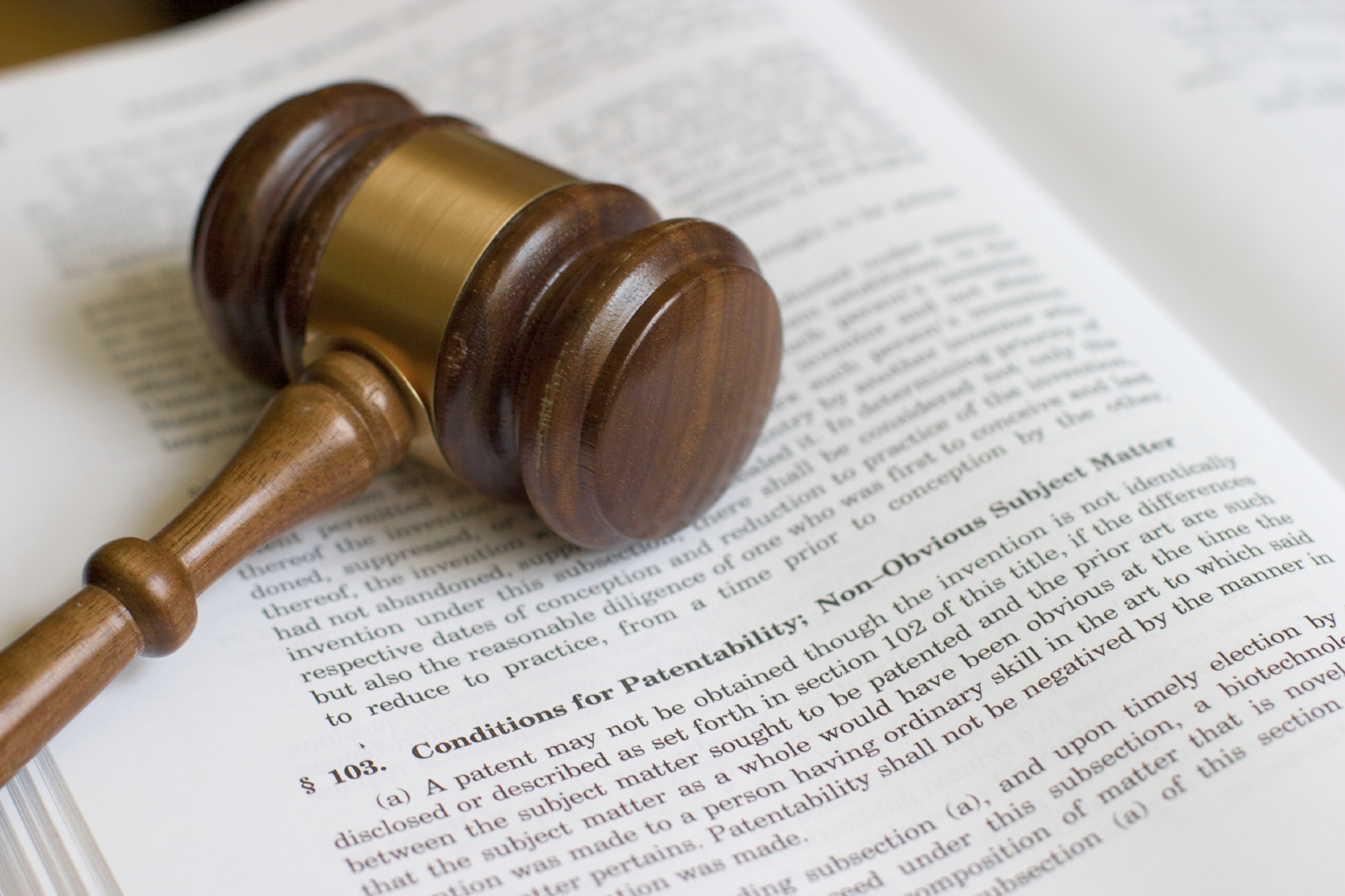
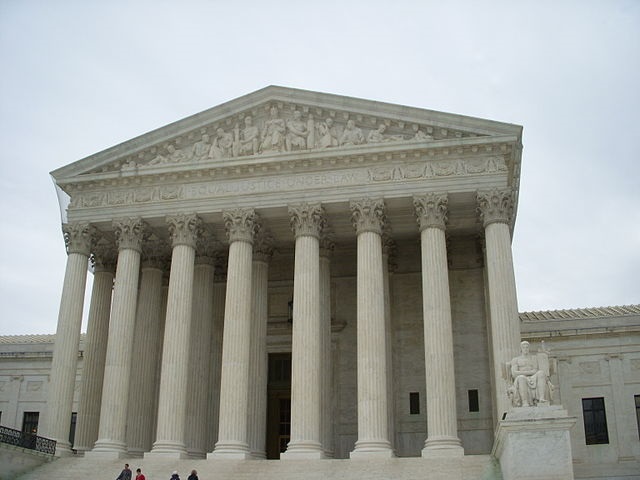
On 30 May, the US Supreme Court handed down yet another in a long series of rulings that cut back on the rights of patent owners. This time, the high court made it far more difficult for patentees to impose post-sale restrictions on the use or resale of their patented goods. The ruling should boost parallel imports into the US, increase competition throughout the American economy, lower prices for US consumers, and hurt the bottom line of many companies.

REGISTER NOW! The Global Debate On Intellectual Property, Trade And Development: Past, Present and Future

The Global Debate on Intellectual Property, Trade and Development: Past, Present and Future
A Conference in Honour of Pedro Roffe

US Supreme Court Adopts International Exhaustion For Patents: Paving the way for parallel imports to exert downward pressure on domestic pharmaceutical (and other) prices

Frederick M. Abbott writes: The Supreme Court of the United States on May 30, 2017 adopted a rule of international exhaustion of patent rights for the United States in Impression Products v. Lexmark International, No. 15-1189. The near-unanimous decision authored by Chief Justice Roberts is unambiguous and unequivocal.[1] The Court paid short shrift to contrary decisions of the Court of Appeals for the Federal Circuit in Jazz Photo Corp. v. International Trade Commission, 264 F. 3d 1094 (Fed. Cir. 2001) and in this case on certiorari, Lexmark International v. Impression Products, 816 F.3d 721 (Fed. Cir. 2016).

In addition to adopting international exhaustion, the Supreme Court ruled firmly against enforcement of post-sale restrictions through infringement actions based on patent. The Court allowed for enforcement under contract law of limitations that may be included in patent licenses.

US Supreme Court Puts New Limits On Patent Suits

Yesterday’s United States Supreme Court decision in TC Heartland LLC v. Kraft Food Brands Group followed some familiar trends in Supreme Court jurisprudence. It overturned long-established Federal Circuit law, restricted the power of patent owners, and handed a stinging defeat to so-called “patent trolls” (companies that make money primarily by licensing their patents and suing those who refuse to purchase licenses). The Court did all this by limiting where patent infringement suits can be filed – and thus significantly changing patent litigation in the US.

Investor-State Provisions Mean EU Cannot Conclude Singapore Trade Deal Alone, EU Court Says

The European Union free trade agreement with Singapore cannot be concluded by the European Union alone, at least not in its current form, according to an opinion (2/2015, ECLI:EU:C:2016:992) handed down by the European Court of Justice in Luxemburg earlier today.