Category Innovation/ R&D

German-Backed Report Lays Out Strategy For R&D Into New Antibiotics
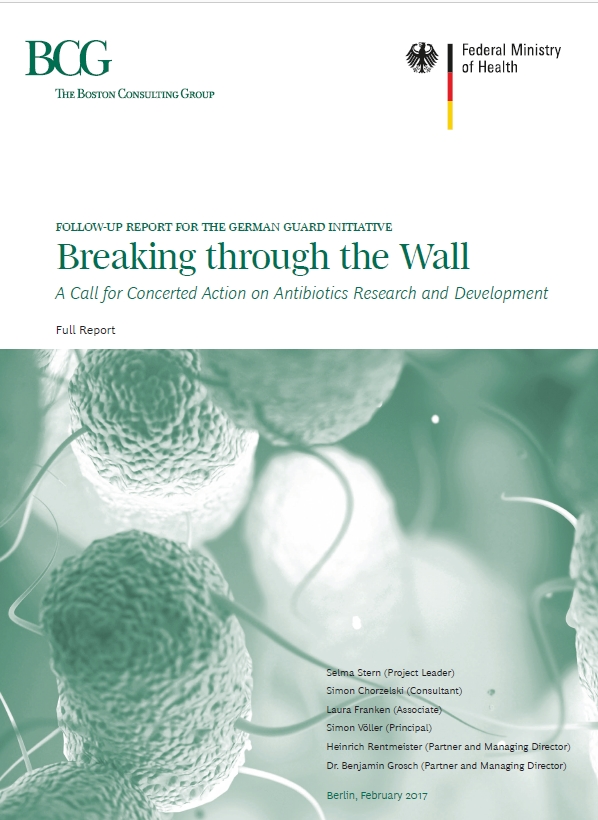
In the face of the lack of attractiveness of investing in research for new antibiotics for the pharmaceutical industry, and the general lack of funding for research and development for novel antibiotics, a new report commissioned by the German Federal Ministry of Health calls for countries to take action. In particular, the report proposes a global union for research and development, a global research fund, and a global launch reward. And access and pricing are key components of the strategy, it says.


Momentum-Building: An Interview With Ruth Dreifuss On High-Level Panel On Access To Medicines

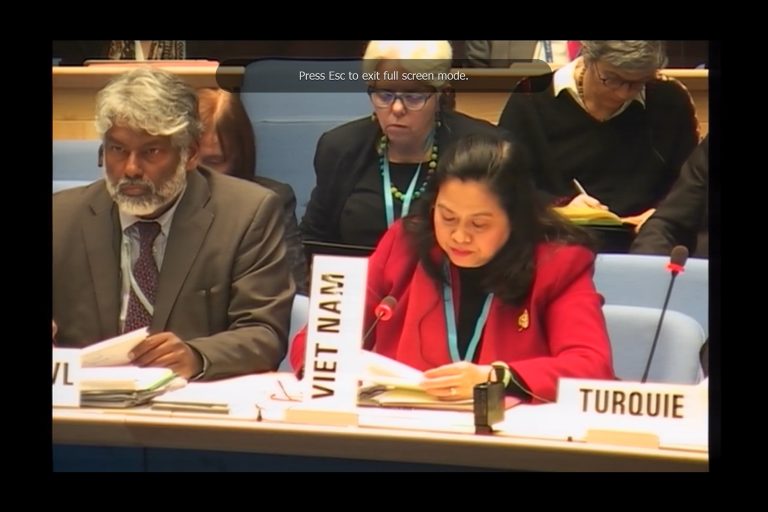
Former Swiss President Ruth Dreifuss, co-chair of the United Nations Secretary General’s High-Level Panel on Access to Medicines, participated in a Geneva event on rare diseases earlier this month. She agreed to answer Intellectual Property Watch’s Catherine Saez about the High-Level Panel report, in particular how it was received by the international community, her take on criticisms that have been voiced, and the importance that the report be discussed at the international level such as the World Health Assembly.

New Gene-Editing Technology Whets Appetites In Health, Food Industry, Fuels Patent Fights

A new discovery allowing easier and swifter genome editing, considered by some as a major game changer in the field of biology, is opening doors to new technological wonders in many areas, such as medicines and agriculture. Yesterday, the United States Patent and Trademark Office issued a ruling on a case where two US university laboratories both claimed the invention of a genome editing technique. The USPTO decided that the two universities had made distinct discoveries. In Europe, patents from both universities on the technology are also challenged at the European Patent Office.

Special Report: WHO Board Sets Review Of 10-Year Effort To Boost Medicines Access, Affordability

Once considered a breakthrough in negotiations to address problems of making cutting-edge medical products and research available to poor countries, the decade-old World Health Organization Global Strategy and Plan of Action on Public Health, Innovation and Intellectual Property (GSPOA) is now undergoing review, with the WHO Executive Board calling for a report on the initiative and plans for its future next year.

Geneva Health Campus: New Home For Global Fund, GAVI, Unitaid In 2018

The construction of a new building to host the Global Fund to Fight AIDS, Tuberculosis and Malaria and other key players in the area of global health is well under way in Geneva. The “Campus Santé” (Health Campus) is expected to open its doors at the beginning of 2018. The hosts of the building will be tenants, while the investment costs are borne by Crédit Suisse, a prominent Swiss investment bank.

Fashion Law – New US/EU Legislation And Retailers: Customer Data And Trademarks

NEW YORK -- The fourth annual Fashion Law Seminar, organised by the Federal Bar Association Intellectual Property Section, presented on new legislation in the United States and European Union, and its potential impact on domestic and transnational retailers.

The Problem With Rare Diseases: R&D Lacking, High Prices, Discrimination, IP Issues

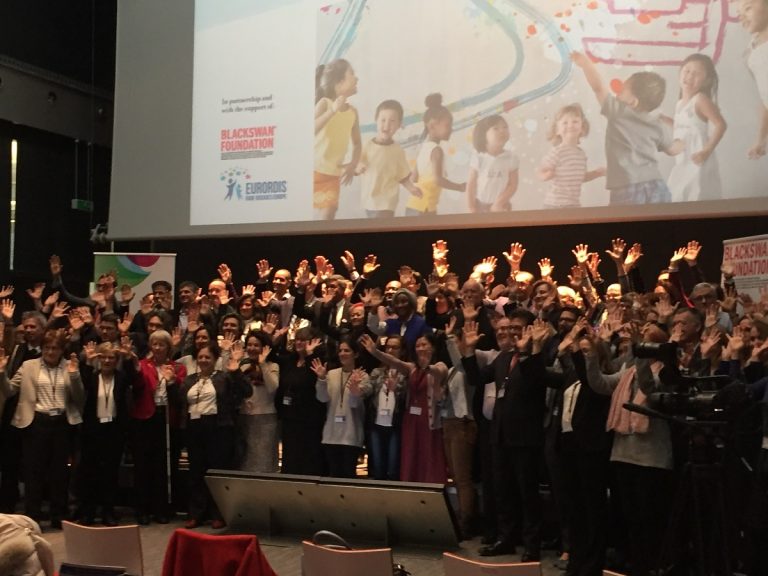
Over 6,000 rare diseases, those affecting very small populations, have been documented in the world. For those affected, treatments are mostly non-existent, and if they do exist, are not affordable. An event last week gathered a number of stakeholders, including rare disease organisations, the World Health Organization and the pharmaceutical industry to discuss the particular issue of rare diseases. The case of rare diseases is an exacerbated example of research, pricing, accessibility and affordability.

New Policies On Technology Transfer In China: Granting More Autonomy To Universities

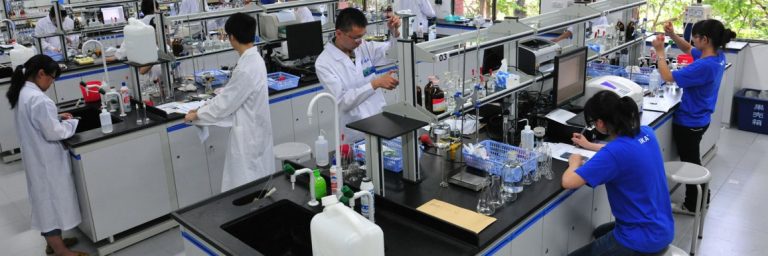
According to a recent circular released by the Chinese ministries of education, and science and technology, universities established by the state have autonomy in technology transfer (see the original news here). Unless the scientific and technological achievements concern national security, national interests, and major public interests, it is unnecessary to report to the ministry of finance or management department. All income gained from the technology transfer belongs to the universities.

Patentability Of Some Biotech Uncertain In Europe As Examination, Opposition Suspended

The patentability of plants or animals that have been obtained by natural occurrence such as selection and crossing has been a recurrent issue discussed at the European Patent Office (EPO). A recent notice from the European Commission challenged a ruling by the EPO Enlarged Board of Appeal on such patents, prompting yet more discussions in the organisation. In the meantime, all examination and opposition on such patents have been halted at the EPO. Industry is concerned that the EPO ruling might be questioned, and warns of effects on innovation, harm to applicants. Civil society is concerned about a non-transparent process.