Category Innovation/ R&D

Opposition To Kenyan “Anti-Innovation” ICT Bill Grows

A bill introduced in Kenya’s parliament intended to streamline, govern and regulate the country’s information and communications technology (ICT) sector has been met with opposition from different quarters over fears that it could put ICT technicians out of practice and stifle the country’s innovation capacity if passed into law.

Post-Huawei v ZTE: Are FRAND Negotiations Finally More Balanced In Europe?

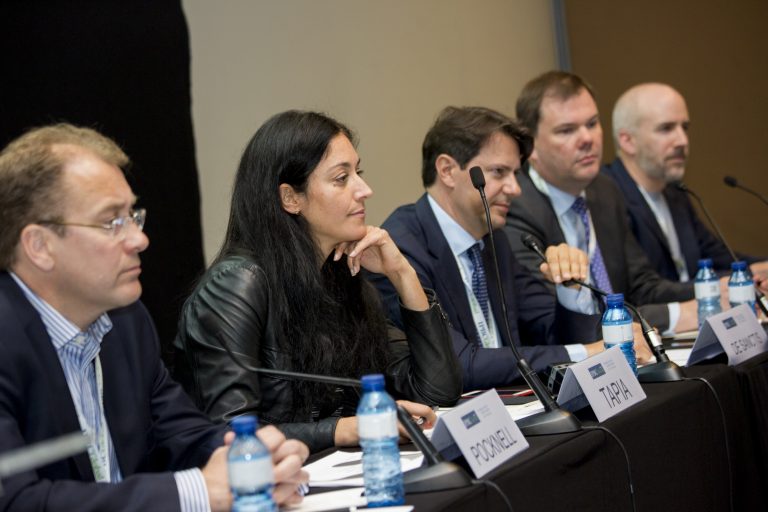
BARCELONA, Spain -- The Huawei v ZTE Case C - 170/13, 21 July 2015 prescribed some guidelines for fair, reasonable and non-discriminatory (FRAND) licensing negotiations, for both standard-essential patent holders and users. A recent private-sector panel addressed European FRAND case law and the latest information and communications technology industry policy opinions, in particular concerning royalty assessment rate (end-user or technology), royalty stacking, patent pool approach and injunctions.

V4 Countries Launch Visegrad Patent Institute As Region’s First ISA, IPEA

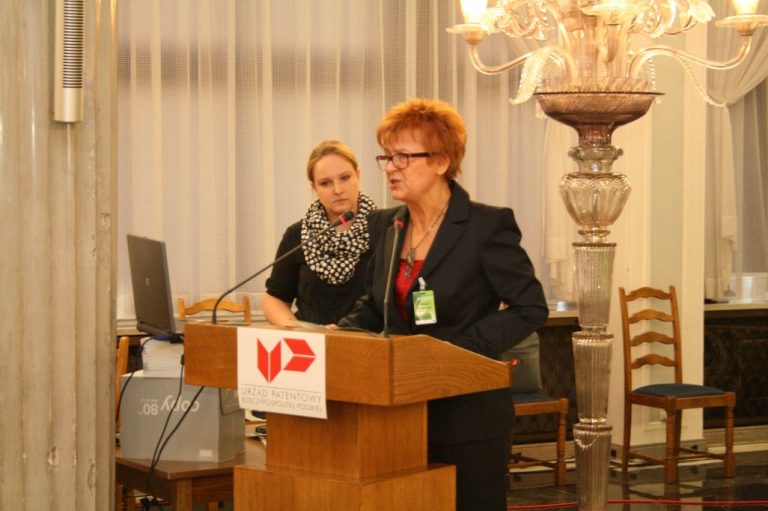
With the aim of strengthening regional cooperation in intellectual property, the four member states of the Visegrad Group, which comprises Poland, Hungary, the Czech Republic and Slovakia, launched the Visegrad Patent Institute (VPI) on 1 July. Applicants will be allowed to communicate with the institutions in their respective mother tongues, and fees for Patent Cooperation Treaty (PCT) applications will be reduced by as much as 40 percent, according to Poland’s Patent Office (UPRP).

US Industry Airs Hopes, Frustrations On IP Rights In India

What do global innovators make of India’s new National Intellectual Property Rights Policy? A recent discussion on “India’s National IPR Strategy: A View from Global Innovators” in Washington DC attempted to assess the opportunities and challenges ahead from the perspective of American companies.

The Dutch & Pharma Policy: A Groundbreaking Presidency

The Netherlands’ Presidency of the European Council proved to be far from quiet in relation to pharmaceutical affairs. June 17 was the concluding Health Ministers Council (EPSCO) that signed off the most strongly-worded conclusions Brussels observers can recall. The meeting signaled the end of an overall successful and impactful Presidency in the highly sensitive field of medicines. The past semester has been eventful to say the least.

Trade Experts: Financing Not IP Slows Adoption Of Clean Energy Tech

Constraints on financing, restrictions on services and not so much access to technology emerged as one of the biggest challenges in the innovation, deployment and diffusion of clean energy technologies during an unusual session last week in Geneva which brought together climate scientists and trade policy wonks. Technologists and chemical engineers also came together to discuss how unlocking trade could help clean technologies in the context of the implementation of the Paris agreement on climate change.

Access To Medicines Resolution Adopted By UN Human Rights Council

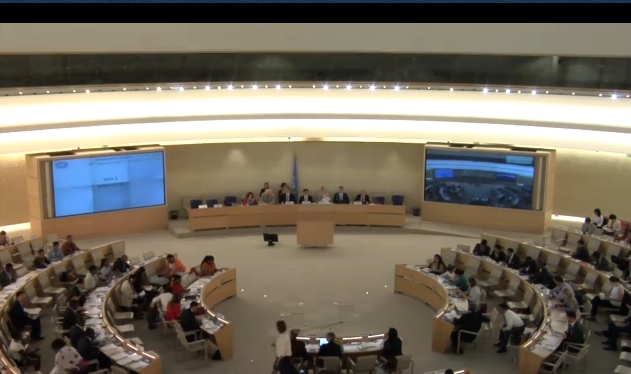
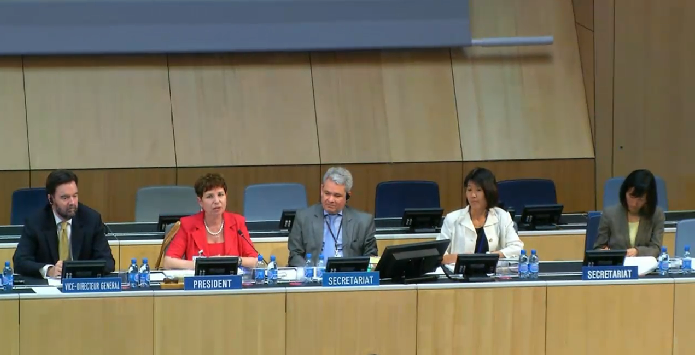
A resolution on access to medicines proposed by a number of developing countries was adopted today by the United Nations Human Rights Council, as well as a resolution on enhancing capacity-building in public health. This marks yet another United Nations fora in which developing countries seek to raise the issue of access to medicines, particularly with regard to high prices.