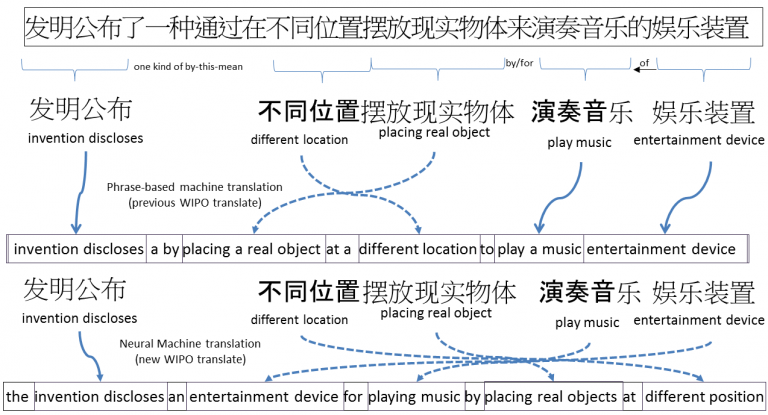
WIPO’s New Tool: Complex Patents Now Easily Translated
The World Intellectual Property Organization has developed a ground-breaking new “artificial intelligence”-based translation tool for patent documents, according to the organisation.

Original news and analysis on international IP policy
The World Intellectual Property Organization has developed a ground-breaking new “artificial intelligence”-based translation tool for patent documents, according to the organisation.
A recently published study finds that, contrary to a conventional view, the United States Patent and Trademark Office undertakes more rigorous patent examination than the European Patent Office and the Australian Patent Office.
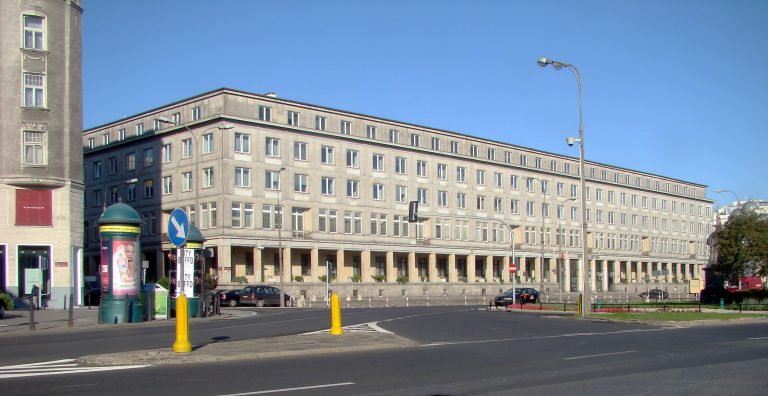
Poland’s Ministry of Economic Development has announced it is developing a package of 11 executive ordinances - of which nine are yet to be signed by the minister - to improve the procedures for obtaining trademarks and contacting the Polish Patent Office, reduce the costs of registering and protecting trademarks and industrial designs, and facilitate these procedures for small- and medium-size companies.
A new report by respected economists under the European Commission has found that problems of patent assertion entities in Europe could be better controlled if patent quality stays high in the region. It also found that the majority of patent assertion entities in Europe have focused on vulnerable targets – mainly in the telecommunications sector - and the report provides significant research on such entities operating in the European Union. The findings shine light on the key role of standard essential patents, with suggestions for policymakers and predictions about the impact of the prospective changes to the European patent system.
While the issue of antimicrobial resistance has arrived in high-level discussions, and there is a consensus that the problem must be tackled one way or another to avoid slipping back into a pre-antibiotic era, some voices are highlighting the need to remember that other health issues remain unmet, and access to medicines is still an acute problem.
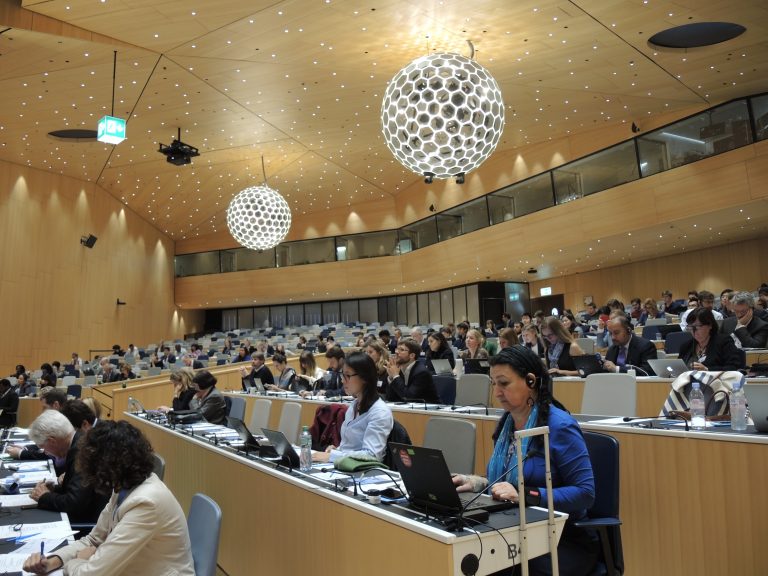
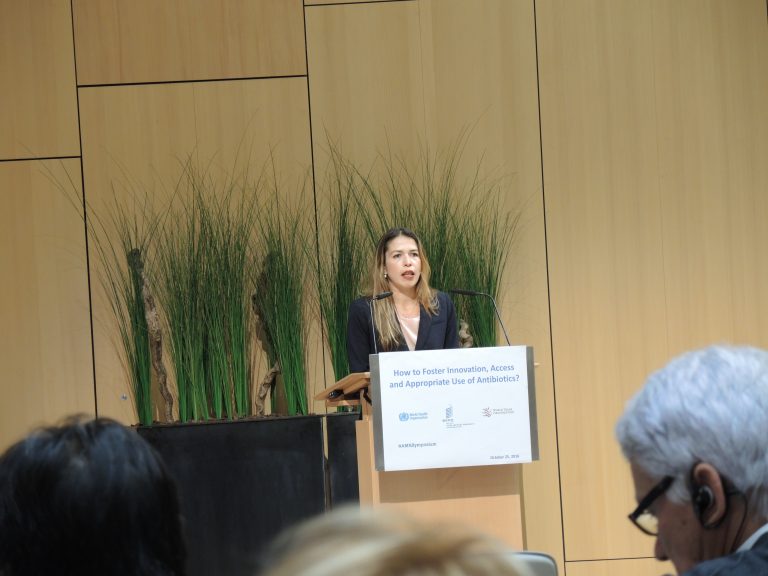
The issue of antimicrobial resistance has been in the spotlight in recent months as a growing awareness of the threat it represents for humanity has pushed discussions at the multilateral level. This week, the World Health Organization, World Intellectual Property Organization and World Trade Organization organised a symposium on the subject. Speakers discussed needs and potential solutions.
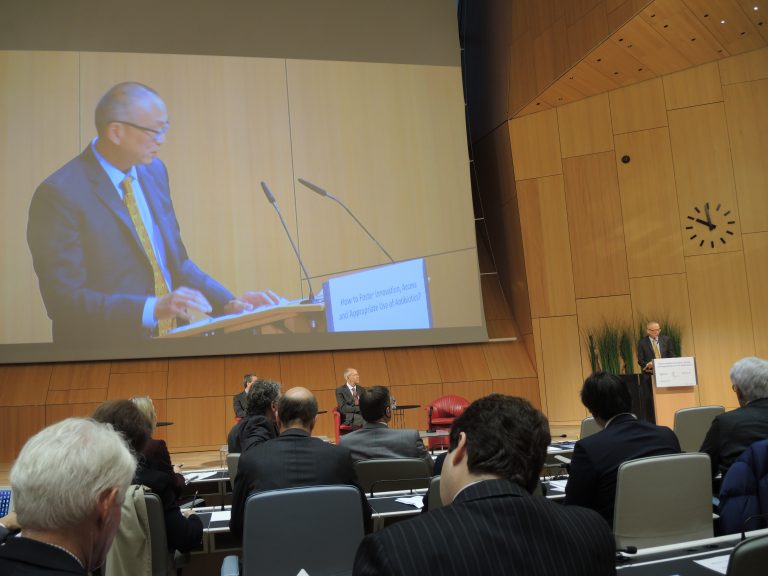
Resistance to antibiotics by bacteria has been steadily growing and is now considered as a major threat to global public health, with some catastrophic projections of millions of death and billions of dollars in economic impact. The World Trade Organization, World Health Organization and World Intellectual Property Organization today are holding a joint technical symposium on antimicrobial resistance, and how to encourage innovation, appropriate use of antibiotics, and wide access to treatments and diagnostics.

On its face, the case is a humdrum, procedural dispute about a patentee’s delay in filing an infringement suit. But if the Supreme Court rules the way most experts expect, the decision will significantly enhance the power of patent trolls and others alleging patent infringement, and it will harm many companies doing business in the US – especially companies in the tech sector. Much hangs in the balance on 1 November, when the Supreme Court hears oral arguments in SCA Hygiene Products AG v. First Quality Baby Products, LLC.
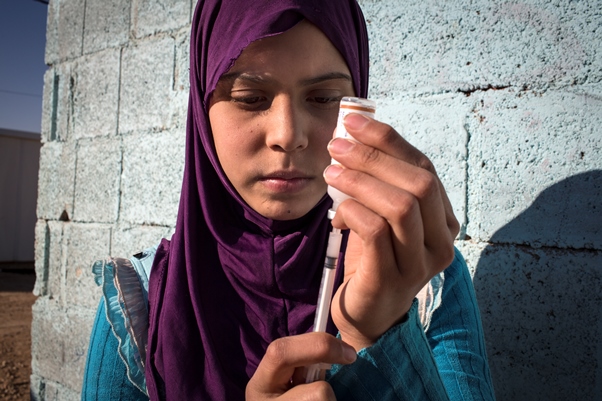
Bangalore-based Biocon may become the first Indian company to offer a biosimilar insulin in Europe. And the patent and pricing story is interesting.
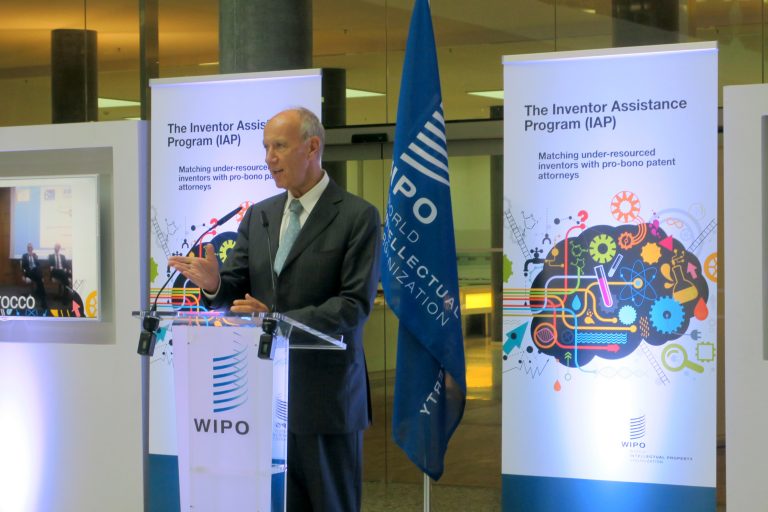
Imagine you’re an inventor in the Philippines and want to file a patent for, say, a fishing implement you’ve invented, but your $9,000 a year income thwarts your ability to pay the legal fees to register it and develop it commercially.
You could be stumped from the start.
The World Health Organization pandemic influenza framework advisory group is meeting this week, behind closed doors. A consultation is expected to take place on 20 October with stakeholders, and an information session has been organised on 21 October on the work of the advisory group, but no press is allowed in either meeting nor able to obtain any information about any aspect of the week’s events.
A range of 55 civil society organisations from around the world today sent a letter asking the United States Department of Health and Human Services to accept an offer from a Canadian generics company, Biolyse Pharma, to manufacture and export high-priced cancer drug Xtandi to countries with a per capita income of less than one-third that of the United States.