Category Innovation/ R&D

A Look At Optimal Patent Regimes For Canada

A new policy brief from the Centre for International Governance Innovation, in Waterloo, Canada argues that Canada should pursue a weaker national patent regime. Acknowledging that Canada already has agreed to certain levels of protection through international treaties and trade agreements, Blit warns that future agreements that strengthen intellectual property protections would not benefit Canada.

Do US Patent Incentives Need To Change To Get The ‘Cancer Moonshot’ Off The Ground?

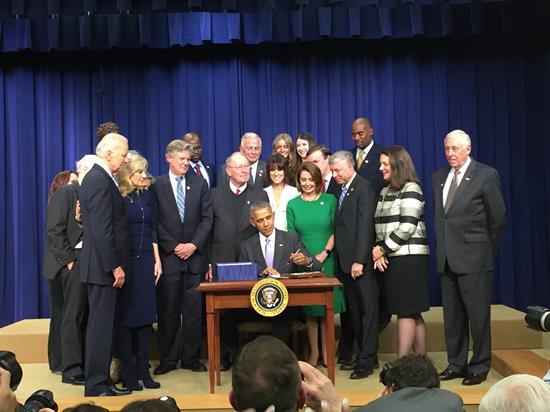
In December, the United States Congress passed a bill with a monumental goal: engaging the private sector to work with each other, and with the government, to develop new treatments for cancer. The mechanics of cancer research, however, may require fundamental changes to our patent system if the initiative is to be successful. Intellectual Property Watch recently sat down with Jacob Sherkow, associate professor of law and affiliated faculty at the Innovation Center for Law and Technology at New York University Law School, to discuss challenges to overcome to get the Moonshot off the ground.

Amendment To The Polish Reimbursement Act For Medical Devices: Challenges For The Market

The Polish Ministry of Health has commenced consultations on an amendment to the act on reimbursements for drugs, foods intended for particular nutritional uses and medical devices. This bill envisions an entirely new system of refunds (full and partial), fixed maximum prices and fixed maximum margins for medical devices based partly on HTA, similar to the system currently in place for pharmaceuticals. The current wording leads one to believe that gradually all groups of medical devices could be introduced into this system. If the amendment is passed in the current shape, it has the potential to transform the medical devices market in Poland.

Paint Medical Patents Green Or Improve Efficacy

Danny Friedmann writes: When the holder of a medical patent finds herself on the patent cliff, staring into the abyss of a patentless and incomeless future, she will become very ingenious in applying for new uses, new pathways of delivery and new doses of the known substance. Painting a new layer of green over the patent that must give the impression of a new invention. It is the duty of the legislator to limit this kind of behavior if it stifles access to generic medicines. How can the interests of patent holders and patients be reconciled?