Category Innovation/ R&D

TRIPS Council: Fears That Non-Violation Complaints Could Undercut Flexibilities In IP Trade Rules
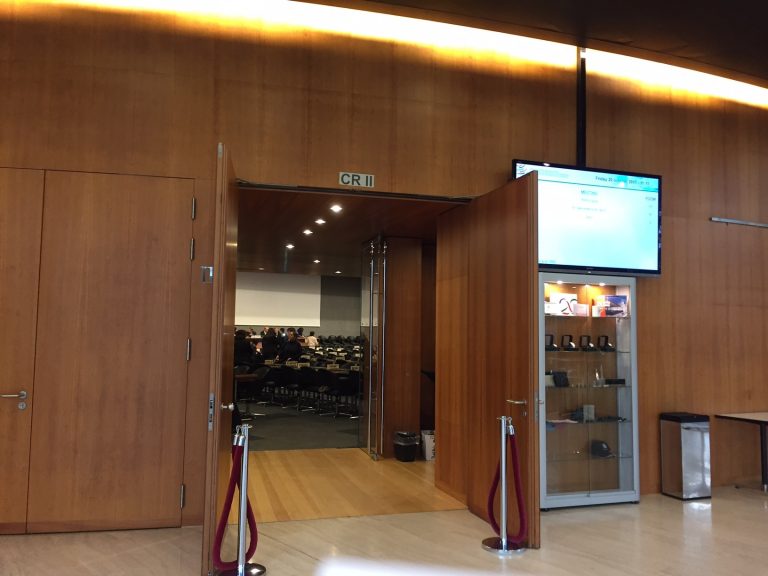
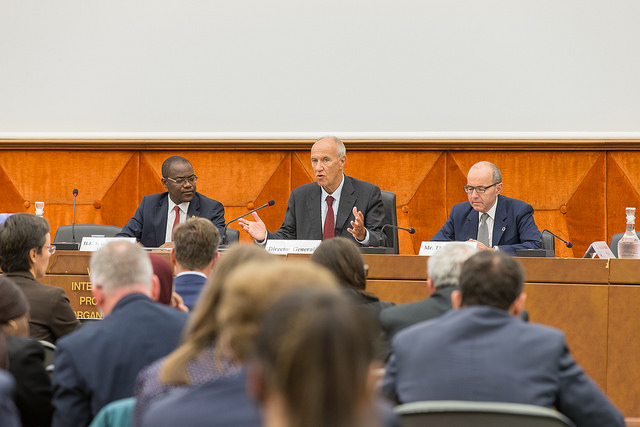
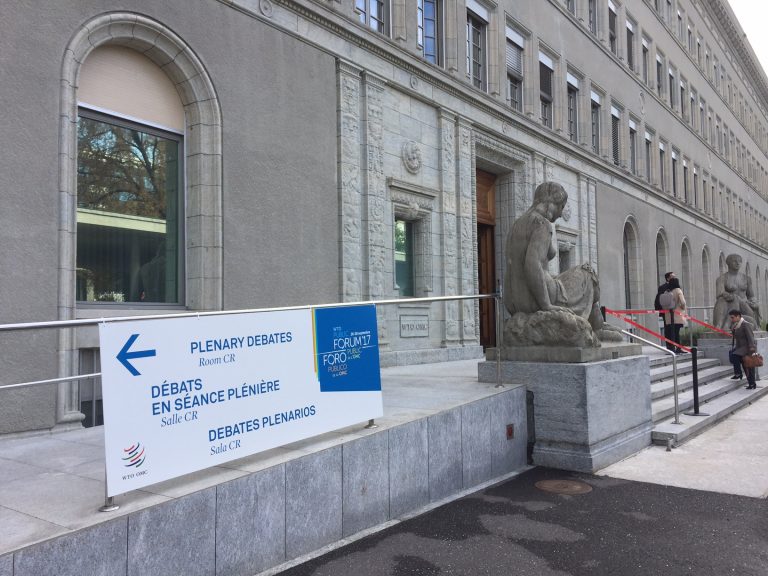
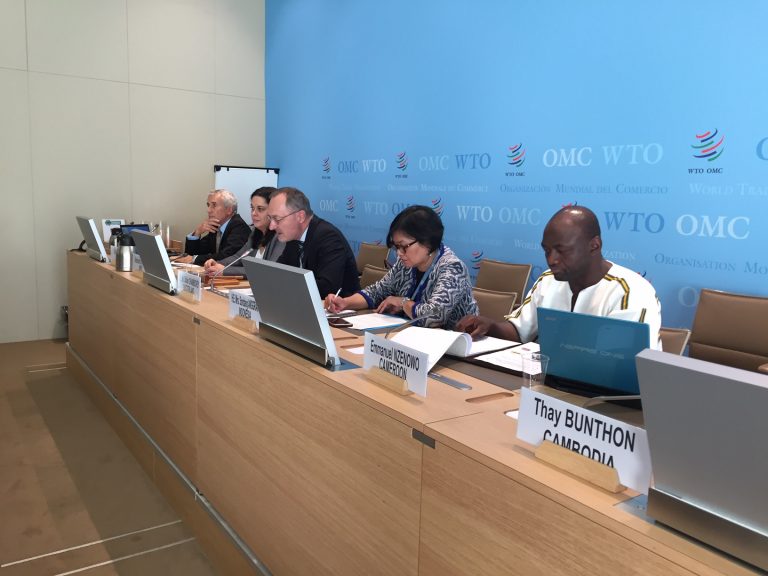
World Trade Organization committee members this week were asked to recommend to the upcoming ministerial conference whether to lift or indefinitely prolong a moratorium shielding intellectual property from complaints between members not involving a breach of a WTO agreement. Short of a consensus, the intellectual property committee will have to reconvene next month to try to find agreement. Separately, a two-year extension was granted to countries not yet having ratified the public health amendment to WTO IP rules.

On Eve Of TRIPS Council, Experts Promote Benefits Of IP For Small Enterprises

The importance of intellectual property protection for micro, small and medium-sized enterprises and the challenges they might encounter to ensure that protection was the focus of an event organised this week by a group of developed and middle-income countries at the World Trade Organization. According to the group, the event aimed at drawing connections between IP policies that are under discussion in the WTO IP committee.

“WTO Must Not Be The Odd One Out” – Members Revive Talks On GIs, Genetic Resources

Members of a 2008 World Trade Organization coalition are trying to rekindle a negotiation to provide the same level of protection granted to wines and spirits to other geographical indications, and to grant intellectual property protection to genetic resources and traditional knowledge. The discussion might not make it to the December WTO ministerial, but the group hopes to open a “fresh window” for discussion.

In US, New Legal Ploy May Protect Bad Patents

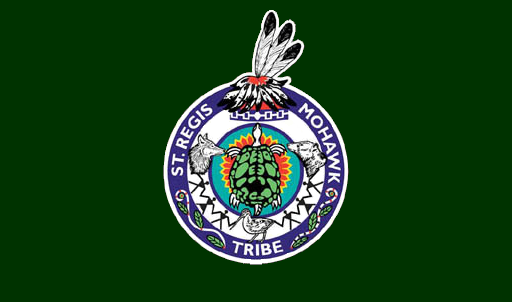
It had been a bad three months for Allergan, Inc. The drug maker’s stock price had fallen over 20 percent, as the company faced two legal challenges to the patents on its blockbuster drug, Restasis. Then, on 16 October, Allergan lost one of those challenges. A US court found the patents invalid. Allergan vowed to appeal, thus maintaining its monopoly on the drug until a final court determination, which could be over a year away. But Allergan’s monopoly could collapse far sooner, if the company were to lose the second challenge to the patents, before the USPTO. Such a loss was probable, as the agency had already found a “reasonable likelihood” that prior art invalidated the patents on Restasis. So back in September, Allergan employed an innovative legal strategy: The company gave its patents to a Native American tribe, and the tribe claimed its sovereign immunity prevented the USPTO from reviewing the patents’ validity. If this strategy were to succeed, it will do far more than just boost Allergan’s bottom line. The new strategy will increase the power of patent owners, help patent trolls, and dramatically alter the US patent system.

WIPO-Pharma Patent Database Started With Industry In Early 2017

A newly announced partnership between the UN World Intellectual Property Organization and the international pharmaceutical industry to set up a database of medicines patents announced this month to the surprise of governments and civil society was an idea originally brought to WIPO by a group of companies in February of this year. Now they appear to be encouraging others to join in.

Cancer Group Recommendations To Ensure Medicines Access In South Africa Draft IP Policy

A US cancer group has provided a series of recommendations to the South African government on ways to improve the country’s draft national intellectual property policy, including greater transparency, voluntary licensing, and the use of compulsory licences.

TRIPS Council: IP And Innovation, Compulsory Licensing, Questions For EU On Goods In Transit

The intellectual property committee of the World Trade Organization is meeting next week with several notable items on the agenda, including some reviving earlier negotiations. Among topics for discussion on intellectual property and innovation is a focus on inclusive innovation and micro, small and medium-sized enterprises. Also, India also submitted a series of questions for the European Union about goods in transit, echoing an earlier WTO dispute. And separately, some countries are holding a workshop on geographical indications and traditional knowledge.

WHO Establishes High-Level Commission On Noncommunicable Diseases

The UN World Health Organization today announced it has established a new high-level global commission on noncommunicable diseases, to be chaired by former WHO director general candidate Sania Nishtar of Pakistan.

Correa: Academics Disagree With Assumptions About IP, Innovation And Development

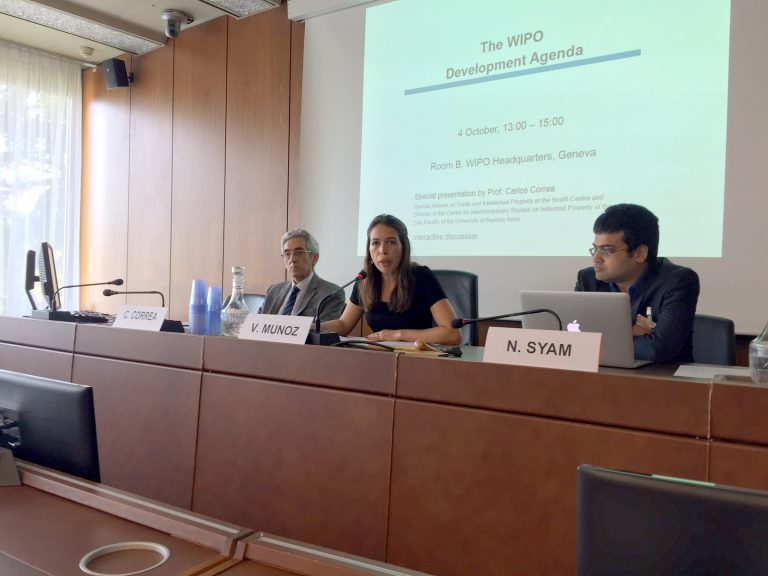
General assumptions saying that intellectual property protection leads to development through the promotion of innovation are not supported by academic research, a well-known professor said last week at the World Intellectual Property Organization. Only countries at a certain level of development can truly benefit from IP protection, he said.

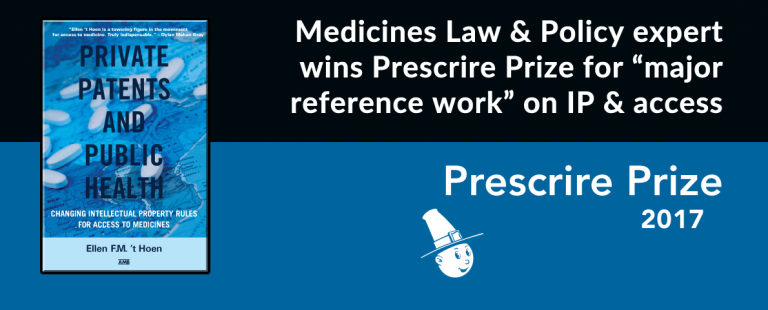
Medicines Law & Policy Expert Wins Prescrire Prize For ‘Major Reference Work’ On Access To Medicines

PARIS -- La Revue Prescrire, a French journal for healthcare professionals, has chosen “Private Patents and Public Health” — a 2016 book written by Ellen ’t Hoen — as one of four winners of its 2017 Prescrire Prize Book Award. Calling it “a major reference work on access to medicines and the patent system,” Prescrire praised ’t Hoen’s book both for its extensive collection of data and examples as well as its readability. (Medicines Law & Policy contributor, Kaitlin Mara was the editor of the book).