Category Innovation/ R&D

Everything Is Obvious
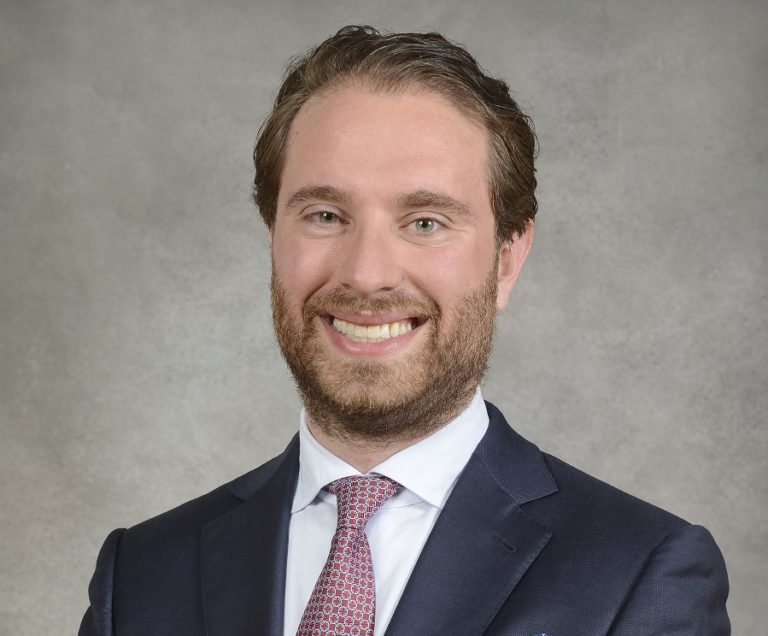
Ryan Abbott writes: For more than sixty years, “obviousness” has set the bar for patentability.  Under this standard, if a hypothetical “person having ordinary skill in the art” would find an invention obvious in light of existing relevant information, then the invention cannot be patented.  This skilled person is defined as a non-innovative worker with a limited knowledge-base.  The more creative and informed the skilled person, the more likely an invention will be considered obvious.  The standard has evolved since its introduction, and it is now on the verge of an evolutionary leap: Inventive machines are increasingly being used in research, and once the use of such machines becomes standard, the person skilled in the art should be a person using an inventive machine, or just an inventive machine.  Unlike the skilled person, the inventive machine is capable of innovation and considering the entire universe of prior art.  As inventive machines continue to improve, this will increasingly raise the bar to patentability, eventually rendering innovative activities obvious.  The end of obviousness means the end of patents, at least as they are now.
Inventors, Licensing Groups Back US Withdrawal From Standards-Essential Patent Pact

A coalition of inventors, patent licensing, business and political groups has issued a letter of support for an effort by Trump administration agencies to withdraw from an Obama-era arrangement with the US Patent and Trademark Office on standards-essential patents that the groups say is harming innovation.

2019 Medicines For Europe Legal Affairs Conference

Advertisement: The 2019 Medicines for Europe Legal Affairs Conference will take place, for the first time, in Amsterdam. In its 15th edition, this conference will provide participants with the opportunity to exchange views and share ideas with leading industry executives and experts, counsel and European institution officials around the latest developments in intellectual property and legal affairs concerning generic, biosimilar and value added medicines within Europe and worldwide.

Innovation And Regulation Of Gene-Edited Vegetables: An Interview With IP Lawyer Chris Holly

Chris Holly is a practicing intellectual property lawyer with extensive experience helping clients leverage IP portfolios in the agriculture, food, microbiology and biotechnology industries. Intellectual Property Watch's David Branigan interviewed Holly to gain his perspective on the technological, regulatory and intellectual property considerations of next generation plant breeding techniques, in particular those that involve gene editing using CRISPR technology.

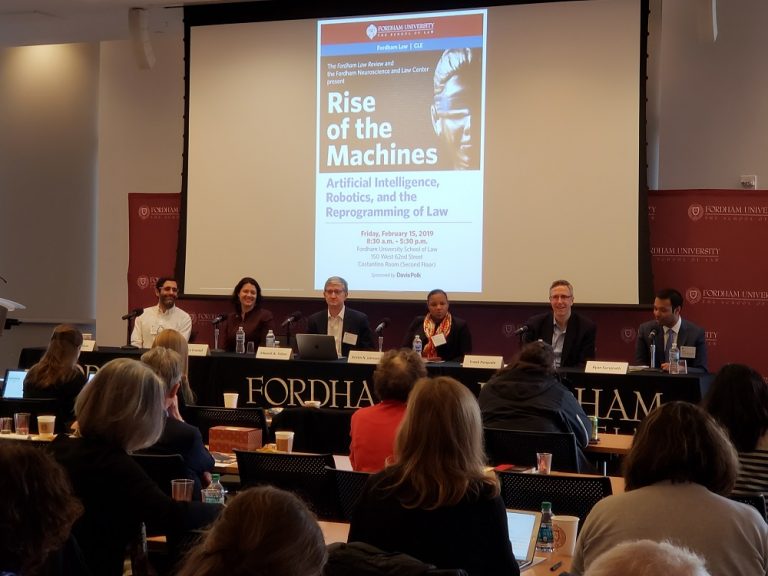
Rise Of The Machines: Experts Look At AI, Robotics And The Law

NEW YORK -- Artificial intelligence, robots, and the law, are all changing a rapid pace. A panel of experts at a recent event at Fordham Law School discussed latest developments and signs of the limits of the law when applied to AI areas like facial recognition, automated weapons systems, and financial technology.

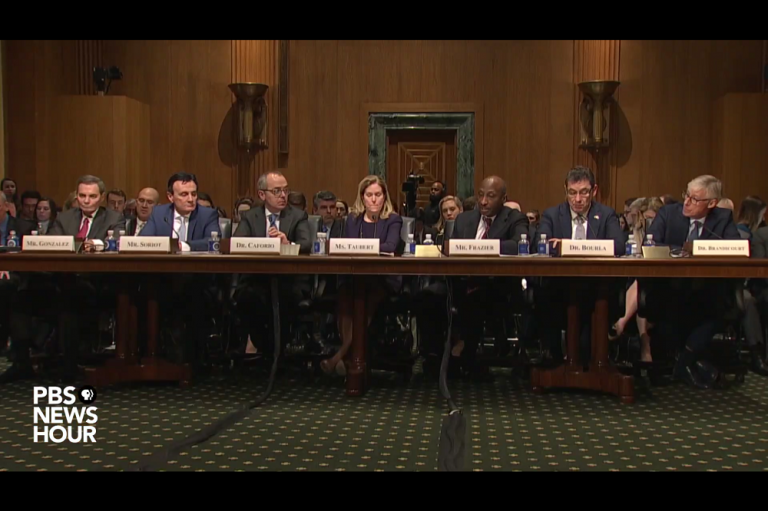
Patents Under Debate As Pharma Executives Face US Senate Committee

Executives of seven large pharmaceutical companies faced questioning yesterday from the United States Senate Finance Committee over high drug prices in the US, especially compared with other developed countries. One issue that came under the microscope was patents.

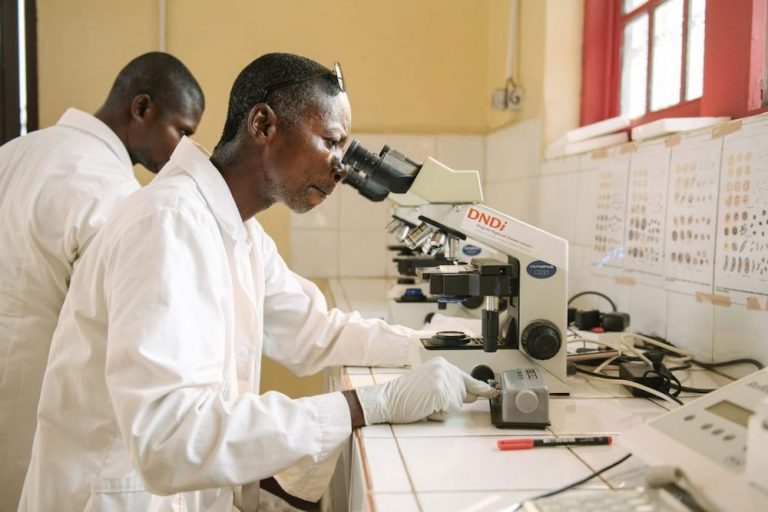
New Research Study Describes DNDi As A “Commons” For Public Health

Since 2003, Drugs for Neglected Diseases Initiative (DNDi) has worked to meet the public health needs of neglected populations by filling gaps in drug development left by the for-profit pharmaceutical industry. A new research study by the French Development Agency analysed DNDi’s unique product development partnership (PDP) model, and found that it “illustrate[s] what can be presented as a ‘commons’ within the area of public health.”

D G Shah, Founder Of Indian Pharmaceutical Alliance, Dies At Age 77: Economic Times

Dilip Shah, founder of the Indian Pharmaceutical Alliance (IPA) the organisation that represented the interests of Indian drug makers passed away in Mumbai on Friday. He was 77. Known in the industry as "DG", Mr Shah started the IPA when the Indian pharma companies were trying to find their feet in the global pharma landscape that was dominated by the multinational pharma companies predominantly based out of Europe and USA. Shah who himself spent most of his career with the MNC drug companies ...

California Startup Brainbase Building Breakthrough Online IP Licensing Platform

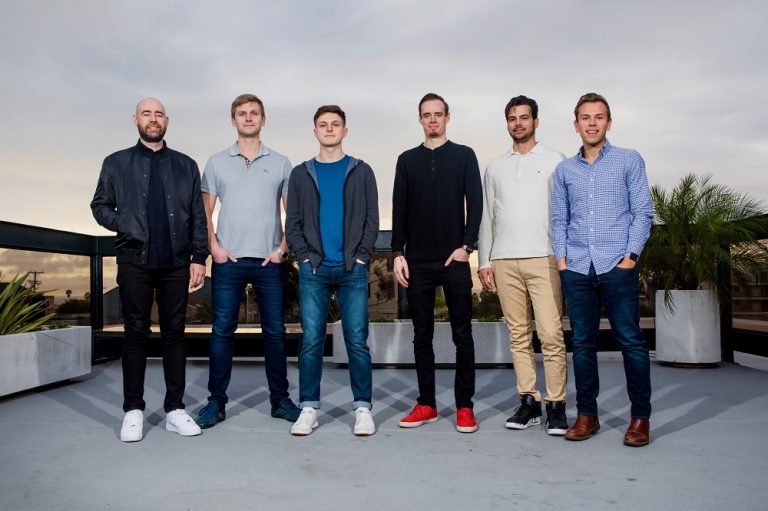
Brainbase, a California tech startup with a team in Estonia, has received US$1M in seed funding to build an "end-to-end product ecosystem for intellectual property licensing" that could change the way businesses manage and licence their brands worldwide. The investment is an indication of dynamic evolution in the IP sector as it takes advantage of latest technologies and the talents of innovators.