Category Human Rights

UN Urged To Emphasize Health Over Profit At Upcoming UN High-Level Meeting On NCDs

An open letter sent by 242 organisations and individuals to key United Nations and World Health Organization representatives on 4 July demanded that high prices limiting access to medicines and effective treatment be addressed at the upcoming UN High-Level Meeting on Non-Communicable Diseases.

145 Organisations Urge EU Vote Against JURI Mandate On Copyright

Some 145 organisations have signed an open letter urging European Parliament to vote against the Legal Affairs (JURI) Committee mandate to negotiate on copyright reform. The European Parliament will meet on 5 July for a plenary vote on whether or not to endorse the mandate.

WIPO Marrakesh Treaty On Copyright Exceptions For Blind Readers Clears US Senate

The World Intellectual Property Organization Marrakesh Treaty on copyright exceptions enabling international access to published works by blind and print-disabled readers was ratified this week by the United States Senate, putting it one step closer to final ratification in the country.

Disclosure, Sanctions – Still To Be Overcome In WIPO Genetic Resources Negotiations

Efforts to draft new language to bridge gaps in this week’s negotiations on a potential treaty protecting genetic resources at the World Intellectual Property Organization were praised by a number of participants. However, what is now presented as a "package" proposition, focusing the instrument on patents, left some developing countries with the feeling that the concessions they made on the patent-only focus are not being met with a similar efforts by others, in particular on a proposed disclosure requirement for patent applicants.

Indigenous Knowledge Databases: Is It Something To Be Concerned About?

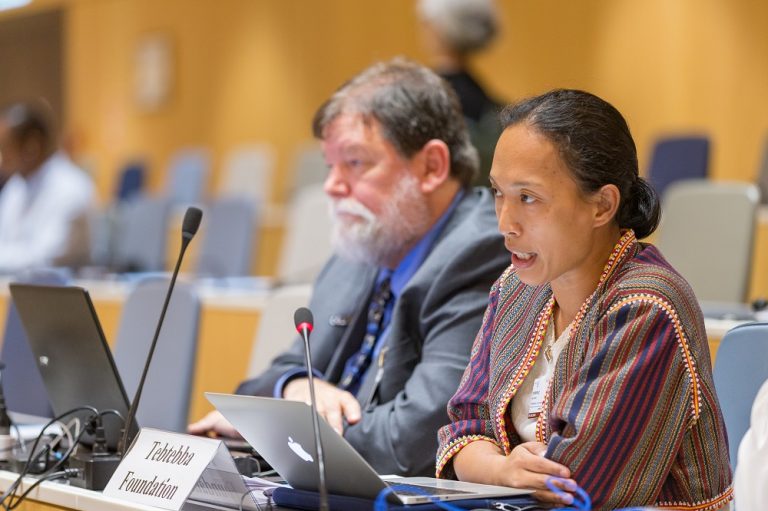
Almost all information today ends up in a database. It is organised and made readily accessible. While it sounds positive, for indigenous communities, it can be crucial. Databases of their knowledge, culture, and genetic resources, if misused, can undermine generations of community effort and maybe even their sustainability. A panel of indigenous peoples’ representatives presented their concerns about databases this week to governments attending a World Intellectual Property Organization meeting on genetic resources.

US Raises Economic Concerns About Proposals At WIPO On Patents And Genetic Resources

Normally known for sanguine views of rules to strengthen intellectual property rights globally, the United States government this week submitted a paper at the World Intellectual Property Organization putting forward private sector economic concerns about proposals to strengthen international rules for patenting of genetic resources aimed largely at helping developing countries.

Human Rights Council Examines Safety Of Journalists And Protection Of Media

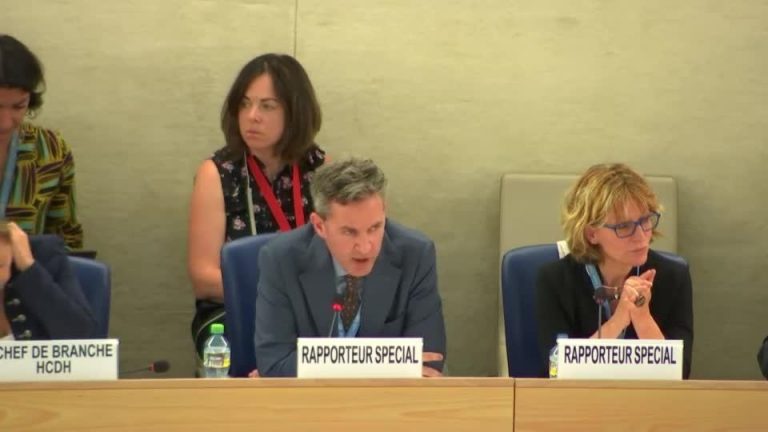
Article 19 of the United Nations Universal Declaration of Human Rights states that “[e]veryone has the right to freedom of opinion and expression.” Yet, there are still places around the world where people do not enjoy this right. This was one of the foci of discussion at the ongoing Human Rights Council meeting this week.

Internet Policy – Whois And GDPR: Sky Not Falling Just Yet?

The struggle over how to comply with Europe's new General Data Protection Regulation dominates the agenda of the upcoming meeting of the Internet Corporation for Assigned Names and Numbers (ICANN) in Panama. With the basic question how much data ICANN can ask its contractual partners to collect and store about its domain name customers, ICANN this week opened another hot topic to be discussed when publishing a paper on unified access to registration data. Meanwhile, trademark owners weighed in.

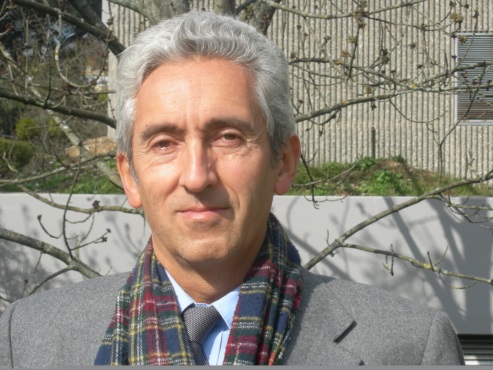
The Myth Of IP Incentives For All Nations – Q&A With Carlos Correa

Dr Carlos Maria Correa, an Argentinian economist and lawyer, is globally renowned for his expertise on international trade, intellectual property, health, technology transfer, investment policy and especially their impact on developing countries. He has authored several books and academic articles and been a visiting professor at several universities. Additionally, he has consulted with many United Nations agencies, the World Bank, and other regional and international organisations and has advised several governments on intellectual property, innovation policy and public health. Correa was a member of the UK Commission on Intellectual Property, of the Commission on Intellectual Property, Innovation and Public Health established by the World Health Assembly and of the FAO Panel of Eminent Experts on Ethics in Food and Agriculture.

Currently, he is the Director of the Centre for Interdisciplinary Studies on Industrial Property and Economics Law, at the University of Buenos Aires. He takes over as the Executive Director of the Secretariat of the Geneva-based South Centre from 1 July 2018. Correa recently engaged in an interview with Patralekha Chatterjee for Intellectual Property Watch. [Note: this interview is number two of two. The first was with Dr Othoman Mellouk.]