Category Human Rights

Taiwan Left At Health Assembly Door; Police Ask Activists To Remove Political T-Shirts

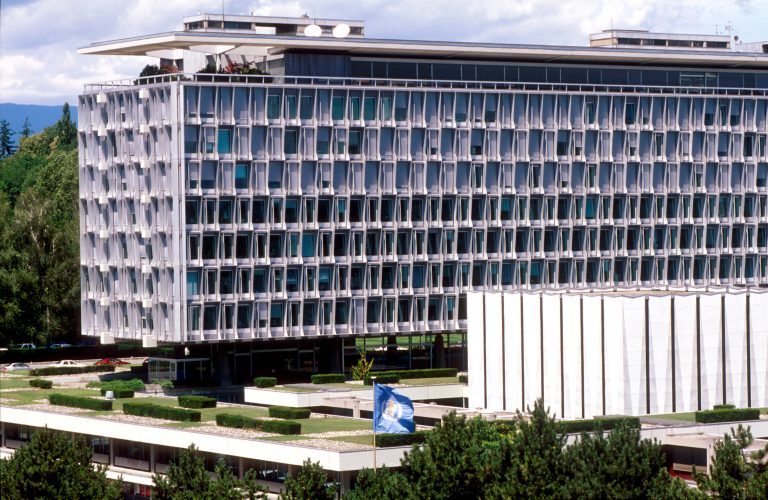
For the second year in a row, Taiwan has not been invited to participate as an observer at the World Health Assembly taking place this week. Political dissent with China borne out of a change of government in Taiwan now refusing to recognise the “One China” principle resulted in Taiwan being left out of the World Health Organization. At the opening of the Assembly, several countries supported Taiwan, including the United States.
O Paradoxo Das Patentes No Brasil E Suas Implicações Para O Acesso A Medicamentos

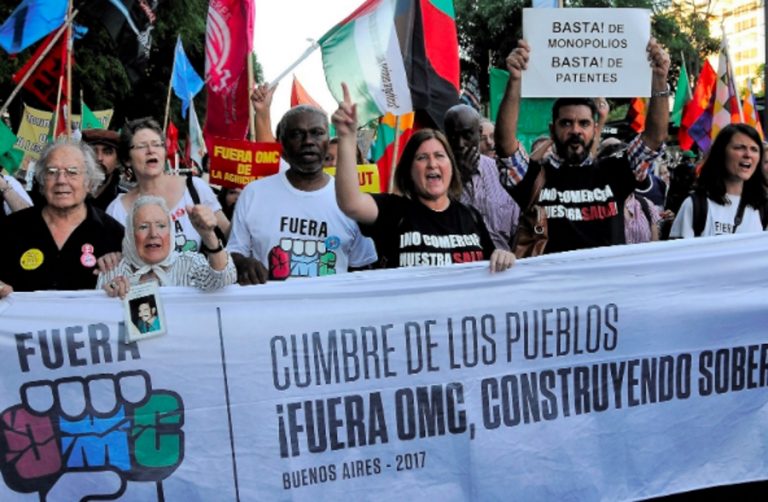
O sistema de patentes foi supostamente projetado para permitir a recuperação do investimento em pesquisa e desenvolvimento (P&D) de um novo produto, através da venda sob exclusividade por um período de tempo. Vários estudos relacionaram preços altos de medicamentos à situação de monopólio estabelecida pelo sistema de patentes e outros direitos de monopólio (como a exclusividade de dados). É bastante estabelecido que a existência de uma patente pode levar a preços altos devido à condição de mercado em que um produtor pode operar com exclusividade. Vários estudos relacionaram preços elevados de medicamentos à situação de monopólio estabelecida pelo sistema de patentes e outros direitos de monopólio (como a exclusividade de dados). Na ausência de concorrência, um produtor pode cobrar praticamente qualquer preço pelo seu produto. A concorrência, portanto, pode promover uma redução significativa de preços e aumentar o acesso.

The Patent Paradox In Brazil And Its Implications For Access To Medicines

Brazil is frequently pointed to as one of the countries in which fewer pharmaceutical patents are granted. The fact that there is a low number of patents granted could lead to the conclusion that medicines can be bought under competition and that the prices would be low. However, many medicines in Brazil are bought exclusively from one producer and usually at high prices. The situation of few granted patents, but many purchases under exclusivity due to absence of competition (which can lead to higher prices), is what we are calling the ‘patent paradox in Brazil’. In the absence of granted patents, what are the factors that lead to the situation of no competition and high prices in Brazil? This is the question that we, at the accessibsa: Innovation & Access to Medicines in India, Brazil & South Africa, aim to answer with a study currently being conducted at the Department of Medicines Policy and Pharmaceutical Services (NAF) of the Sergio Arouca National School of Public Health – ENSP/Fiocruz.

Data Collection For AI Solves Problems, Helps Researchers, Panellists Tell UN-Led Event

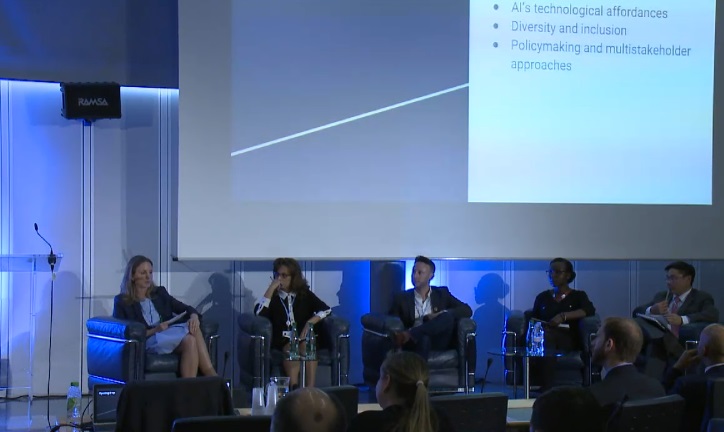
At a time when data collection has become a prickly subject and public defiance against large data-collecting companies such as Facebook, Google or Amazon has risen, a UN-led international summit on artificial intelligence this week sought to present the potential of the new technology in solving global problems. Data is the basic fuel of artificial intelligence, and panellists at the event showed how data collection has led to problem solving. For instance, the Chan-Zuckerberg Initiative hopes to give biomedical researchers the ability to tap into the global conversation and browse some 200 years of research.

TRIPS Flexibilities In High Demand

Using flexibilities in the World Trade Organization Agreement on Trade-Related Aspects of Intellectual Property Rights (TRIPS) has long been an issue of the developing world. But policymakers gathered at a meeting on access to health in Brussels today said there was an urgent need for European Union countries, too, to make more use of flexibilities.

Artificial Intelligence For Good: 3 Days To Discuss AI Solutions

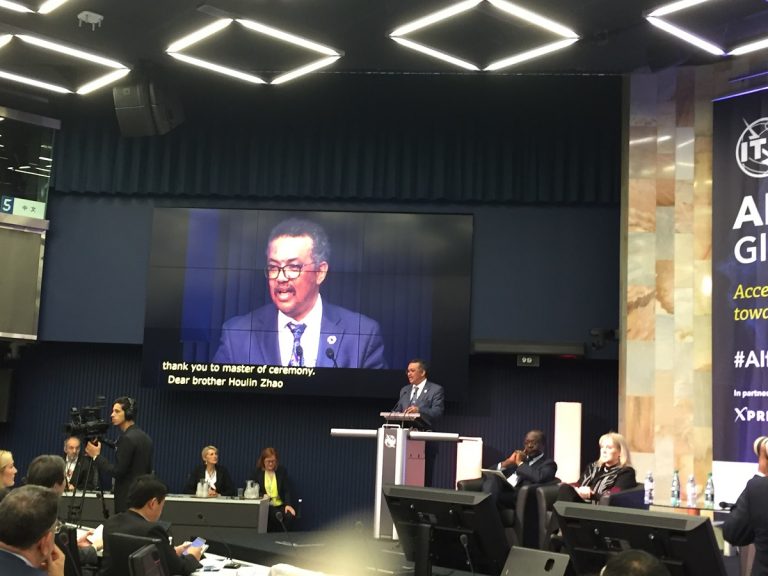
The second edition of an annual global summit on “artificial intelligence for good” spearheaded by the UN International Telecommunication Union opened today. A focus of the summit is how artificial intelligence can help advance the United Nations Sustainable Development Goals. The opening statements by UN heads, including the World Health Organization, showed growing interest in new technology to help in all kinds of areas such as health and agriculture.

Trump Declares Intent To Stop Pharma Companies From ‘Gaming’ Patent System

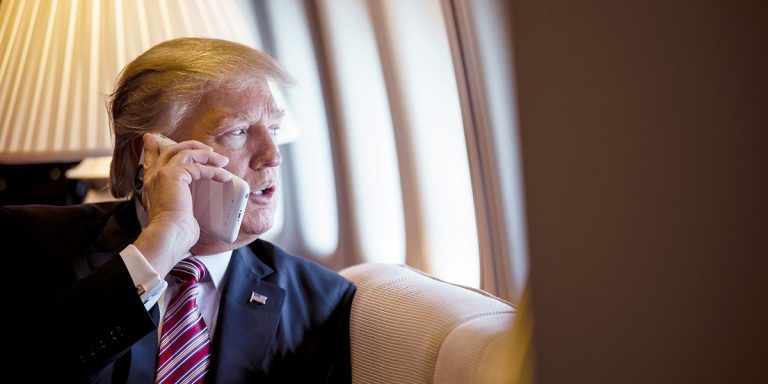
US President Trump today declared in a White House speech his intent to "take steps" to lower drug prices by stopping "gaming of regulatory and patent processes by drug makers to unfairly protect monopolies," as well as increasing price transparency and promoting biosimilars and generics. But to do this, his administration will take on what it sees as "freeloading" on US innovation by foreign governments, and addressing "unfair" intellectual property and market access policies in trade agreements.

Civil Society Key In TRIPS Flexibility Implementation

When the agreement on intellectual property was adopted by the World Trade Organization, a number of flexibilities were included in the text, mainly to give developing countries policy space to implement the agreement with development considerations. However, some countries through lack of awareness or economic pressure have not used those flexibilities fully, and found themselves facing difficulties addressing their public health needs, which some associate with this failure to use the flexibilities. Civil society has engaged in notable efforts to counter pressure and raise policymakers' awareness for a wider access to medicines.

World Health Assembly 2018 Preview: Guide To Key Issues

The World Health Organization celebrated its 70th anniversary last month. Since the inception of the organisation, the world has changed, and so have its challenges. The global rise of non-communicable diseases is one example of those challenges, as well as the escalating prices of new medicines and chronic access issues in many countries. The annual World Health Assembly will open on 21 May with an ambitious new General Programme of Work for 2019-2023, which promises 1 billion more people under universal health coverage.