Category Human Rights

Things Heat Up In WIPO Debate On Patents And Health

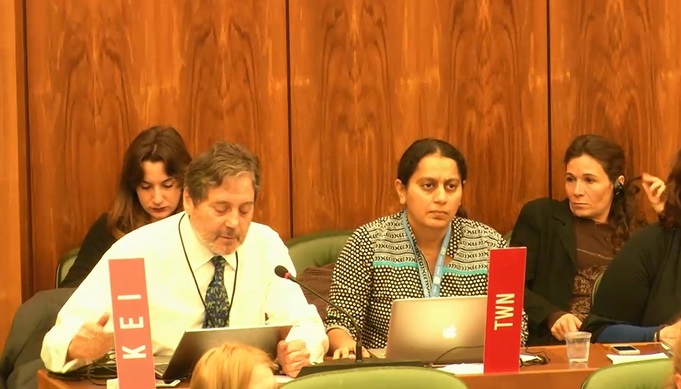
The World Intellectual Property Organization patent law committee this week became the latest venue for the global debate over the system to provide incentives to the pharmaceutical industry to find new medicines while ensuring all patients have access to those medicines. Most developing countries want the committee to discuss the recommendations of the United Nations Secretary-General’s High-Level Panel on Access to Medicines, while most developed countries disagree. The tone is rising, and the issue could come as a hurdle as countries decide the future work of the committee.

A Look At The UNAIDS Board Debate On IP And Medicines; Outcome Fell Short For Some

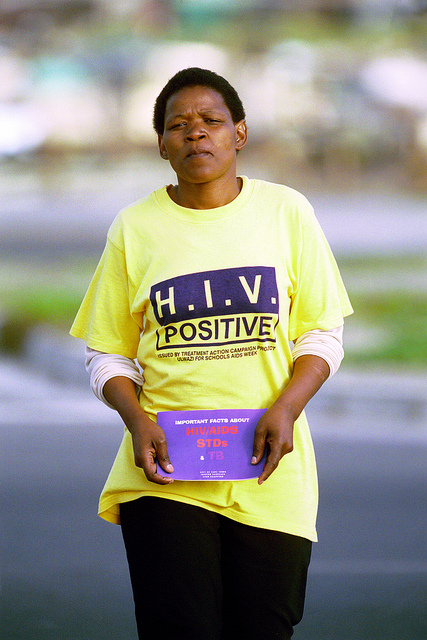
The discussion on intellectual property-related barriers to access to medicines was one of the most contentious points of the 39th meeting of the UNAIDS governing board last week. After hours of negotiations, the board agreed that the organisation will keep working on the issue. But developing countries and civil society would have preferred a stronger mandate, according to representatives.

UNAIDS Board Carries Forward Multi-Agency Work On IP Barriers To Medicines Access

A meeting of the Board of the Joint United Nations Programme on HIV/AIDS (UNAIDS) has concluded with a set of decisions (attached) showing that the Board went farther than just noting the UNAIDS secretariat report on intellectual property-related barriers preventing access to medicines. And the Board, after lengthy discussions, also called on UNAIDS to facilitate discussions on the high-profile report of the United Nations Secretary-General’s High-Level Panel for Access to Medicines.

UNAIDS Board Considers Recommendations On Access To Medicines

The Board of the Joint United Nations Programme on HIV/AIDS (UNAIDS) this week is considering a report calling for the 11 cosponsor agencies of the programme to follow the recommendations of the UN Secretary General’s High-Level Panel on Access to Medicines to improve policy coherence, and to produce reports on the use of intellectual property at country and regional levels, including the use of flexibilities.

Will The Voice Of Indigenous Peoples Disappear From WIPO Discussions To Protect Their Knowledge?

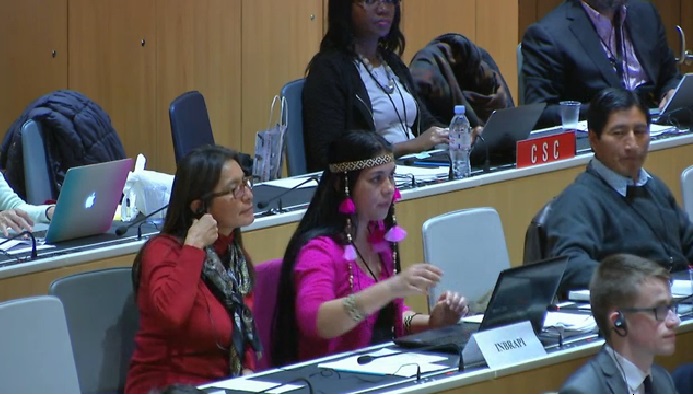
What would be the credibility of the World Intellectual Property Organization committee negotiating a system of protection for traditional knowledge held by indigenous peoples, if none of their representatives could participate in the meetings? That has been a recurring question asked by indigenous peoples and the organisation over the years. But now, if no voluntary contributions are made by governments or others, the next committee meeting could very well be first in 16 years held without a single observer from an indigenous community.

Support IP-Watch: An Appeal To Readers

Intellectual Property Watch needs your financial support. As one of our readers, you know that IP-Watch plays a vital role in international policymaking on intellectual property and innovation through its independent, reliable, balanced and dedicated news coverage. But like other…

TPP May Be Dead – But Its Impact Lingers

Despite the Trans-Pacific Partnership (TPP) being - to all-intents-and-purposes - dead in the water, pursuit of some of the most egregious objectives of the corporate interests driving the TPP agenda rolls on. Pharma is persisting in its push for countries to adopt not just TRIPS-Plus, but in some cases even TPP-Plus intellectual property rules - presumably groundwork for the later emergence of a ‘son-of-TPP’ agreement, three authors write.

US Patent Office 2016 Humanity Awards Go To Health-Related Inventions

The winners of the 2016 Patents for Humanity Award of the United States Patent and Trademark Office this year are recognised for providing global disease solutions. The inventions relate to malaria, vaccines, a life-threatening pregnancy complication, and meningitis.