Category Human Rights

Special Feature: WHO Still On Trail Of New Financing For R&D For Poor Populations’ Medical Needs

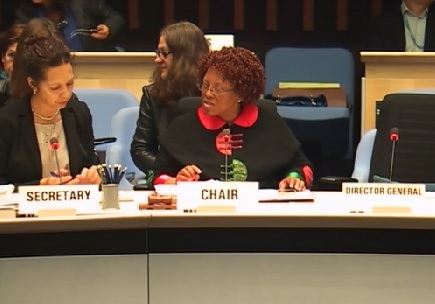
World Health Organization members are expected to meet this spring to assess progress and discuss potential solutions to the lack of financing for research and development for diseases affecting primarily developing countries. The WHO Executive Board last week discussed and noted a report by the WHO secretariat for the preparation of the open-ended meeting. The exact date of the meeting is not certain, according to WHO officials, but would likely be in March or April.
200 Companies, Organisations Worldwide Promote Stronger Encryption

Nearly 200 organisations, companies and others from 42 countries have signed an open letter to the international community demanding that stronger encryption tools be allowed to be developed and used. The letter describes encryption tools and services as vital components of maintaining a secure digital environment, where if users are allowed to use the strongest forms of encryption it can allow for the safest and most efficient ways to communicate across borders.

Evaluation Starts On WHO Global Strategy For Public Health, Innovation, IPRs

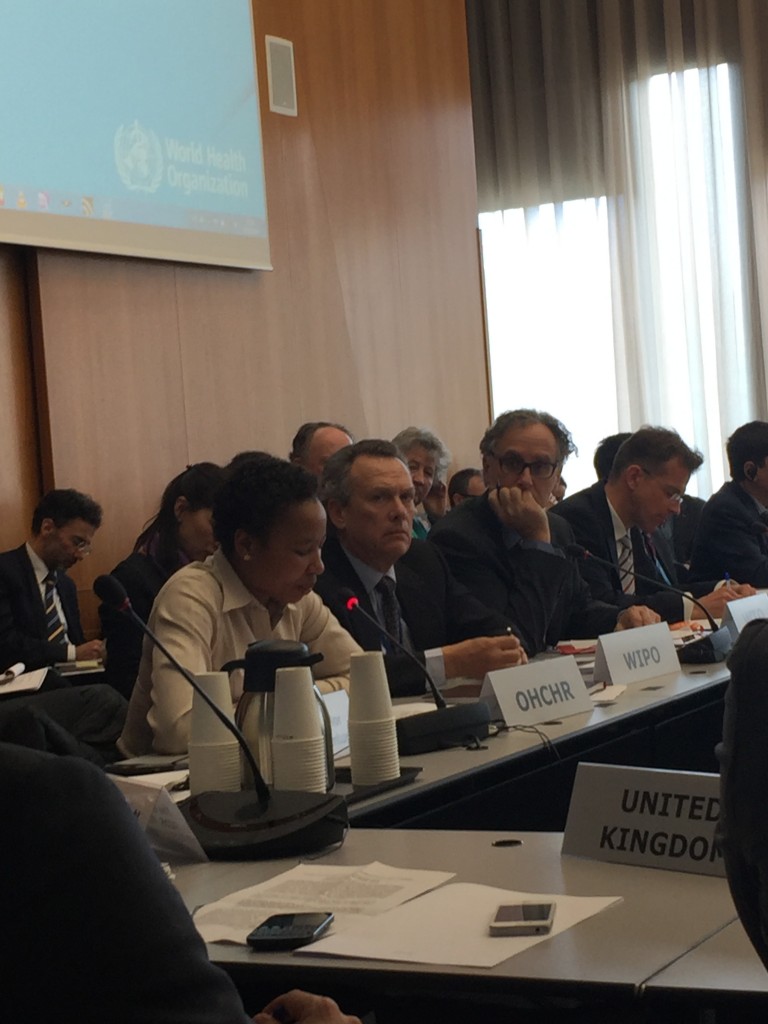
This morning, World Health Organization Executive Board members took note of a report by the WHO secretariat on the evaluation of the organisation’s global strategy and plan of action on public health, innovation and intellectual property. An inception report by the evaluation team was provided to the WHO in December, which has not been shared to the member states, according to the secretariat, although its results are expected to be presented to them in March. In the meantime, key points have been provided.

A Look At The Marrakesh Treaty Ratification In Brazil

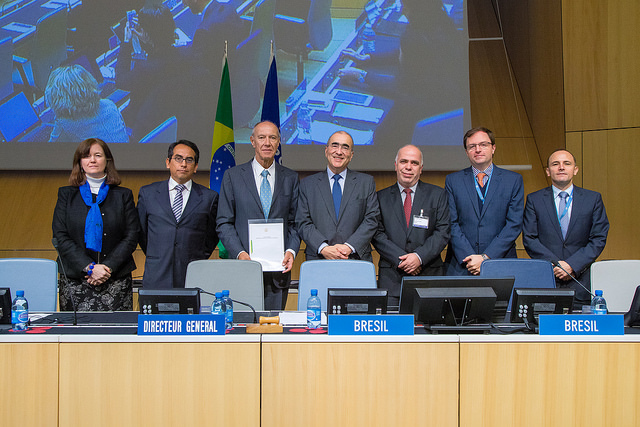
The Marrakesh Treaty, first of its kind, will enter into force three months after the deposit of the instruments of ratification or accession by 20 eligible countries. So far, thirteen have done so. Brazil, which was one of the main proponents and negotiators, deposited its ratification of the treaty on December 11, 2015, after the yearlong internal legislative process. The key question we are trying to face here is how the ratification of this treaty may impact Brazilian copyright legislation and the interpretation of the limitations.

50+ US Congress Members Urge Reasonable Licensing Terms For Government-Funded Medical Patents

More than 50 members of the United States Congress today sent a letter urging the US Department of Health and Human Services (HHS) and National Institutes of Health (NIH) to exercise their legal authority to require medical patents that have emerged from government-funded medical research projects to be licensed on reasonable and affordable terms for public use.

TPP, India Most-Read IP-Watch Stories Of 2015

The most-read stories of 2015 on the Intellectual Property Watch website fairly reflected the trends of the year, with the Trans-Pacific Partnership (TPP) agreement, India’s evolving intellectual property rights policies, European Patent Office patents on conventional vegetables, biologics, 3D printing, and some pop culture issues leading the way.

In the coming weeks, IP-Watch will review in-depth what’s in store for 2016, already underway. But for now, let’s take a look at last year’s highlights.

University Students Energise Global Campaign For Medical R&D Agreement

The force of hundreds of students worldwide has gathered behind an international effort urging governments to promote research and development in a way that does not result in high-priced medicines. The initiative led by Universities Allied for Essential Medicines (UAEM) seeks to address the longstanding gap in affordable medicines and puts the focus on the World Health Organization, whose members are currently working on this issue.

Alongside WTO Ministerial, Officials Stress Gains On TRIPS And Health

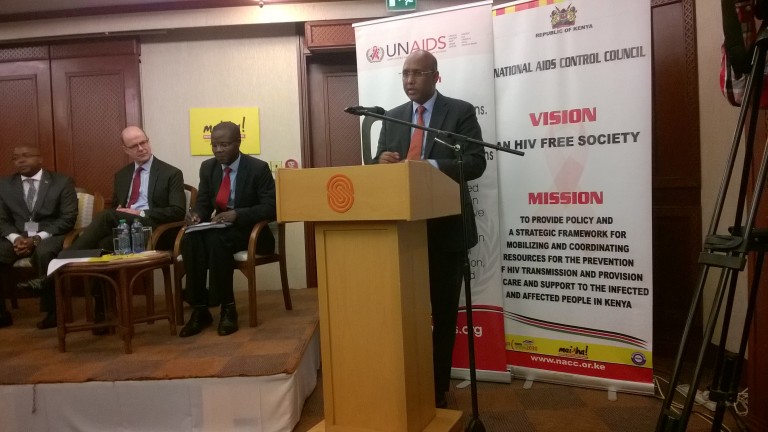
NAIROBI, Kenya -- On the sidelines of the World Trade Organization Ministerial Summit this week in Nairobi, senior officials from the Kenya government, Joint United Nations Programme on HIV/AIDS (UNAIDS), civil society and others discussed a WTO intellectual property rights amendment on public health to better enable poor nations to access essential medicines.