UN Names New Head Of Convention On Biological Diversity
Cristiana Paşca Palmer of Romania has been named executive secretary of the Secretariat of the United Nations Convention on Biological Diversity (CBD).

Original news and analysis on international IP policy
Cristiana Paşca Palmer of Romania has been named executive secretary of the Secretariat of the United Nations Convention on Biological Diversity (CBD).
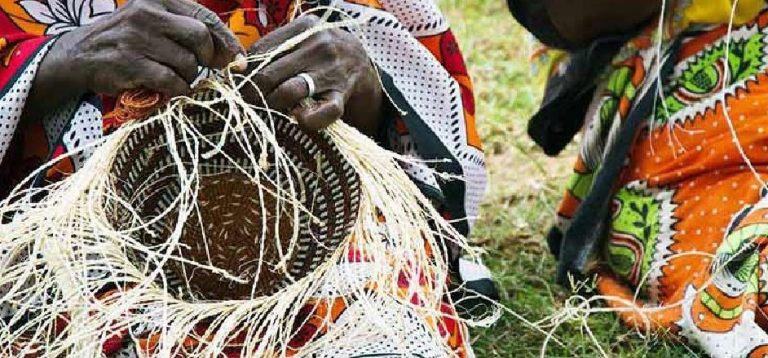
New draft articles published this morning at the World Intellectual Property Organization committee on traditional knowledge show signs of progress in terms of reducing options. Meanwhile, the United States introduced a proposal for a discussion of what should be protectable and what is not intended to be protected. Delegates have to deliver their take on both documents this afternoon.
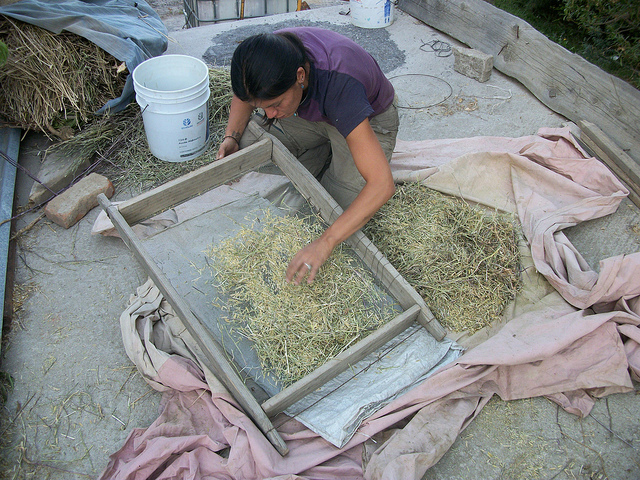
When countries belong to several international instruments, some aspects of those instruments may run contradictory to one another. A symposium held recently by the International Convention for the Protection of New Varieties of Plants (UPOV) sought to explore the interrelations between the convention and the international treaty on plant genetic resources for food and agriculture. Farmers' rights lie at the intersection of the two treaties and while some find the treaties complementary, some others view them as contradictory on farmers' rights. Meanwhile, farmers themselves have been blocked from participating in deliberations.
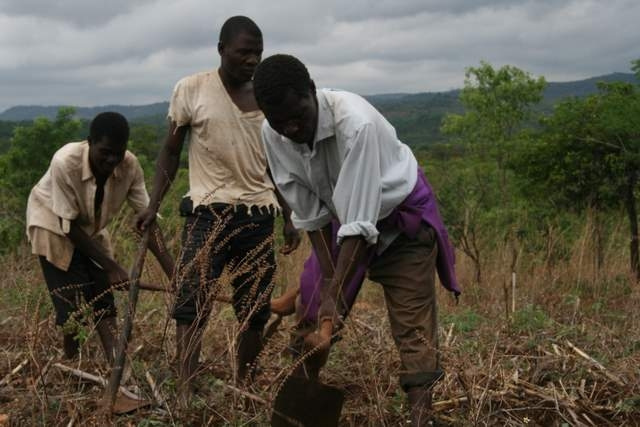
A global consultation on farmers’ rights recently co-organised by Indonesia and Norway provided recommendations to the international plant treaty, calling for the establishment of an ad hoc working group on farmers’ rights. They also recommended that contracting parties of the treaty revise their intellectual property laws and other legislation that may create obstacles for the realisation of farmers’ rights.

At its second anniversary, the Nagoya Protocol is ushering in an international access and benefit-sharing (ABS) system that may impact the freedom to operate with genetic resources. Those who utilize genetic resources and information should understand the emerging framework and take actions to reduce the risk of patent invalidation, legal liability and reputational harm that may flow from a violation of ABS requirements, writes Bruce S. Manheim.
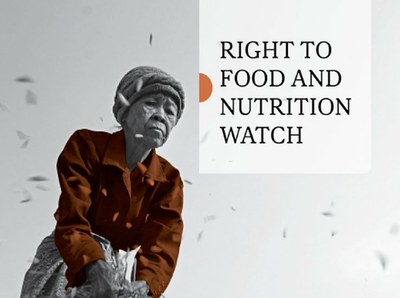
A new report by civil society groups defending the right to food and nutrition lays bare threats to seeds and biodiversity created by intellectual property rights, and calls for states to respect their human right obligations to protect small farmers’ right to seeds and food security.
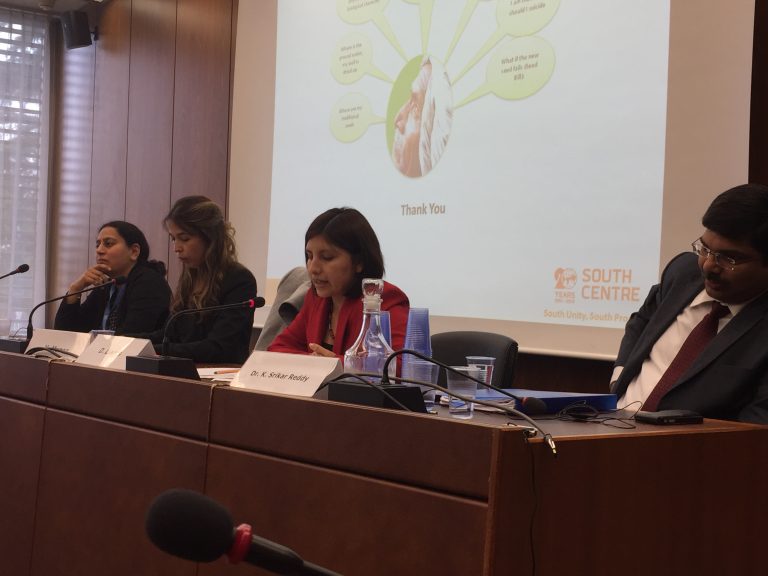
A side event to last week’s annual General Assemblies of the World Intellectual Property Organization looked at ways for developing countries to design sui generis system for protecting new varieties of plant. The event also looked into the technical assistance provided by WIPO, which, according to the groups, focuses only on the International Union for the Protection of New Varieties of Plants (UPOV) system.
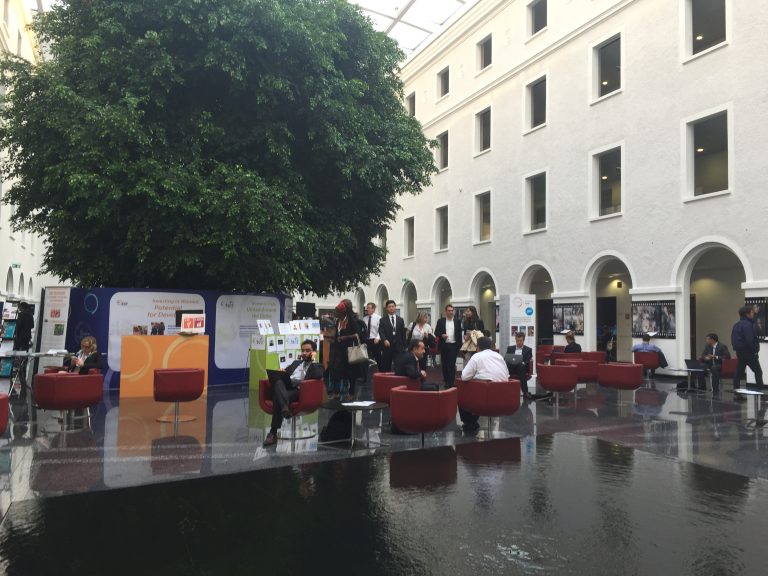
In the temple of international trade and globalisation, a group of speakers called for developing countries to protect themselves against dumping of food products from developed countries.
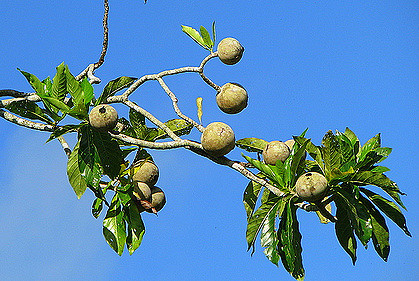
A recent patent granted by the United States Patent and Trademark Office to a Colombian company stated where the genetic resource of the invention was taken from and described the access and benefit-sharing agreement made with indigenous communities. This might be the first time that such a statement appears in a US patent, according to a source.
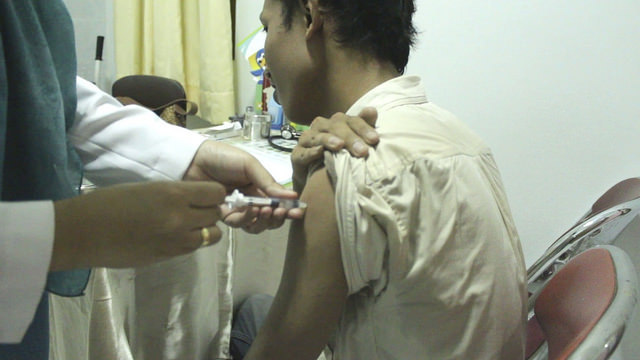
The review of a World Health Organization mechanism for sharing pandemic influenza viruses while ensuring access to vaccines for developing countries is nearing conclusion. Next week, the reviewers will hold their last meeting, including an open session for governments and stakeholders to share views. The review is addressing issues such as the mechanism’s relationship with other international rules, and how to handle the rising use of genetic data instead of biological samples.