Category Environment

Informal And Formal Seed Systems, Usually Enemies, Can It Be Otherwise?

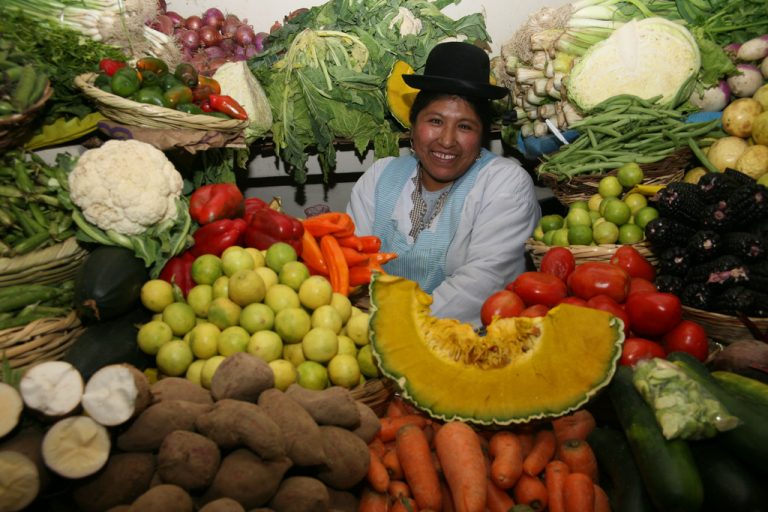
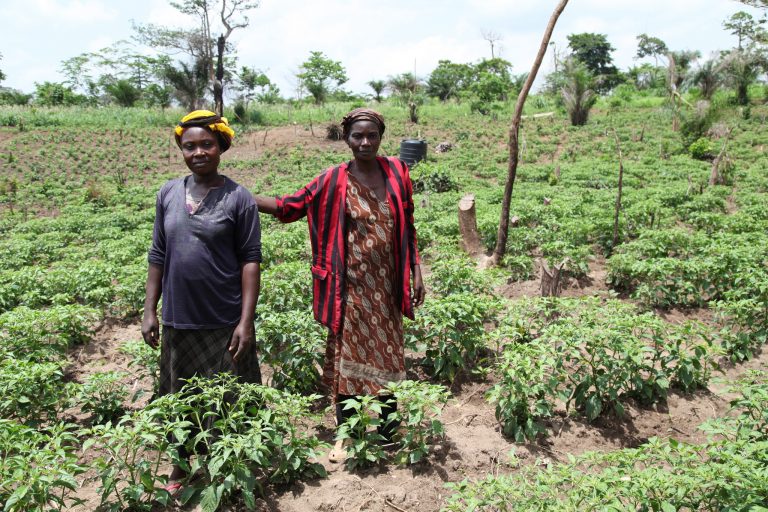
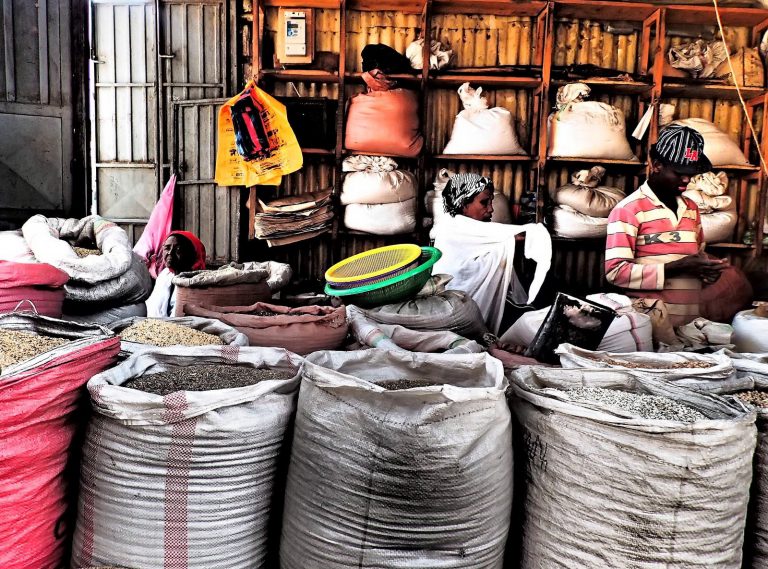
Can the farmer seed system most widely used in the world, and the system of seeds produced by plant breeders certified and protected by intellectual property rights, be complementary? The question was addressed during a recent webinar organised by the Global Forum on Agricultural Research, with no easy answers. In particular, speakers mentioned several challenges, including the lack of a common agreement on what are farmers' rights, and the inability for small farmers to register their seeds so they are protected, in particular against biopiracy.

At WIPO, Water Entrepreneurs Meet Investors

Entrepreneurs with innovative water technologies came to the World Intellectual Property Organization last week to find new partnerships and investors. The urgent need to work together and build partnerships in the water sector was the overall message of the event. “Nobody can do the work alone,” Nicholas Niggli, Republic & State of Geneva's Director General, Economic Development, Research & Innovation, said, referring to the many existing water challenges.

WHO Asked To Square Its Position On Herbicide; EU Evaluation Seen As Flawed

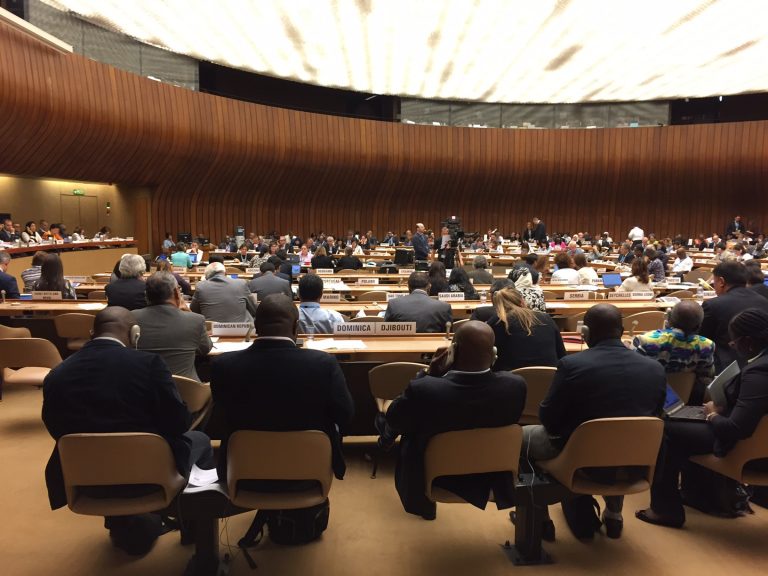
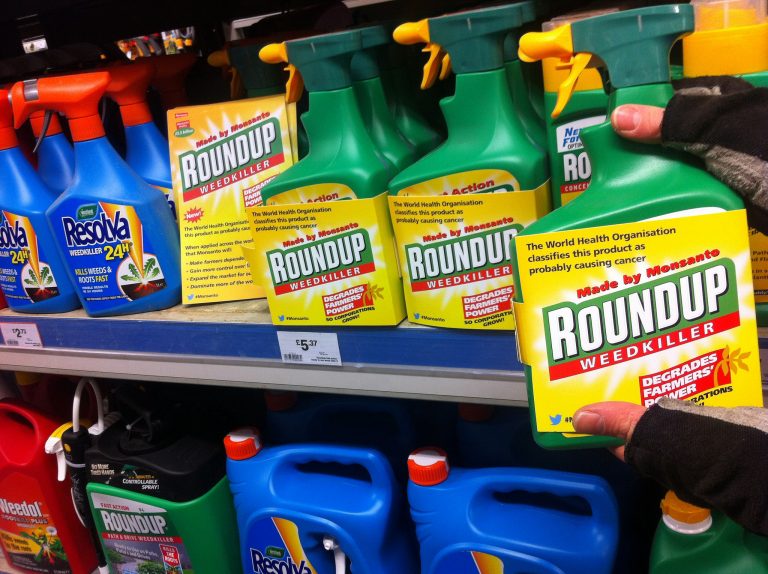
Does glyphosate, better known under its brand name RoundUp, increase the risk of cancer in humans, or not? Yesterday, some World Health Organization members, while hailing a draft resolution on cancer later adopted, underlined a lack of coordination on glysophate between the WHO and its agency for cancer research. Separately, a renowned scientist sent a letter to European Commission President, Jean-Claude Juncker, saying the evaluations on the herbicide are flawed, and should be done again to safeguard public health.

Decision On Pandemic Flu Framework At WHA: Look Closer At Changes

A committee at the World Health Assembly yesterday decided to seek a closer look at consequences of potential changes to the WHO framework on pandemic influenza. The decision, still to be confirmed by the World Health Assembly, requires in-depth analysis of how to handle pandemic flu viruses under the framework, whether the framework should cover seasonal influenza, and whether the framework should become a specialised international instrument on access and benefit-sharing.

African Civil Society, Farmers Demand ARIPO Lift Blackout On Protocol Protecting Plant Varieties

Civil society and farmers allege communication blackout from by the African Regional Intellectual Property Organization (ARIPO) about a protocol protecting new plant varieties. The 2015 protocol was highly criticised by those organisations as endangering traditional practices of African farmers. Draft regulations could not be adopted in December, but the regional organisation, according to the civil society and farmer groups, is keeping the outcome of the December meeting secret.

UPOV This Week Focused On International Cooperation System; Benin Curiously Ratifies Twice

The International Union for the Protection of New Varieties of Plants (UPOV) governing body is meeting this week, along with its technical, and consultative committees. On the agenda is a potential international system of cooperation, disputed by civil society. Separately, Benin, a least-developed country, appears to be in the process of ratifying the UPOV convention, raising questions since a regional organisation of which Benin is part already joined UPOV in 2014.

WHO Flu Framework Looks At Virus Genetic Information Sharing, Private Sector Contribution

How to deal with genetic information rather than physical samples of pandemic influenza virus continues to be discussed at the World Health Organization. For the moment, only physical samples are part of a framework of access and benefit sharing set up and run by the WHO. This week, the framework advisory group is meeting and according to sources, suggested steps to establish guidance on how to address virus genetic information will be shared by the WHO during the meeting.

UK Professor Charts Path To Reconciling IP Rights, Farmers’ Rights

The role of farmers in agricultural innovation can be perceived in different ways. Proponents of intellectual property rights view farmers mainly as recipients of innovation, while others view farmers as main drivers of innovation. Considering those seemingly contradictory points of views, some measures could help reconcile IP rights and farmers' rights, a UK professor in international governance has said.

New Gene-Editing Technology Whets Appetites In Health, Food Industry, Fuels Patent Fights

A new discovery allowing easier and swifter genome editing, considered by some as a major game changer in the field of biology, is opening doors to new technological wonders in many areas, such as medicines and agriculture. Yesterday, the United States Patent and Trademark Office issued a ruling on a case where two US university laboratories both claimed the invention of a genome editing technique. The USPTO decided that the two universities had made distinct discoveries. In Europe, patents from both universities on the technology are also challenged at the European Patent Office.