Category Environment

TRIPS Council: Fears That Non-Violation Complaints Could Undercut Flexibilities In IP Trade Rules

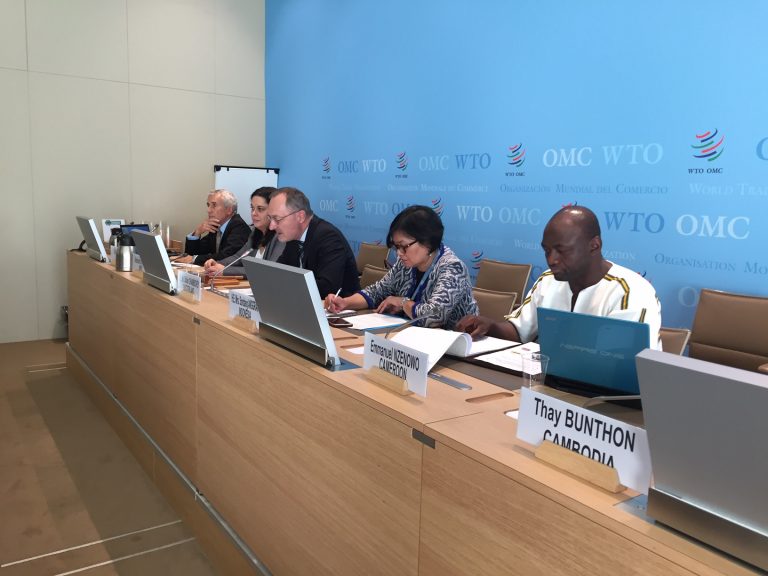
World Trade Organization committee members this week were asked to recommend to the upcoming ministerial conference whether to lift or indefinitely prolong a moratorium shielding intellectual property from complaints between members not involving a breach of a WTO agreement. Short of a consensus, the intellectual property committee will have to reconvene next month to try to find agreement. Separately, a two-year extension was granted to countries not yet having ratified the public health amendment to WTO IP rules.
“WTO Must Not Be The Odd One Out” – Members Revive Talks On GIs, Genetic Resources

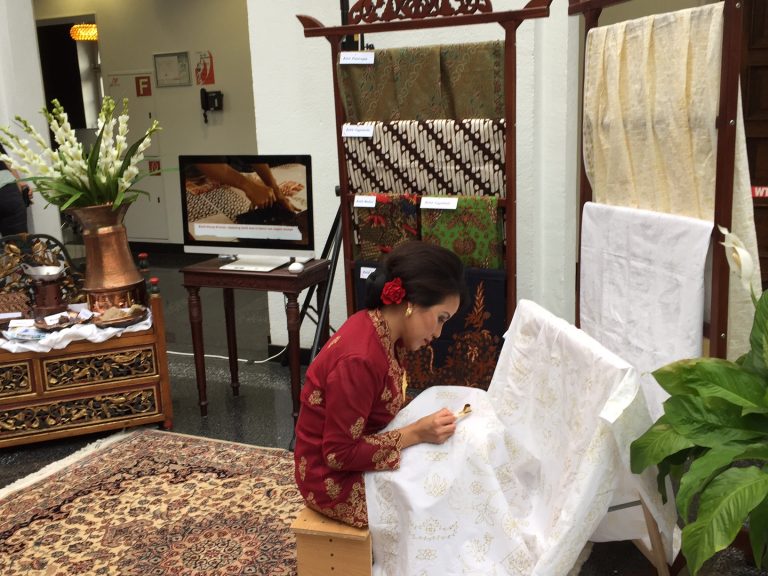
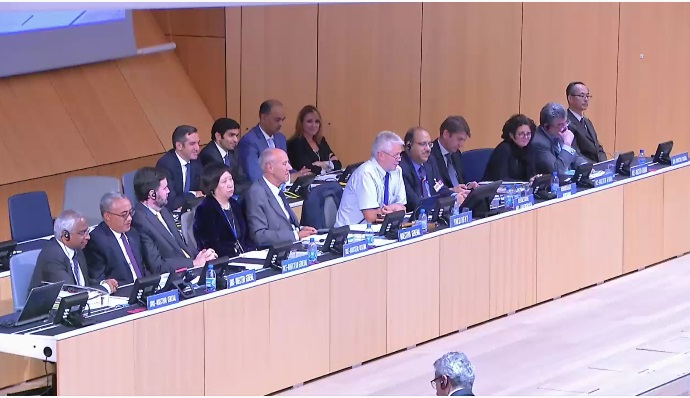
Members of a 2008 World Trade Organization coalition are trying to rekindle a negotiation to provide the same level of protection granted to wines and spirits to other geographical indications, and to grant intellectual property protection to genetic resources and traditional knowledge. The discussion might not make it to the December WTO ministerial, but the group hopes to open a “fresh window” for discussion.

WIPO: New 2-Year Mandate For Traditional Knowledge Committee; Design Law Treaty Stalls

Late tonight on the last day of the annual World Intellectual Property Organization General Assembly, delegates agreed on a mandate and a work programme of the committee seeking ways to protect genetic resources, traditional knowledge, and folklore from misuse and misappropriation. Meanwhile, no agreement was found on the convening of a high-level negotiating meeting for a new treaty on industrial designs.

New US/Japan Proposal On Mandate For WIPO Traditional Knowledge Committee

The United States and Japan have submitted a joint proposal for the next mandate of the World Intellectual Property Organization committee on the protection of genetic resources and traditional knowledge, whose mandate must be decided this week. The new proposal comes on top of proposals from the African Group and the European Union. If there is a large consensus saying the committee should continue its work, the objectives of the committee and the way to achieve them differ widely.

Did Monsanto Write Malawi’s Seed Policy?

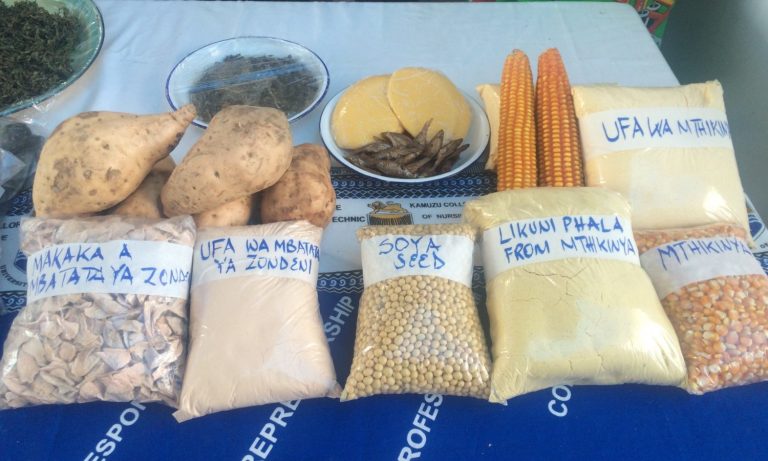
Tim Wise writes: In late July, a short article was published in a Malawian newspaper: “Press Release on Organization of Seed Fairs.” Issued by the Ministry of Agriculture, Irrigation, and Water Development, in conjunction with the Seed Traders Association of Malawi, the short statement advised the public that “only quality certified seed suppliers registered with Government to produce and/or market seed should be allowed to display seed at such events.” The release was signed by Bright Kumwembe for the Agriculture Ministry.

I received this news in the United States as I prepared a research trip to Malawi, and I was shocked. Malawi is in the final stages of a multi-year effort to reform its seed policy and laws, and the largest point of contention at this point is the failure of the draft policy to recognize and protect so-called “farmers’ rights” to save, exchange, and sell the seeds they grow on their farms.

Launch Of Book On TRIPS And Climate Change

A new book being launched in Geneva next week reflects the growing recognition that the World Trade Organization Agreement on Trade-Related Aspects of Intellectual Property Rights (TRIPS) could play a more important role in the mitigation of climate change, according to the programme of the book launch.