Category Environment

Gene Editing: Fears Lead To Call For Moratorium At CBD, Discussions Ongoing

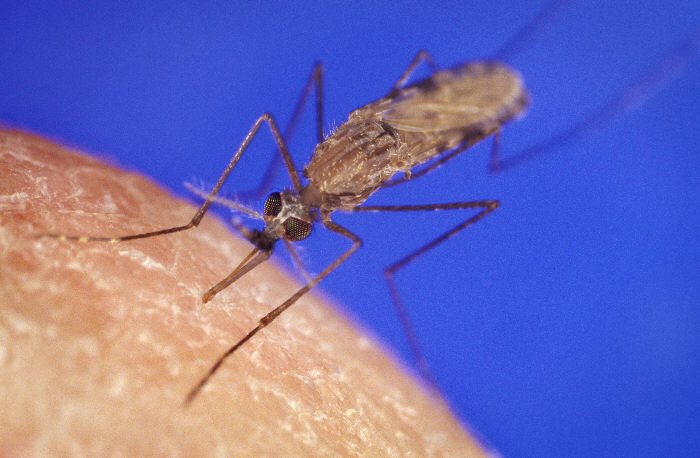
Gene editing techniques have opened the way to a new world of innovations. One of them is the potential eradication of malaria-carrying mosquitoes. What appears as a very attractive way to help with malaria eradication is denounced by civil society groups arguing that the technology is in its infancy. Wiping out entire species could have unforeseen environmental, health, and social consequences, they say. They are calling for a moratorium preventing the release of gene drive organisms in the wild. They also describe the gene drive mosquitoes as a Trojan horse, hiding broader interests of agricultural multinational corporations.

Convention On Biological Diversity Biennial Meeting Looks At How New Technologies Will Affect Its Objectives

Member countries of the UN Convention on Biological Diversity are meeting in Egypt for its biennial conference of the parties, and the conference of the parties of its protocol on access and benefit sharing, until the end of November. New technologies are high on the agenda of the meeting, such as synthetic biology and genetic sequence information of genetic resources, and how they will impact the convention's objectives. Delegates are also expected to discuss a potential global multilateral benefit-sharing mechanism, and criteria for international specialised instruments of access and benefit-sharing which could substitute the protocol's obligations in certain cases.

Global Biotech Industry Revisits Geneva, Seeks To Build Relationships To Help Shape Policies

A global association representing biotechnology industries last week made a second annual visit to Geneva's institutions to raise awareness of how the industry works, its needs, and how the association could participate better in policymaking. Dismissing fears of industry unduly influencing public policies, two representatives of the association sat down with Intellectual Property Watch's Catherine Saez to explain the importance of biotechnology in solving the problems of the world, and the need to raise awareness of the perspective of the biotechnology sector.

WHO Members Consider Possible Changes To Pandemic Influenza Framework

A hundred years ago, the influenza pandemic known as the “Spanish flu” infected one-third of the world population, and resulted in an estimated 50 million deaths. Last week, the World Health Organization held a consultation on possible changes to its 2011 agreement to prepare for the next pandemic influenza. Two major questions were on the table: whether to extend its agreement to seasonal influenza, and how to deal with pandemic influenza genetic information, which is increasingly used instead of biological samples of viruses.

The Global Multilateral Benefit-Sharing Mechanism: Where Will Be The Bretton Woods Of The 21st Century?

Joseph Henry Vogel writes: Bretton Woods is the name of a place and also of a system. Bretton Woods-the-place boasts the Mount Washington Hotel and majestic views of the White Mountains of New Hampshire. Bretton Woods-the-system is the set of financial rules drafted during an international conference held at the hotel from 1 to 22 July 1944 [1]. The system created monetary order and allowed postwar recovery. For economists, Bretton Woods signifies the system. Its success illustrates how economic thinking can penetrate the political sphere and make lasting change. John Maynard Keynes, the Darwin of economics, led the British delegation.

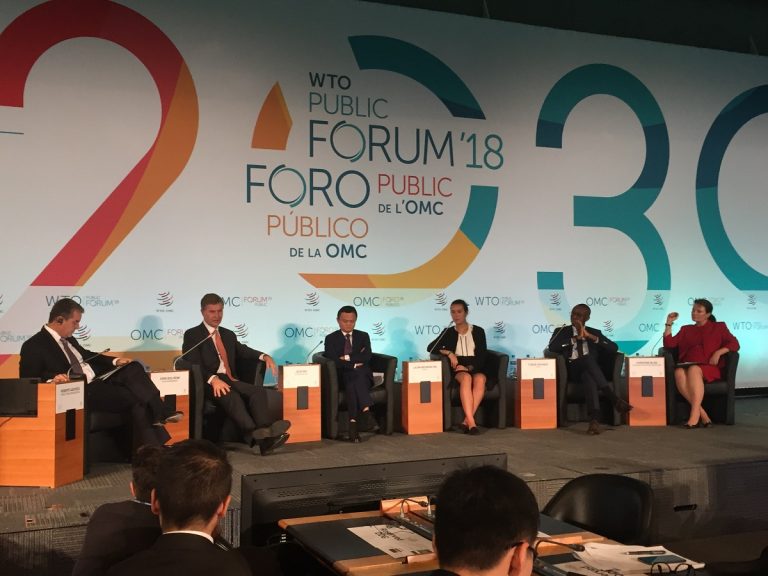
Trade In 2030: WTO Public Forum Opens With Visions For The Future

What will trade look like in 2030? This is the topic of the 2018 World Trade Organization Public Forum opening today. During the discussion opening the forum, WTO Director General Roberto Azevêdo said technological evolution cannot be stopped and should be shaped so it can yield the best results. Alibaba founder Jack Ma invited governments to build infrastructure to help ecommerce and stop trying to regulate it.

UN Human Rights Council Passes Resolution On Peasants’ Rights Including Right To Seeds

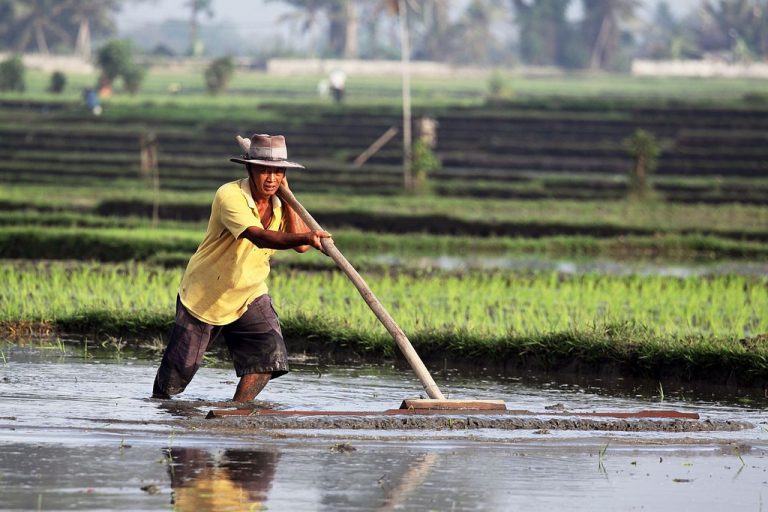
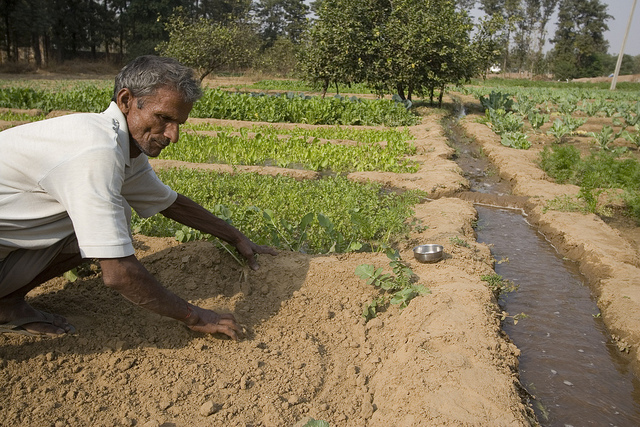
The United Nations Human Rights Council last week passed a resolution on the rights of peasants, to be confirmed by the UN General Assembly in November. The resolution includes an article on the right to seeds, and in particular the right to save, use, exchange and sell farm-saved seeds, which has been a longstanding demand of peasants' organisations. The resolution also asks that seed policies and intellectual property laws take into account the rights, needs and realities of peasants.

Not Just A Matter Of Matter: ‘The Way Forward’ For The UNCBD, NP And Half-Earth

Prof. Joseph Henry Vogel writes: Is information something or is it about something? That is essentially the question before the Fourteenth Conference of the Parties (COP) to the 1993 United Nations Convention on Biological Diversity (CBD), which meets from 19-27 November 2018. And it is a “$64 billion question”. The answer could determine the modality for “access to genetic resources” and “the fair and equitable sharing of benefits” (ABS), which is the third objective of the CBD. If the information conveyed in life is something, then the obligation of benefits could be orders of magnitude greater than if that same information is only about something. Re-phrasing the question: Are Users of genetic resources accessing information? Or are they accessing matter, the properties about which are diffused over organisms and jurisdictions? Information-as-the-answer leads to an economic rationale for tens of billions of dollars in payments per year. Properties-as-the-answer justifies the “peanuts” currently being paid.

US Raises Economic Concerns About Proposals At WIPO On Patents And Genetic Resources

Normally known for sanguine views of rules to strengthen intellectual property rights globally, the United States government this week submitted a paper at the World Intellectual Property Organization putting forward private sector economic concerns about proposals to strengthen international rules for patenting of genetic resources aimed largely at helping developing countries.

Expert Group Meets Ahead Of This Week’s WIPO Genetic Resources Negotiations

An expert group is meeting Sunday at the World Intellectual Property Organization, on the eve of a weeklong session of the WIPO committee on genetic resources and traditional knowledge. The expert group will address the most divisive issues in the discussions of the committee in charge of finding solutions to protect genetic resources, traditional knowledge and folklore against misuse and misappropriation.