Category Environment

Importance Of Flu Pandemic Preparedness Confirmed By WHO Board Decision

One hundred years after the great Spanish flu pandemic, World Health Organization members today underlined their satisfaction with the organisation’s framework to get countries best prepared for the next pandemic: The WHO Executive Board agreed on keeping most of the funds coming to the framework for preparedness measures, and a smaller portion for response measures, unless emergency strikes.

CBD Issues Study On Challenges For Benefit-Sharing Of Digital Genetic Information

The UN Convention on Biological Diversity has issued the results of a fact-finding study on genetic resources digital genetic information. The study particularly examined terminology and how digital genetic information are influencing its protocol on access and benefit sharing of genetic resources. The study called for policymakers to stay abreast of the profound developments shaping research today, and underlined challenges such as the identification of contributors and users, the provenance of sequences, and what the study defined as a "grey area" between non-commercial and commercial research.

EPO-EU Conference Examines Hot Topic Of Patentability Of Plants In Europe

The last couple of years have brought heated discussions in Europe on the patentability of plant innovations, leading to a recent amendment of patent application rules at the European Patent Office. Two major actors share this innovation landscape: the biotechnologists and the plant breeders, with similar but not identical needs for protecting their invention. A joint conference on innovation in the plant sector was held recently by the EPO and the Community Plant Variety Office.

Top IP-Watch Stories Of 2017: What Do They Tell Us About Multilateral IP Policy?

What IP-Watch stories were readers reading most in 2017, and what does it say about the state of global intellectual property policy? In this article, we look at the most-trafficked stories of last year, and make a few assumptions. Asia, Europe, trade, health. These were the top targets of interest to readers among our offerings. Interestingly, despite all the sound and fury in Washington, our coverage there was not at the top of the list. Even more interestingly, neither was our extensive and world-leading coverage of the World Intellectual Property Organization.

Global Biotech Industry Tests Policy Waters In Geneva

A delegation of heads of biotechnology companies visited Geneva this month to present the International Confederation of Biotechnology Trade Associations (ICBA). The ICBA was created in 2012, but is now looking to make its voice heard in Geneva and inform policy discussions, and is finding it is not easy to become an observer in some organisations. They also underlined the importance of intellectual property for the biotech sector, in particular to attract indispensable capital. The delegation sat down with Intellectual Property Watch’s Catherine Saez to talk about their Geneva visit.

Breeders Group CIOPORA Calls For New Plant Varieties To Be Patentable

A new “position paper” by a plant breeders industry group revives the argument that plant-related inventions should be patentable. New plant breeding techniques modifying the plant genome are not essentially biological processes, thus should be patentable, the paper says. The group also calls for a worldwide harmonised research exemption on plant variety rights and patents for the purpose of improving the invention.

UPOV Approves Budget, Explains Contribution To SDGs; Civil Society Disagrees

The International Union for the Protection of New Varieties of Plants (UPOV) met a few days ago and took a number of decisions, such as approving its budget for the 2018/2019 biennium, adopting a document describing the union's contribution to the United Nations Sustainable Development Goals, and the extension of the appointment of its vice secretary general. Civil society, however, has issues with UPOV's take on its contributions to the SDGs. They also reiterated their request that farmers be included in UPOV's decisionmaking.

Uganda Parliament Passes Bill To Promote Use Of Genetically Modified Materials, Biotech

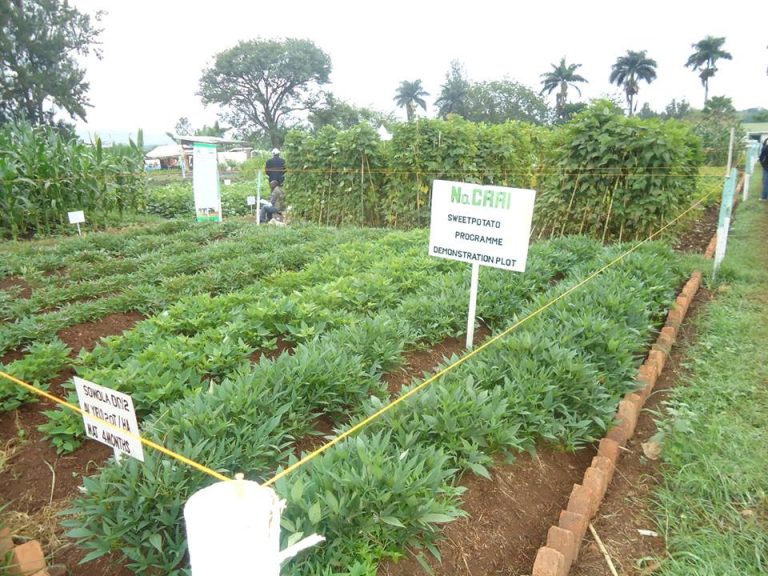
KAMPALA, Uganda -- Several genetically modified crops that are more resilient to drought, flooding, saline or acid soils and temperature extremes resulting from climate change are already being researched in Uganda and are in advanced stages. The enactment of an enabling law, the Uganda National Biosafety Bill 2017, is intended to enhance the development of modern biotechnology.