Category Enforcement

Internet Policy – Whois And GDPR: Sky Not Falling Just Yet?
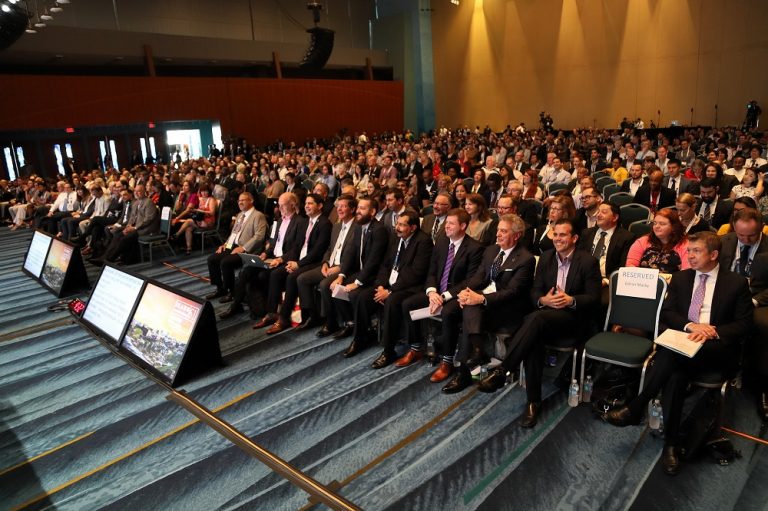
The struggle over how to comply with Europe's new General Data Protection Regulation dominates the agenda of the upcoming meeting of the Internet Corporation for Assigned Names and Numbers (ICANN) in Panama. With the basic question how much data ICANN can ask its contractual partners to collect and store about its domain name customers, ICANN this week opened another hot topic to be discussed when publishing a paper on unified access to registration data. Meanwhile, trademark owners weighed in.

Expert Group Meets Ahead Of This Week’s WIPO Genetic Resources Negotiations

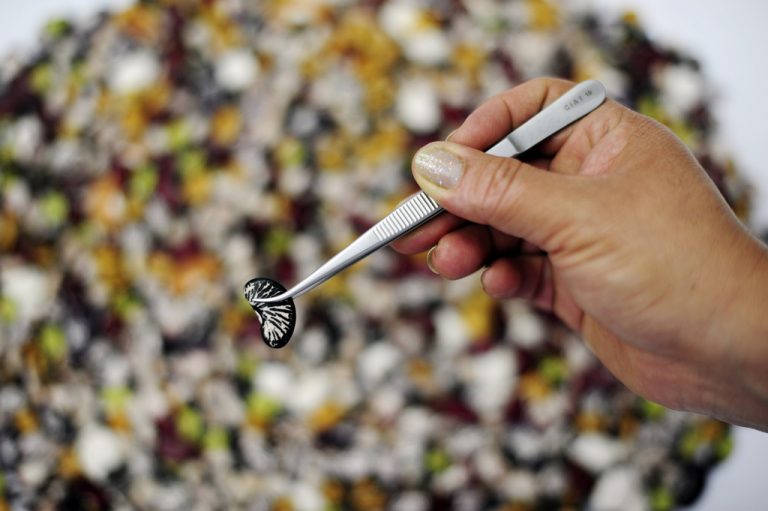
An expert group is meeting Sunday at the World Intellectual Property Organization, on the eve of a weeklong session of the WIPO committee on genetic resources and traditional knowledge. The expert group will address the most divisive issues in the discussions of the committee in charge of finding solutions to protect genetic resources, traditional knowledge and folklore against misuse and misappropriation.

Data Localization (Nearly) Banned In EU

The European Parliament, Council and European Commission on 19 June cut a deal on a new regulation on the free flow of non-personal data. The regulation, which is expected to pass the final votes in Parliament and Council without further issue, is a European answer to concerns over potential data localization obligations, which came into some demand following the Snowden revelations about intelligence services hoovering data from netizens.

EU Copyright Reform Proposal Clears Lead Legislative Committee, To Cheers And Jeers

The European Parliament Legal Affairs Committee (JURI) adopted its report on the European Commission-proposed copyright in the digital single market directive yesterday. The vote, by the lead committee vetting the proposal, sparked a continuation of the acrimonious debate that has raged for many months over several controversial provisions: The creation of a new right for online publishers and a requirement that Internet platforms monitor users’ uploads for copyright infringements. The narrow majority that approved the report by German Member of the European Parliament (MEP) Axel Voss, of the European People’s Party, “suggests that the struggle is still long,” telecom consultant Innocenzo Genna blogged.

Прекратить неавторизованный доступ к генетическим ресурсам (а именно, Биопиратство): принцип ограниченной открытости

«Доступ к генетическим ресурсам» и «справедливое и честное распределение выгод от их использования» были камнем предкновения на всех тринадцати Конференциях сторон-участников Соглашения Организации Объединенных Наций от 1993 года о Биологическом разнoобразии (CBD). Слова в кавычках составляют третью задачу договора, которая переплетена с двумя первыми, а именно с задачей консервации и устойчивого использования. По первым буквам английского названия эта задача сокращенно обозначается как «ABS». Несмотря на 25 лет усилий и при размерах био-экономики порядка 1 триллиона долларов [1], было заключено немного контрактов [2]. И в этом малом количестве контрактов денежная часть так незначительна, что их участники не пожелали ее обнародовать. «Закон ABS Бразилии» от 2015, который вошел в силу 6 ноября 2017, позволяет чтобы отчисления от суммы продаж составляли всего одну десятую процента[3]. Используя выражение известного ученого-законоведа, потребитель платит «пшик» авторам биоресурсов.

US Imposes USD 50B In Tariffs On China For Forced IP/Tech Practices, Cybertheft

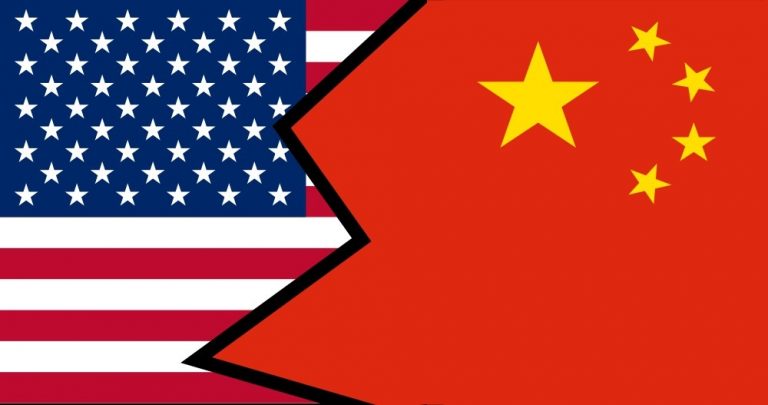
The United States today released a list of products imported from China to the US on which additional tariffs will be placed as a measure aimed at pressuring China to change its practices the US says force US companies to give up intellectual property and transfer technology. Some industries have been dropped from the list such as pharmaceuticals, while a second list has now been announced, officials told reporters this morning.

World’s 5 Largest IP Offices Name Artificial Intelligence A Top Strategic Priority

The heads of the patent offices of China, Europe, Korea, Japan and the United States met today and declared artificial intelligence one of the top strategic priorities for them as a group. Other efforts included work on harmonising patent practices, the Global Dossier program, classification of new technologies, and patents and standards, according to a release.

Countries Discuss Prospect Of Plurilateral Agreement On Genetic Resources Protection

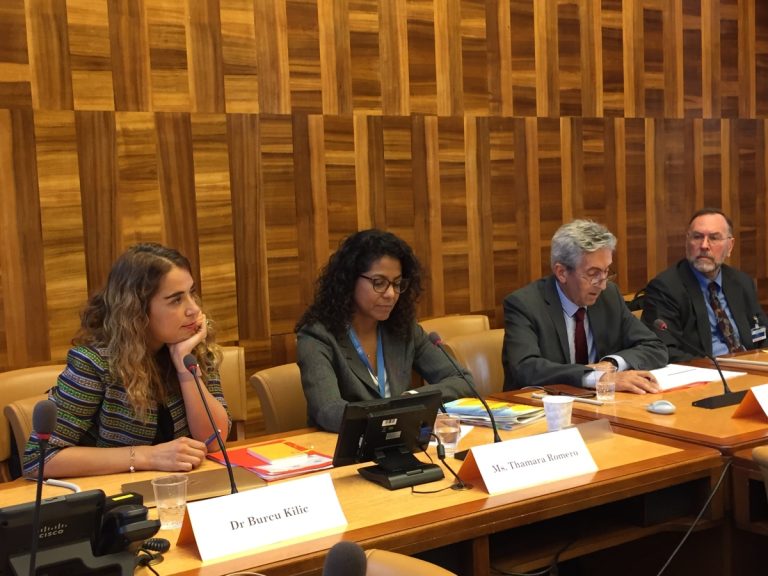
Faced with a longstanding lack of progress at the World Trade Organization and the World Intellectual Property Organization on the protection of genetic resources and traditional knowledge, some developing countries are examining the possibility of moving outside the multilateral system toward a plurilateral agreement with like-minded countries. During an international conference last week, panellists pondered the prospects of such an option.

Indigenous Peoples Seek Involvement In WTO To Defend Rights (Video)

Indigenous peoples are losing their genetic resources and traditional knowledge and need to be involved in negotiations on World Trade Organization intellectual property rules and the UN Convention on Biological Diversity, representatives told a conference on the subject last week. In a podcast and video interview with Intellectual Property Watch below, the indigenous representatives explain their case.

En finir avec l’accès aux ressources génétiques sans autorisation (c’est-à-dire avec la biopiraterie): « l’ouverture limitée »

L' « accès aux ressources génétiques » et le « partage juste et équitable des avantages découlant de leur utilisation » s’est révelé un véritable casse-tête pour l’ensemble des 13 Conférences des Parties à la Convention des Nations Unies sur la Diversité Biologique (CDB). La formule, entre guillemets, qu’on désigne par l’acronyme « APA », se réfère au troisième objectif de la Convention, lequel est étroitement liée aux deux premiers, à savoir la conservation et l’utilisation durable de ces ressources. Malgré 25 années consécutives d’efforts et dans un contexte où le marché de la biotechnologie représente, annuellement, un trillion de dollars, peu d’accords APA ont été conclus jusqu’ici. Les bénéfices monétaires des quelques contrats existants sont si faibles que les contractants répugnent à les dévoiler. La « législation APA brésilienne » de 2015, qui est entrée en vigueur le 6 novembre 2017, permet par exemple d’offrir des royalties jusqu’à un dixième de pour cent du chiffre d’affaire. Selon les termes d’un éminent juriste: « les usagers paient des cacachuètes pour se servir de la biodiversité ».