Category Enforcement

World IP Day: Women Are Celebrated But Gender Gap Persists

The annual World Intellectual Property Day (26 April) is dedicated to women this year at the World Intellectual Property Organization. On the occasion, several countries are organising an exhibition and the screening of a film celebrating the life of Hedy Lamarr. Austrian/American actress who was also an inventor.

US Supreme Court Rules Inter Partes Review Legal

United States Patent and Trademark Office inter partes reviews are legal and do not violate Article III of the Constitution or the 7th Amendment, the US Supreme Court said today. While the decision was expected, practitioners before the USPTO’s Patent Trial and Appeal Board can now rest easy, as one patent lawyer put it.

USPTO Seeking IP Attaché In New Delhi

The United States Patent and Trademark Office has attachés around the world specialised in intellectual property issues, including but not limited to enforcement. The office today announced an opening for a new attaché to be located in New Delhi, India, a key post.

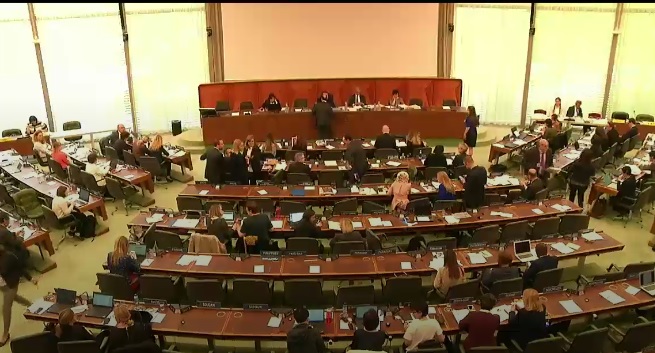
Protection Of New Technological Designs, Country Names, GIs At WIPO This Week

New technological designs, such as symbols, visual metaphors, and pointing devices are on the menu of this week’s meeting of the World Intellectual Property Organization committee on trademarks. The protection of country names against registration as trademarks and their use on the internet, and geographical indications are also prominent topics, and an information session will be held tomorrow. Discussions on a potential industrial design treaty will be kept for the WIPO General Assembly this fall.

Music Creators Unite To Lobby US Congress On Music Modernisation Act

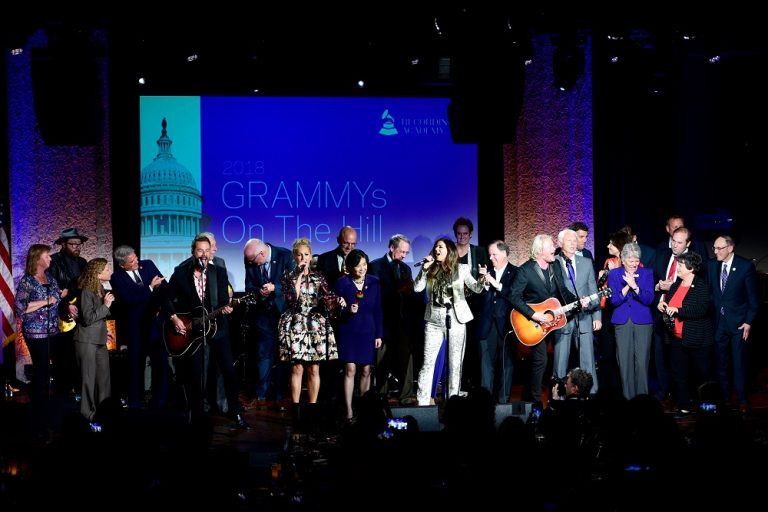
WASHINGTON, DC -- What better way to get the music community's message across than sending an army of creators to meet with policymakers. In a nutshell, that's the purpose of Grammys on the Hill, an initiative from the Recording Academy, which organises the prestigious US music awards, and which has also developed a strong advocacy activity.

Dozens Of NGOs Oppose Proposed EU Watch List On IP Rights

A wide-ranging list of international nongovernmental organisations today issued a letter to European Trade Commissioner Cecilia Malmström opposing a proposal to establish a "watch list" of countries deemed failing to protect European intellectual property. The groups raised concern that the list would violate World Trade Organization rules on intellectual property, have a chilling effect on developing countries' public health initiatives, and lead to expanded and untenable levels of IP enforcement.

China’s “Theft” Of Foreign Technology Prompts Unlawful US Response, Experts Say

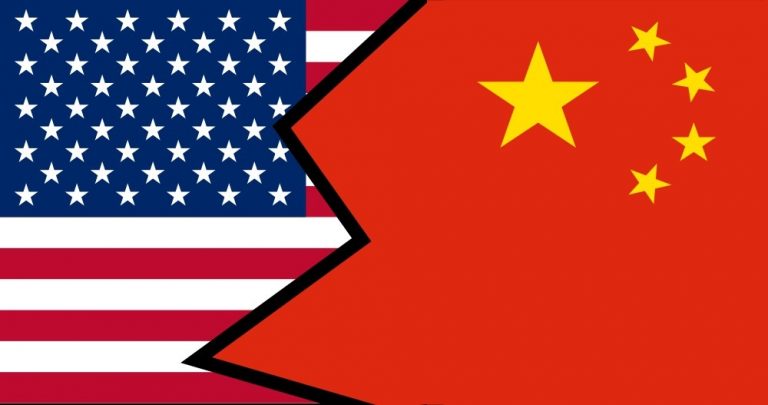
This time Donald Trump was correct: China has, for years, unfairly obtained and exploited American intellectual property and technology. But Trump’s response – imposing $50 billion in tariffs annually on a wide variety of Chinese imports – is problematic, experts warn. The tariffs appear to violate World Trade Organization rules, undermine the international rules-based economic order that has served the West well for decades, and threaten to ignite a trade war between the world’s two biggest economies.

Taiwan IP Office Moves Beyond Politics To Forge Links With Other IP Offices, Enforce IP Rights

TAIPEI, Taiwan -- The building is impressive. Taiwan’s intellectual property office, located in the Dan-an district of Taipei, deals with patents, trademarks, designs, and utility models. Not being a recognised member of the United Nations, Taiwan cannot access the World Intellectual Property Organization treaties, in particular the Patent Cooperation Treaty. However, Taiwan is dedicated to enforcing IP rights, and entertains agreements with several IP offices in the world, including China, which is Taiwan's major trading partner.

Ending Unauthorised Access To Genetic Resources (aka Biopiracy): Bounded Openness

“Access to genetic resources” and “the fair and equitable sharing of benefits arising from their utilization” have beleaguered all thirteen Conferences of the Parties to the 1993 United Nations Convention on Biological Diversity (CBD), a group of academics writes. The expression in quotes constitutes the third objective of the Convention and is intertwined with the first two, conservation and sustainable use. It goes by the acronym “ABS”. Despite 25 years of efforts and an annual bio-economy of nearly one trillion dollars, few contracts have ever been concluded. And of those very few, the monetary benefits are so low that contracting parties are loathe to disclose them. The “Brazilian ABS Law” of 2015, which came into effect on 6 November 2017, even allows royalties on net sales to be as low as one tenth of one percent. In the words of one distinguished legal scholar, Users are paying “peanuts for biodiversity.”