Category Enforcement

Alternate Dispute Resolution For IP Gains Momentum, Panellists Say At WIPO

Protecting an invention or a creation with intellectual property rights is only truly effective if inventors and creators can enforce those rights. Small and medium sized enterprises find it difficult and costly to go to court to sue potential infringers of their IP rights, and most time, just renounce, according to speakers at a panel on the side of the World Intellectual Property Organization General Assemblies this week. A much cheaper and quicker route than going to court is to seek dispute resolution through a dedicated service, the panellists said.
Protection Against Broadcast Signal Theft Steps Forward At WIPO General Assembly

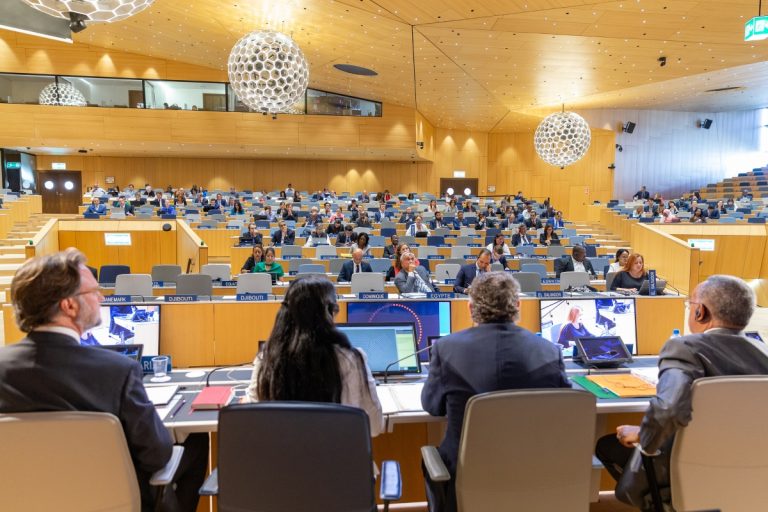
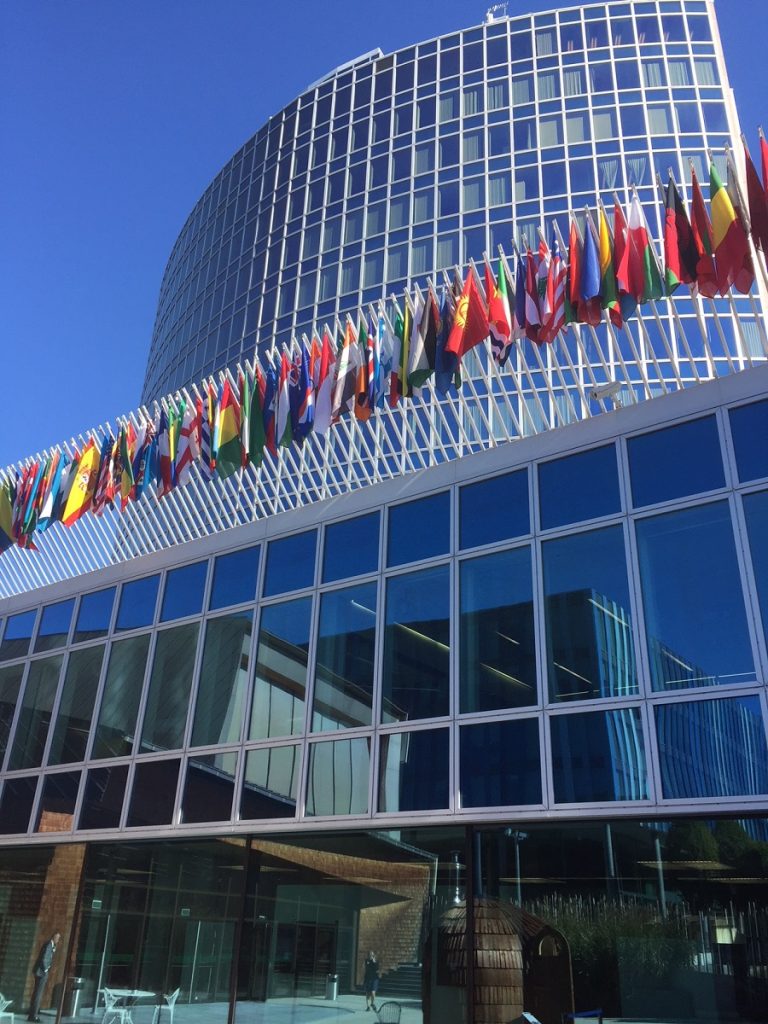
World Intellectual Property Organization members today reached consensus on the way forward on a potential treaty protecting broadcasting organisations from signal theft, elevating the prospect of a high-level diplomatic negotiating meeting on the horizon.

Interview With The Korea IP Office’s Acting Commissioner

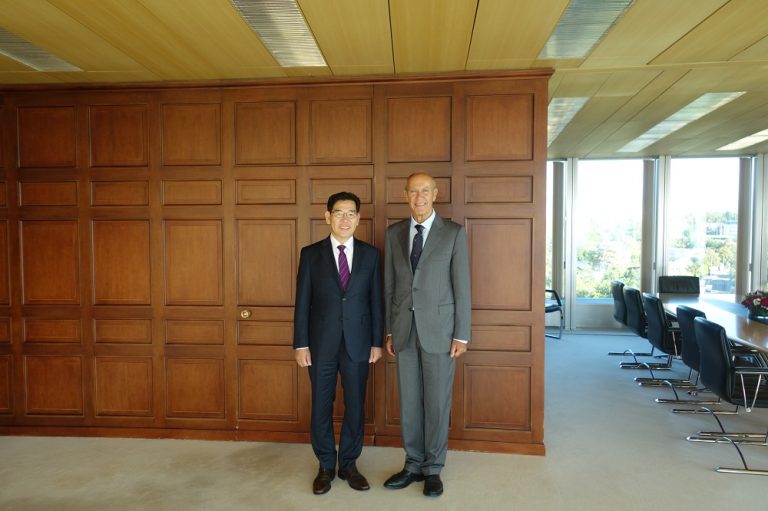
Korean Intellectual Property Office (KIPO) Acting Commissioner Kim Tae Man is attending the annual World Intellectual Property Organization General Assembly this week. In that context, he sat down with Intellectual Property Watch, and in a mutually prepared Q&A, he described some of KIPO’s policies and future plans, collaboration with WIPO, international partnerships, and regional efforts toward global harmonisation.

Why Follow-On Pharmaceutical Innovations Should Be Eligible For Patent Protection

Christopher M. Holman writes: Despite the important role of intellectual property rights in incentivizing innovation, the patenting of pharmaceutical innovation is frequently accused of impeding access to medicine. Criticism of the prevailing patent regime has focused in particular on patents directed towards follow-on pharmaceutical innovation, i.e., innovation that seeks to improve upon existing pharmaceuticals and their use in treating patients. Patents on follow-on innovation are often derided as “secondary” patents, with the implication that the underlying inventions are somehow lesser in nature than the subject matter claimed in “primary” patents, i.e., the drug active ingredient per se. While implicitly acknowledging the legitimacy of primary patents, critics of so-called secondary patents contend that patents on follow-on innovation allow drug innovators to “evergreen” their products, i.e., to extend the period of patent exclusivity beyond the expiration of any original patent on the drug active ingredient, and in doing so contribute to the high cost of drugs, thereby limiting the ability of patients to access the drugs upon which they have come to rely.

Analysis: Move To Contain Global Challenge By Ascending China At Play In Escalating Trade War Between Washington And Beijing

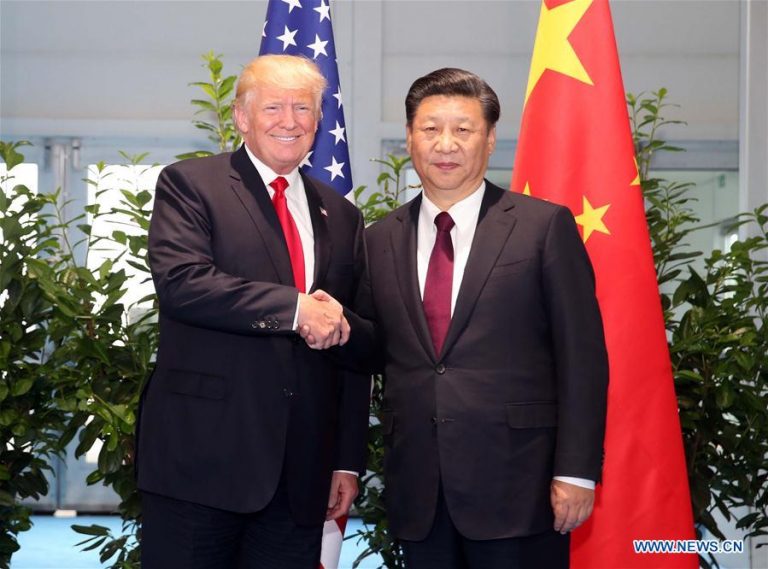
The latest escalation in US-Sino trade tensions following the announcement by President Donald Trump on 17 September that the US will slap 10 percent punitive tariffs on $200 billion worth of Chinese goods imports effective on 24 September and increase them to 25 percent on 1 January 2019, and China's counter-salvo announced on 18 September to impose tariffs of between 5 and 10 percent on $60 billion worth of US goods imports to kick in on 24 September may prove difficult to ease back from the brink.

European Parliament Approves Negotiating Stance On Copyright Reform

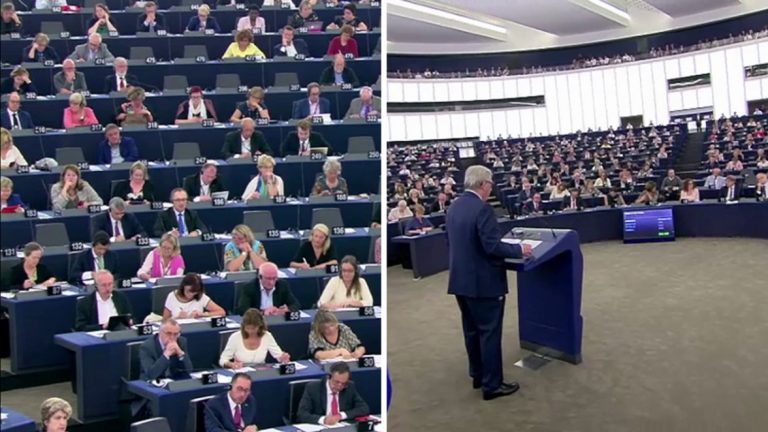
European Union lawmakers today approved by a 438-226 margin a measure updating EU copyright law and voted to begin negotiations with the European Commission (EC) and Council. The vote followed parliamentary rejection in June of plans to launch an immediate “trilogue” with the EC and Council based on text as approved by the lead Legal Affairs Committee (JURI), instead sending the measure for full debate at the September plenary held today.

European Commission Moves On Adoption Of WIPO GI Treaty; Timeframe Uncertain

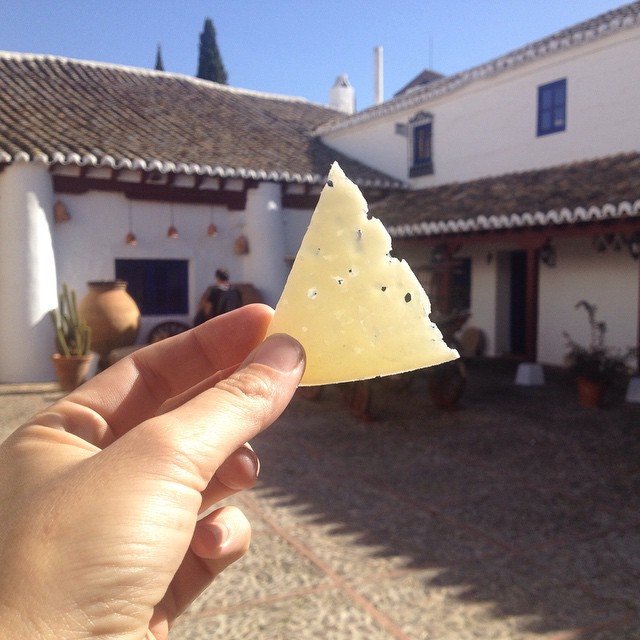
Over two years after a group of World Intellectual Property Organization members adopted a treaty on the protection of geographical indications, the European Commission has recommended that the European Union join the treaty. The EU was one of the major proponents of the treaty. Separately, a geographical indications industry group is urging EU attention to be placed on the need for legal certainty after the exit of the United Kingdom from the EU.

Not Just A Matter Of Matter: ‘The Way Forward’ For The UNCBD, NP And Half-Earth

Prof. Joseph Henry Vogel writes: Is information something or is it about something? That is essentially the question before the Fourteenth Conference of the Parties (COP) to the 1993 United Nations Convention on Biological Diversity (CBD), which meets from 19-27 November 2018. And it is a “$64 billion question”. The answer could determine the modality for “access to genetic resources” and “the fair and equitable sharing of benefits” (ABS), which is the third objective of the CBD. If the information conveyed in life is something, then the obligation of benefits could be orders of magnitude greater than if that same information is only about something. Re-phrasing the question: Are Users of genetic resources accessing information? Or are they accessing matter, the properties about which are diffused over organisms and jurisdictions? Information-as-the-answer leads to an economic rationale for tens of billions of dollars in payments per year. Properties-as-the-answer justifies the “peanuts” currently being paid.

WIPO Traditional Knowledge, Folklore Committee Closes In Consensus; Experts To Help

The World Intellectual Property Organization committee charged to find effective ways to protect traditional knowledge and folklore closed a weeklong meeting in consensus on several items, among which are two revised texts to be discussed further at the next session.

USTR: Mexico Agrees To Raise IP Enforcement Standards With The US

Mexico and the United States have reached a preliminary agreement to raise standards of enforcement of intellectual property rights, according to the Office of the US Trade Representative (USTR). Among the terms, the agreement appears to toughen requirements for internet service providers in protecting against copyright theft and extend copyright terms, and might make it harder for Mexico to agree elsewhere to strengthen its protection of geographical indications.