Category Enforcement

Experts In Geneva: Substandard, Falsified Medicines Not About IP

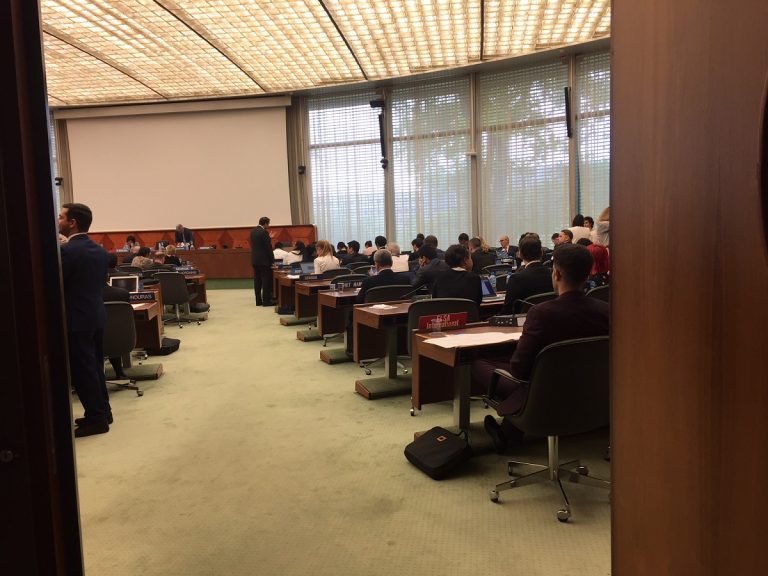
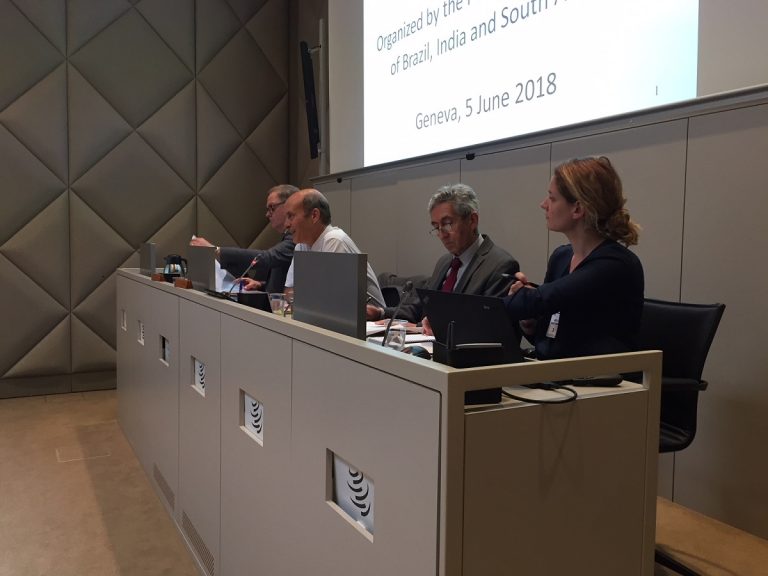
Falsified and substandard medical products continue to be a global concern, and how those products are characterised is important to avoid confusion, particularly with intellectual property rights infringement. A panel convened by Brazil, India and South Africa yesterday at the World Trade Organization looked at the implications of a new definition of such products at the neighbouring World Health Organization.

Terminando con el acceso no autorizado a los recursos genéticos (biopiratería): Apertura delimitada

El “acceso a los recursos genéticos” y “la participación justa y equitativa de los beneficios que provienen de su utilización” han atribulado las trece Conferencias de las Partes del Convenio de las Naciones Unidas sobre la Diversidad Biológica(CDB), que entró en vigor en 1993. La expresión entre comillas se conoce por sus siglas en inglés como “ABS”. Es el tercer objetivo del Convenio, entrelazado con los primeros dos, que son la conservación y el uso sostenible. A pesar de 25 años de esfuerzos y una bioeconomía de casi un trillón de dólares, pocos son los contratos de acceso que han sido celebrados. De esos pocos, los beneficios monetarios son tan bajos que las partes contratantes (y otros actores) son reacias a divulgarlos, bajo la excusa de “confidencialidad por sensibilidades comerciales”. La ley brasileña de ABS de 2015, que entró en vigor el 6 de noviembre de 2017 por ejemplo, permite que las regalías de las ventas netas sean tan bajas como la décima parte de uno por ciento. En palabras de un erudito jurista, los Usuarios pagan “una miseria por la biodiversidad”.

WIPO Copyright Committee Opens With Ideas, Questions On Internet, Terms Of Protection

This week's meeting of the World Intellectual Property Organization copyright committee opened today with what officials perceived as good momentum. Argentina tabled a proposal to help discussions on deferred transmissions in the context of a potential treaty protecting broadcasting organisations, which have been a sticking point in negotiations. Civil society, however, voiced concerns on the provisions of a potential treaty protecting broadcasters against signal piracy, underlining the 50-year envisioned protection and the need to carve out strong limitations and exceptions.

Africa Takes Steps For Access To Medicines: Conference To Fight Fakes, Develop Local Production

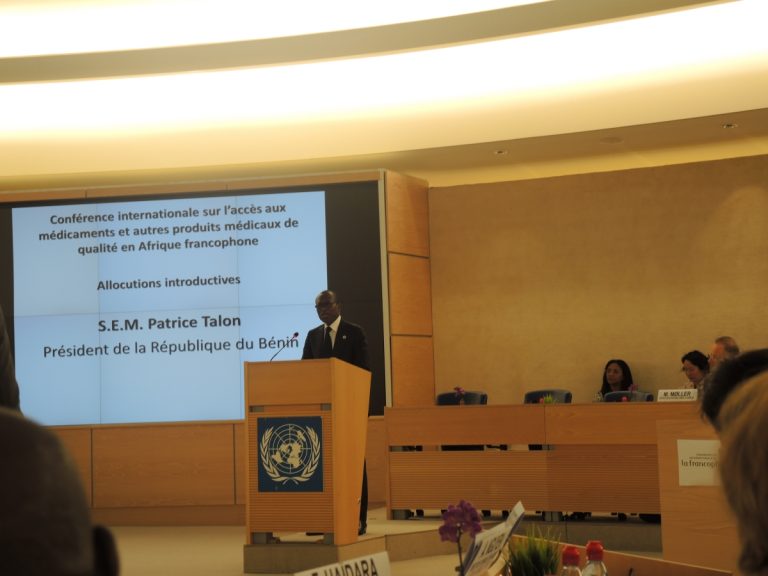
A week after African ministers of health adopted a treaty for the establishment of an African Medicines Agency, an international conference held on the side of the World Health Assembly denounced the rampant and increasing issue of fake medicines in Africa, and the lack of adequate action and political will. The Benin president said Benin's efforts to fight traffickers is so far unsupported, and called developed countries to commit to the fight. Other speakers insisted on the importance of local production of medicines, and the need for biting legislation to defeat fake medicines.

OECD Issues Paper On Blockchain And Competition Policy

The disruptive blockchain technology has been making waves, especially with Bitcoin and smart contracts taking centre stage. For some, it calls for a wide range of regulatory issues to be addressed, including patentability and more recently, competition-related concerns. Accordingly, the Organisation for Economic Cooperation and Development (OECD) hopes to assimilate contributions from stakeholders through its Blockchain Technology and Competition Policy Issue Paper.

EU-US Comparison & Guide On Copyright Link Liability – An Update

Ed Klaris and Alexia Bedat write: An update to our article reviewing US and European law/recent developments in link liability in both the copyright and defamation contexts and providing a checklist of questions an attorney (or editor) ought to ask before deciding, prepublication, whether a proposed link may lead to liability in the US and/or the EU. Updates include the recent Goldman v. Breitbart decision in which a Federal Judge concluded that embedding a Tweet can be copyright infringement.

USTR Annual Special 301 Report Intensifies Action On China, Colombia, Canada

The annual report of the Office of the United States Trade Representative (USTR) on the adequacy of trading partners’ protection of US intellectual property rights celebrated its 30th year this year with a sharper tone with China, in keeping with the Trump administration’s tough stance on the country. Also caught in the report are Colombia and Canada, which were downgraded to the “priority watch list.” Also, this year the report includes a special highlight on pharmaceuticals and medical devices.

WIPO Members Energised On Protection of Country Names, GIs, New Technological Designs

The World Intellectual Property Organization committee on trademarks concluded early today with plans for further work and a full week session for the next meeting. Member states are called into action to provide inputs so that the WIPO secretariat can come up with questionnaires on the protection of new technological designs, such as icons, and on the protection of geographical indications. Another issue for which member states are asked to contribute inputs in how to protect country and geographical names.