Category Enforcement

How International IP Policy Reconfigured National Politics: An Interview With Prof. Ken Shadlen
The recently published book Coalitions and Compliance by Professor Ken Shadlen of the London School of Economics examines how international changes can reconfigure domestic politics. Since the late 1980s, developing countries have been subject to intense pressures regarding intellectual property rights. These pressures have been exceptionally controversial in the area of pharmaceuticals. Historically, fearing the economic and social costs of providing private property rights over knowledge, developing countries did not allow drugs to be patented. Now they must do so, an obligation with significant implications for industrial development and public health. This book analyses different forms of compliance with this new imperative in Latin America, comparing the politics of pharmaceutical patenting in Argentina, Brazil, and Mexico. The book focuses on two periods of patent politics: initial conflicts over how to introduce drug patents, and then subsequent conflicts over how these new patent systems function. Intellectual Property Watch recently conducted a Q&A with Prof. Shadlen, which appears below.

US IP Law – A Look At The Year Ahead

In the coming year, one US Supreme Court case promises to dominate developments in America’s IP law. The upcoming decision in Oil States Energy Services v. Greene’s Energy Group could have major ramifications for patents, copyrights, trademarks, and the USPTO. But even as that case steals the limelight, 2018 could bring other significant changes to America’s IP law. Here are some of the key developments to watch for.

WIPO Respect For IP Conference To Be Held This Year In South Africa

In 2018, the World Intellectual Property Organization and other major international organisations are planning the second international conference on "Respect for IP," referring to raising awareness of and building strategies for enforcement of intellectual property, this time in South Africa.

Year Ahead: US Music Sector Calls For Major Legislative Changes To Copyright In 2018

The music community is ramping up its efforts to have significant new copyright legislation approved by United States Congress in 2018, amid key changes in the legislative apparatus, with the elevation of Rep. Jerold Nadler (D-New York) as the Ranking Member of the House Judiciary Committee, a pivotal role that puts him at the heart of the US legislative system, and the retirement of the Committee's current Chairman, Bob Goodlatte (R-Virginia), at the end of the year.

WTO Stalemate Concerns Include Non-Violation Complaints, E-Commerce; TRIPS Health Amendment Extended

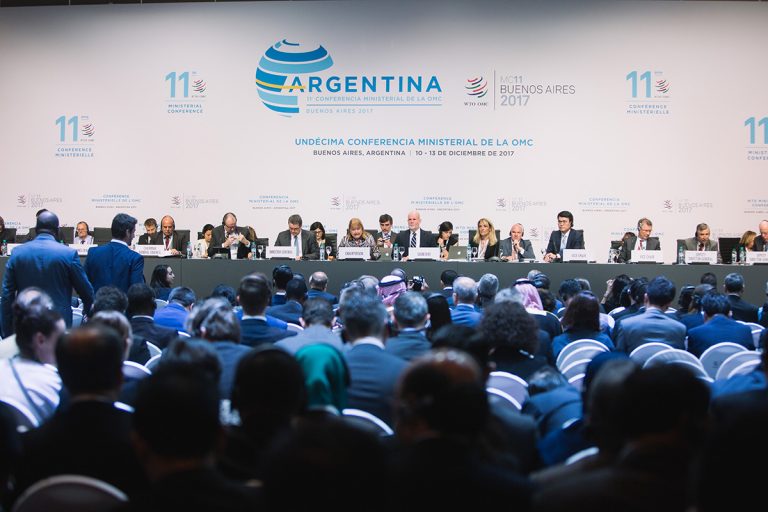
A few weeks after the failure of the World Trade Organization ministerial meeting in Buenos Aires to cut deals advancing issues from fisheries to e-commerce, some governments and trade experts around the world are concerned about the WTO’s future. Meanwhile, a couple of intellectual property-related provisions moved ahead after the ministerial without change.

Top IP-Watch Stories Of 2017: What Do They Tell Us About Multilateral IP Policy?

What IP-Watch stories were readers reading most in 2017, and what does it say about the state of global intellectual property policy? In this article, we look at the most-trafficked stories of last year, and make a few assumptions. Asia, Europe, trade, health. These were the top targets of interest to readers among our offerings. Interestingly, despite all the sound and fury in Washington, our coverage there was not at the top of the list. Even more interestingly, neither was our extensive and world-leading coverage of the World Intellectual Property Organization.

South Africa’s Push For Knowledge-Based Economy Through IP

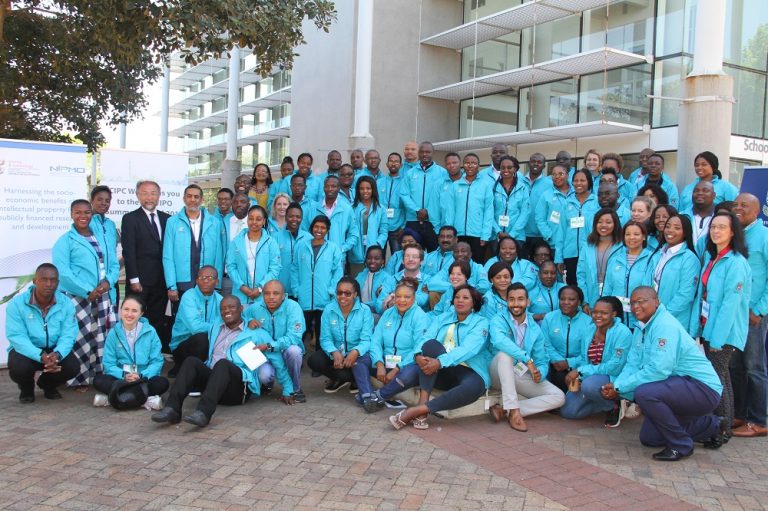
CAPE TOWN, South Africa – “If you want to create a knowledge-based economy and be part of it, be players not observers. There isn’t a stronger backbone than having an understanding of what IP is.” This statement was made by Mmboneni Muofhe, Department of Science and Technology (DST) deputy director general for technology and innovation, at the ninth Intellectual Property Summer School held at the University of the Western Cape (UWC) in December. The meeting brought together students, lawyers, scientists and different professionals drawn from Africa and other parts of the developing world for a ten-day intensive programme in intellectual property.

State Hacking An Option To Overcome Encryption, IGF Hears

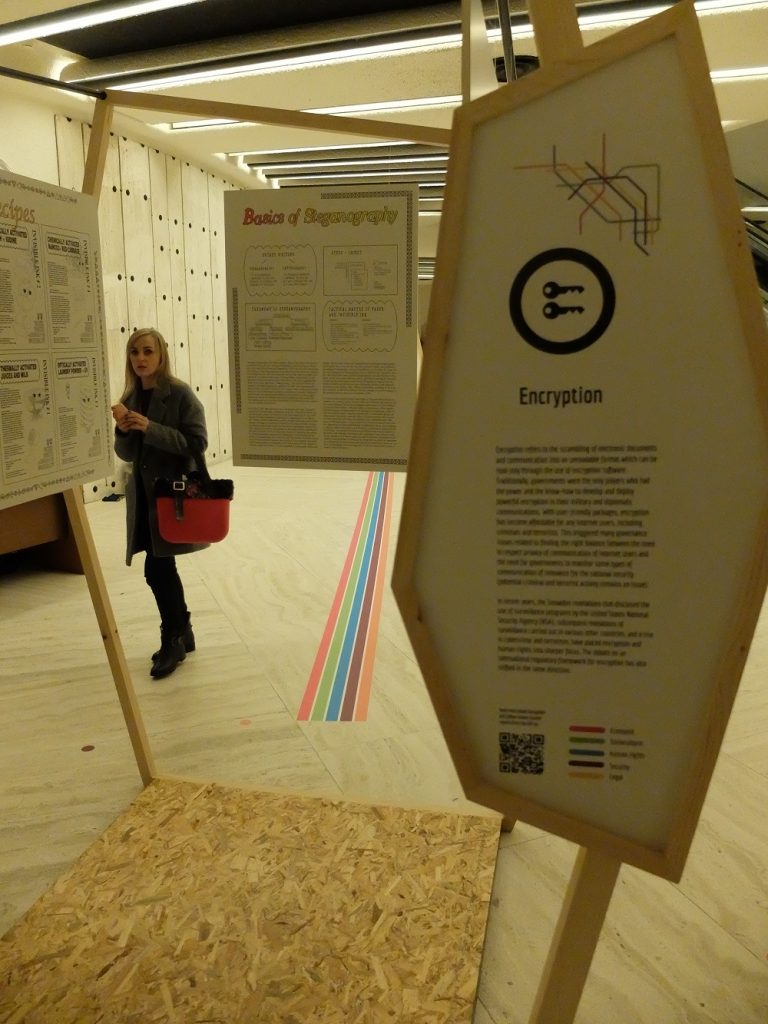
The days of unfettered access to internet content are over, Riana Pfefferkorn of the Stanford Center for Internet and Society told government representatives during a panel dedicated to state interference in encryption, organised by Brazil's registry Nic.br and CGI.br at the 12th Internet Governance Forum this week in Geneva. “Governments have to adapt,” the cryptography researcher said. A concern is, though, that governments will adapt by either lashing out to get backdoors in code, weaken encryption or legalize state hacking.

US Vote On Net Neutrality Could Affect The World, UN Rapporteur Says

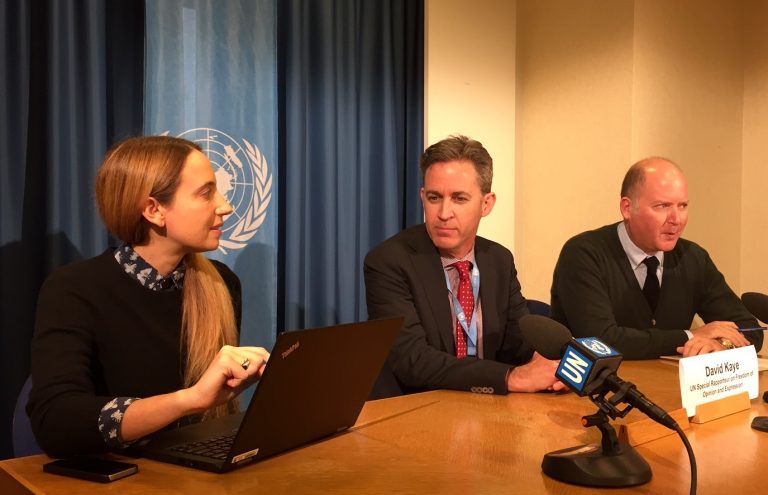
The recent decision by the Trump administration in the United States rolling back the internet neutrality is of concern and in the long term could have effects beyond US borders, David Kaye, the United Nations special rapporteur on freedom of opinion and expression, told a press briefing today. He also commented on the negative effect of the social media model, in particular Facebook on small independent media outlets, but said the issue of the control of the internet is not limited to Silicon Valley companies.

From The IGF: Next Steps In Open Source? Open Source Hardware

Open source software today has won in some ways, activists said at the regular Open Source Software Workshop at the 12th Internet Governance Forum in Geneva today.