Category Development

WIPO Genetic Resources Expert Group Ponders Disclosure Requirement, Databases

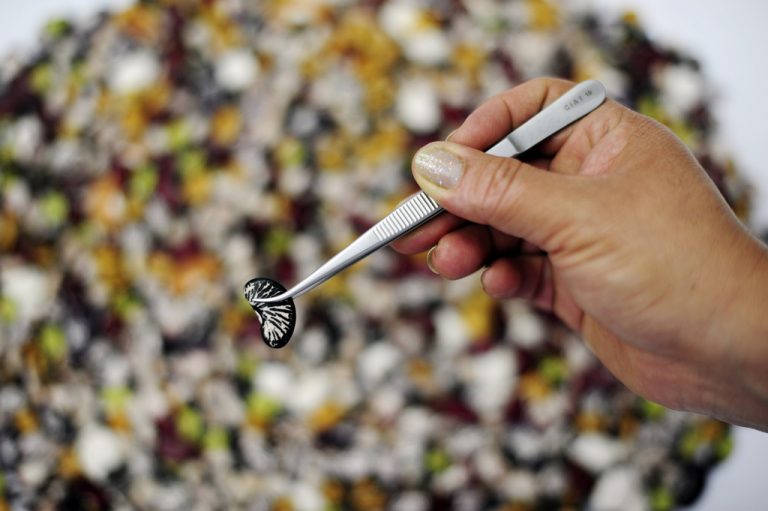
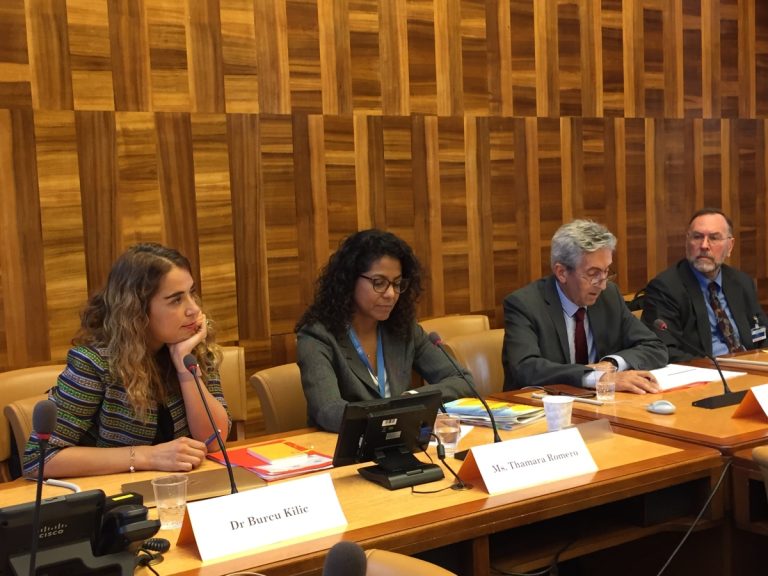
On the eve of this week's meeting of a World Intellectual Property Organization committee on genetic resources, an expert group met behind closed doors to discuss some of the more difficult issues. The report of the expert group to the full committee on 25 June confirmed differences but also common views and avenues to be explored, and has been carried into the week.

US Raises Economic Concerns About Proposals At WIPO On Patents And Genetic Resources

Normally known for sanguine views of rules to strengthen intellectual property rights globally, the United States government this week submitted a paper at the World Intellectual Property Organization putting forward private sector economic concerns about proposals to strengthen international rules for patenting of genetic resources aimed largely at helping developing countries.

Expert Group Meets Ahead Of This Week’s WIPO Genetic Resources Negotiations

An expert group is meeting Sunday at the World Intellectual Property Organization, on the eve of a weeklong session of the WIPO committee on genetic resources and traditional knowledge. The expert group will address the most divisive issues in the discussions of the committee in charge of finding solutions to protect genetic resources, traditional knowledge and folklore against misuse and misappropriation.

The Myth Of IP Incentives For All Nations – Q&A With Carlos Correa

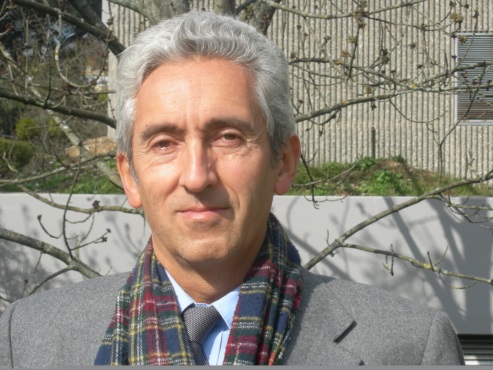
Dr Carlos Maria Correa, an Argentinian economist and lawyer, is globally renowned for his expertise on international trade, intellectual property, health, technology transfer, investment policy and especially their impact on developing countries. He has authored several books and academic articles and been a visiting professor at several universities. Additionally, he has consulted with many United Nations agencies, the World Bank, and other regional and international organisations and has advised several governments on intellectual property, innovation policy and public health. Correa was a member of the UK Commission on Intellectual Property, of the Commission on Intellectual Property, Innovation and Public Health established by the World Health Assembly and of the FAO Panel of Eminent Experts on Ethics in Food and Agriculture.

Currently, he is the Director of the Centre for Interdisciplinary Studies on Industrial Property and Economics Law, at the University of Buenos Aires. He takes over as the Executive Director of the Secretariat of the Geneva-based South Centre from 1 July 2018. Correa recently engaged in an interview with Patralekha Chatterjee for Intellectual Property Watch. [Note: this interview is number two of two. The first was with Dr Othoman Mellouk.]

The Myth Behind Health And Trade Agreements – Q&A With Othoman Mellouk

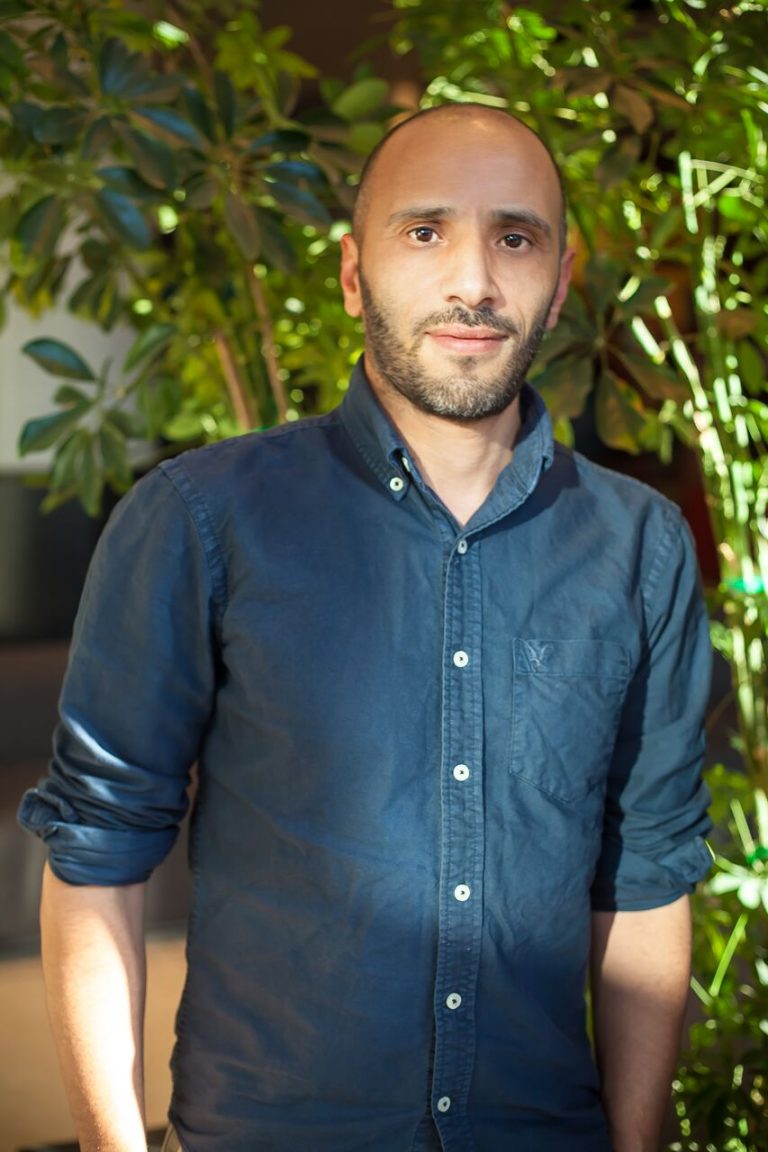
Dr Othoman Mellouk is a Moroccan treatment advocate who has been working on intellectual property and access to medicines for more than a decade. He is the Intellectual Property and Access to Medicines Lead at the international treatment preparedness coalition (ITPC), a global network of people living with HIV and their advocates working together to achieve access to HIV and Viral Hepatitis and a member of the WHO Strategic and Technical Advisory Committee on HIV and Hepatitis. Dr Mellouk started off in the Association for the Fight against AIDS which has been at the forefront of the response to HIV in Morocco and the introduction of the first anti-HIV generic medicines in the country. In a series supported by the Make Medicines Affordable organisation, Mellouk recently engaged in an interview with Patralekha Chatterjee for Intellectual Property Watch. [Note: this interview is one of two. An interview with Carlos Correa will follow.]

Deference, Not Delegation! – WIPO PCT Negotiations

A new PCT Proposal seeks to amend the PCT Regulations so as to provide Member States to enter into a voluntary or opt-in arrangement that would allow such Member state to ‘outsource’ it’s patenting mechanism to another country/ regional treaty office even if it is not a member of such regional treaty. However, a patenting office with a full-fledged examination cadre acts a core component in capacity building for the Member State and serves to protect against imposition of TRIPs plus provisions by being an active part of the national policy discourse. Instead of opting in for full-fledged ‘outsourcing’ of their patenting function, it may be a better idea (in the long term) to develop their internal patent office cadre, develop appropriate IP policies best suited to their stage of development and at the same time, giving deference to the patenting decisions of like-minded countries. Developing countries will stand to benefit more by showing deference to decisions of like countries, rather than delegating the power to make those decisions. By granting a Contracting state the power to grant and reject patents of another State, this proposal could tantamount to introducing substantive patent law provisions through the backdoor: an endeavour to harmonize substantive patent law that the WIPO has failed to achieve over the years.

World’s 5 Largest IP Offices Name Artificial Intelligence A Top Strategic Priority

The heads of the patent offices of China, Europe, Korea, Japan and the United States met today and declared artificial intelligence one of the top strategic priorities for them as a group. Other efforts included work on harmonising patent practices, the Global Dossier program, classification of new technologies, and patents and standards, according to a release.

Countries Discuss Prospect Of Plurilateral Agreement On Genetic Resources Protection

Faced with a longstanding lack of progress at the World Trade Organization and the World Intellectual Property Organization on the protection of genetic resources and traditional knowledge, some developing countries are examining the possibility of moving outside the multilateral system toward a plurilateral agreement with like-minded countries. During an international conference last week, panellists pondered the prospects of such an option.

Indigenous Peoples Seek Involvement In WTO To Defend Rights (Video)

Indigenous peoples are losing their genetic resources and traditional knowledge and need to be involved in negotiations on World Trade Organization intellectual property rules and the UN Convention on Biological Diversity, representatives told a conference on the subject last week. In a podcast and video interview with Intellectual Property Watch below, the indigenous representatives explain their case.

Opportunities, Risks Of Rapid Technological Change Discussed At UN

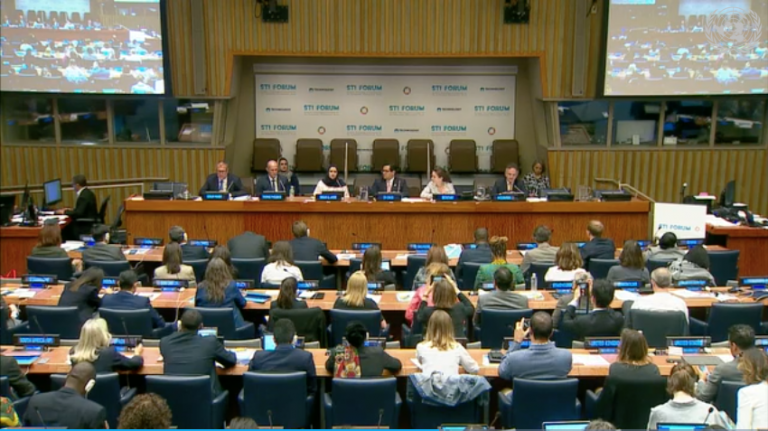
The Third annual United Nations Multi-stakeholder Forum on Science, Technology and Innovation for the Sustainable Development Goals opened with Marie Chatardová, president of the Economic and Social Council, stating that “STI is shaping the trajectory of our society, helping the world address global challenges and achieve Sustainable Development Goals.”