Category Development

The Patent Paradox In Brazil And Its Implications For Access To Medicines

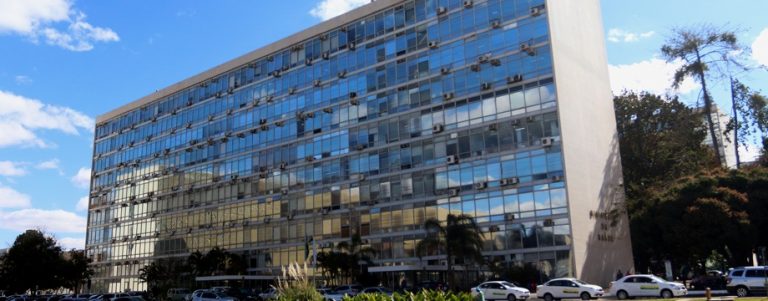
Brazil is frequently pointed to as one of the countries in which fewer pharmaceutical patents are granted. The fact that there is a low number of patents granted could lead to the conclusion that medicines can be bought under competition and that the prices would be low. However, many medicines in Brazil are bought exclusively from one producer and usually at high prices. The situation of few granted patents, but many purchases under exclusivity due to absence of competition (which can lead to higher prices), is what we are calling the ‘patent paradox in Brazil’. In the absence of granted patents, what are the factors that lead to the situation of no competition and high prices in Brazil? This is the question that we, at the accessibsa: Innovation & Access to Medicines in India, Brazil & South Africa, aim to answer with a study currently being conducted at the Department of Medicines Policy and Pharmaceutical Services (NAF) of the Sergio Arouca National School of Public Health – ENSP/Fiocruz.
TRIPS Flexibilities In High Demand

Using flexibilities in the World Trade Organization Agreement on Trade-Related Aspects of Intellectual Property Rights (TRIPS) has long been an issue of the developing world. But policymakers gathered at a meeting on access to health in Brussels today said there was an urgent need for European Union countries, too, to make more use of flexibilities.

Artificial Intelligence For Good: 3 Days To Discuss AI Solutions

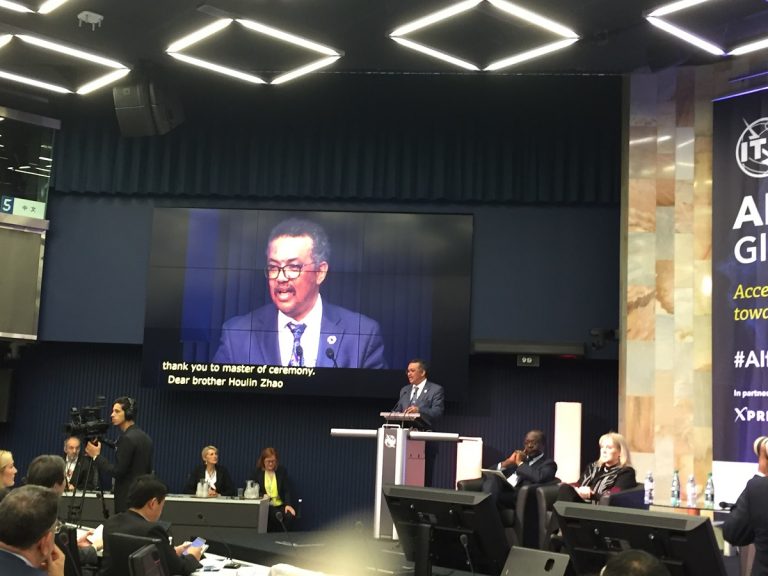
The second edition of an annual global summit on “artificial intelligence for good” spearheaded by the UN International Telecommunication Union opened today. A focus of the summit is how artificial intelligence can help advance the United Nations Sustainable Development Goals. The opening statements by UN heads, including the World Health Organization, showed growing interest in new technology to help in all kinds of areas such as health and agriculture.

WIPO Development Committee Opens With Focus On SDGs, Tech Transfer, New Projects

The World Intellectual Property Organization Committee on Development and Intellectual Property opened today with an agenda of issues such as the development dimension of IP, technology transfer, and how WIPO can participate in the achievement of the United Nations Sustainable Development Goals. Meanwhile, new development projects proposed for WIPO work would focus on women, software, and tourism.

Collective Efforts By Civil Society Groups Bar The Way To Hepatitis C Patents

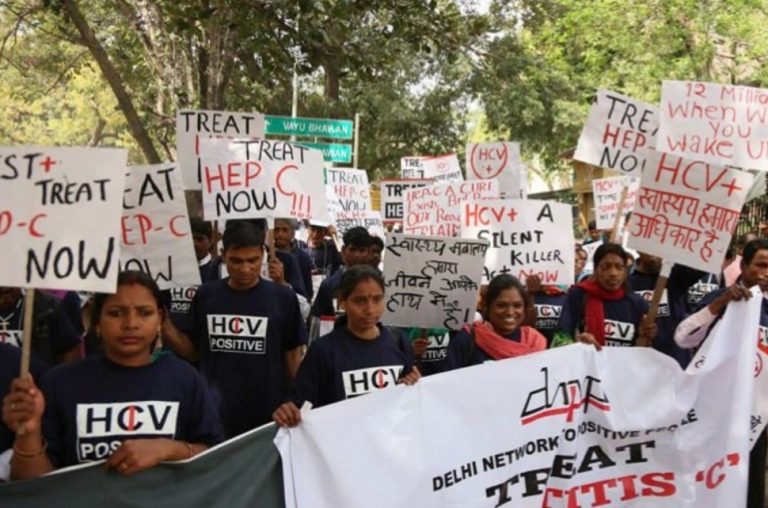
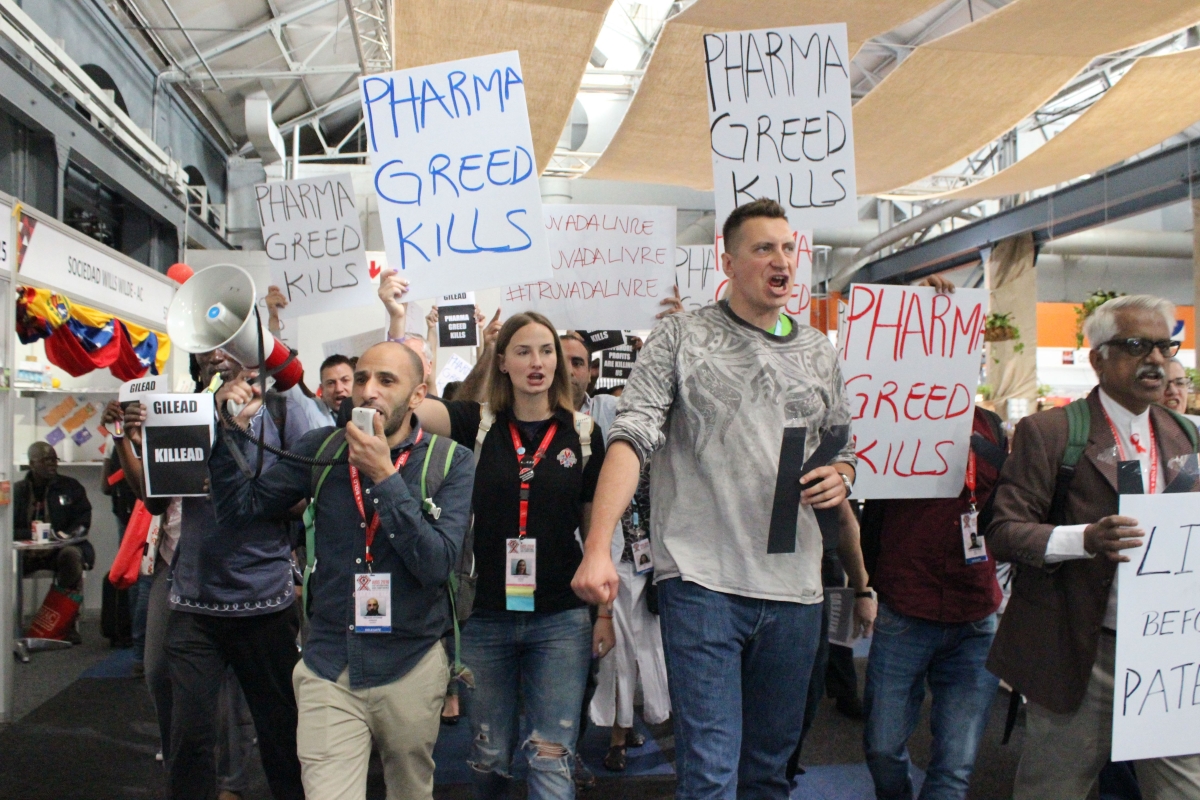
Many hold the view that Gilead’s revolutionary treatment against hepatitis C (sofosbuvir) marked the beginning of a shift in position toward the high prices of medicines, as high-income countries were also faced with an untenable burden to their health systems. In a number of lower and middle-income countries, civil society organised itself to increase access to sofosbuvir for millions in need.

Civil Society Key In TRIPS Flexibility Implementation

When the agreement on intellectual property was adopted by the World Trade Organization, a number of flexibilities were included in the text, mainly to give developing countries policy space to implement the agreement with development considerations. However, some countries through lack of awareness or economic pressure have not used those flexibilities fully, and found themselves facing difficulties addressing their public health needs, which some associate with this failure to use the flexibilities. Civil society has engaged in notable efforts to counter pressure and raise policymakers' awareness for a wider access to medicines.

Brazil’s Federal Court Reviews Medicines Mailbox Patents

This week the media reported that the Brazilian federal court removed the patent protection for eculizumab, sold under the brand name Soliris by Alexion Pharmaceuticals Inc. Eculizumab is used in the treatment of paroxysmal nocturnal hemoglobinuria (PNH), a rare and life-threatening blood disease. The product was approved by the US FDA for this indication in 2016. Brazil’s health care system spent $184.2 million to treat 442 patients with Soliris, an average of over $416,000 per patient. The patent office expects that more revocations may follow. This blog explains why this is.

World Health Assembly 2018 Preview: Guide To Key Issues

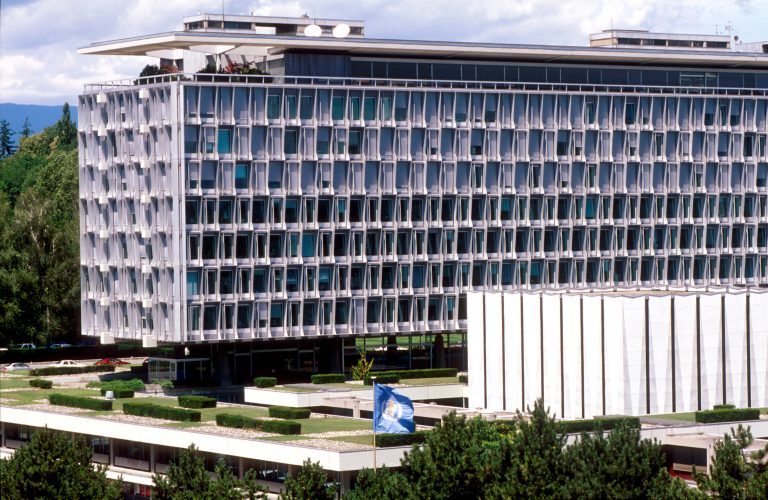
The World Health Organization celebrated its 70th anniversary last month. Since the inception of the organisation, the world has changed, and so have its challenges. The global rise of non-communicable diseases is one example of those challenges, as well as the escalating prices of new medicines and chronic access issues in many countries. The annual World Health Assembly will open on 21 May with an ambitious new General Programme of Work for 2019-2023, which promises 1 billion more people under universal health coverage.

The Changing Copyright Climate And WIPO: Interview With IPOS Chief Executive Daren Tang

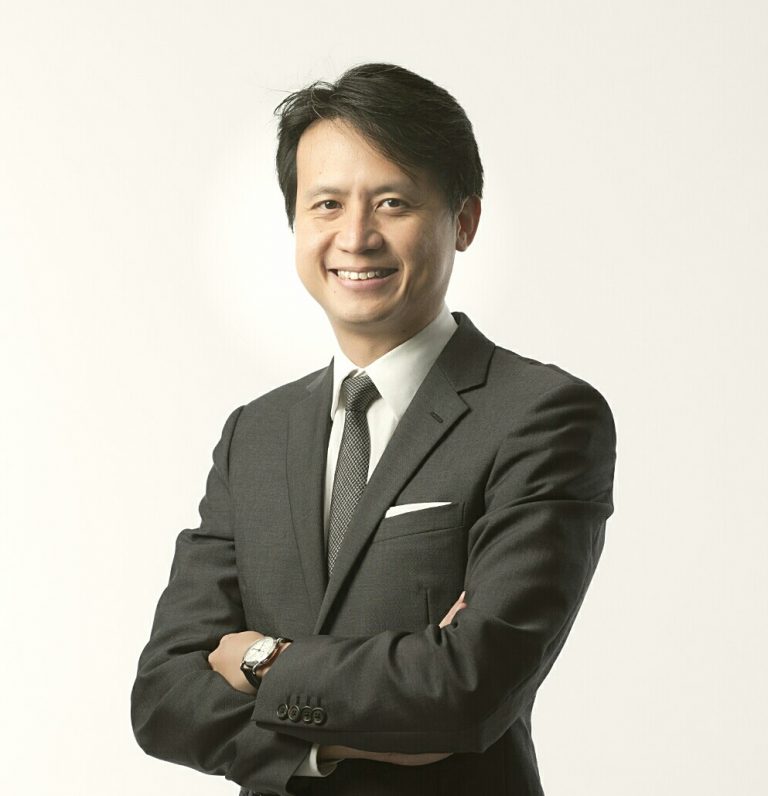
The copyright committee of the World Intellectual Property Organization is meeting at the end of May with some complex issues on the agenda that may see new approaches for moving them forward, including the protection of broadcasting organisations, and limitations and exceptions to copyright for certain actors such as libraries and archives. Daren Tang, the chair of the committee, and chief executive of the Intellectual Property Office of Singapore (IPOS), recently engaged in an interview with Intellectual Property Watch's Catherine Saez, providing his insights on the discussions, changes in the world affecting copyright, and what to expect of the next session of the committee.