Category Development

Brazilian Supreme Court Refuses To Judge Its Biggest Case On IP And Access To Medicines, And Benefits Big Pharma With Undue Monopolies

Marcela Fogaça Vieira and Pedro Villardi write: The Brazilian Supreme Court (STF) has mysteriously cancelled the judgment of the most important case regarding intellectual property and health ever to be decided by the court. On 28 June, the date of the judgment was set for 6 September. The cancellation occurred on the eve of the judgment, something very rare in the practice of the Court. The lack of decision on the case only benefits the transnational companies awarded with hundreds of undue monopolies. Just a few days before, the President of the STF - Judge Carmem Lucia - had a meeting with Interfarma, the association of multinational pharmaceutical companies in Brazil.

Not Just A Matter Of Matter: ‘The Way Forward’ For The UNCBD, NP And Half-Earth

Prof. Joseph Henry Vogel writes: Is information something or is it about something? That is essentially the question before the Fourteenth Conference of the Parties (COP) to the 1993 United Nations Convention on Biological Diversity (CBD), which meets from 19-27 November 2018. And it is a “$64 billion question”. The answer could determine the modality for “access to genetic resources” and “the fair and equitable sharing of benefits” (ABS), which is the third objective of the CBD. If the information conveyed in life is something, then the obligation of benefits could be orders of magnitude greater than if that same information is only about something. Re-phrasing the question: Are Users of genetic resources accessing information? Or are they accessing matter, the properties about which are diffused over organisms and jurisdictions? Information-as-the-answer leads to an economic rationale for tens of billions of dollars in payments per year. Properties-as-the-answer justifies the “peanuts” currently being paid.

New Paper Looks At Differential Protection For Traditional Knowledge, Folklore

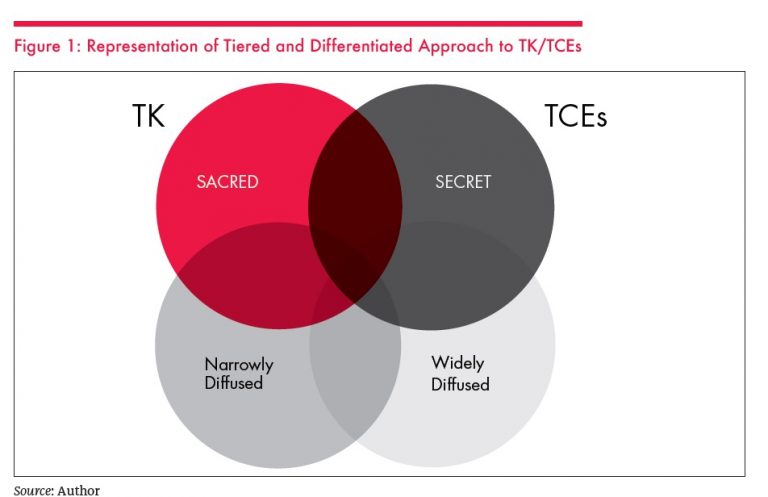
The protection of traditional knowledge and traditional cultural expressions (folklore) has been escaping consensus at the World Intellectual Property Organization for many years. One of the reasons for this lack of agreement is the particular nature of traditional knowledge and folklore. Some years ago, a new concept, calling for a different protection according to the degree of diffusion of this knowledge, gained support. A new paper looks into the benefits of this approach and its implementation in local contexts.

New Document On Traditional Knowledge, Folklore At WIPO; Chair Calls For New Conceptual Approach

The protection of traditional knowledge and folklore against misappropriation is a topic that has been occupying World Intellectual Property Organization delegates for close to two decades. This week a new draft document, presenting a proposed revision of a set of draft articles of potential treaties, was released by a drafting team. As some countries are keen on preserving their original language and ideas, the committee chair called for delegates to move on with their work, and lift themselves above how the patent and copyright system works.

Negotiators On UN TB Resolution May Have A Deal

NEW YORK – Negotiators for a United Nations declaration on tuberculosis, meeting intensively in New York this week, may have reached agreement today on a key sticking point related to intellectual property, innovation and access to new medicines, according to sources. An agreement, if accepted by other delegations, could allow the text to proceed to the high-profile High-Level Meeting scheduled to take place at the UN General Assembly next month.

Conceptualizing Minimum Core Beyond Affordable Goods And Services – Trade For Human Rights As A Minimum Core Obligation

Prof. Sakiko Fukuda-Parr writes: The conception of the Minimum Core Doctrine around low cost goods and services is unnecessarily restrictive. It is also out of line with concerns to meet pressing and priority health needs of the population. It departs from the original concept of obligations of immediate effect. It limits the consideration of the wide range of measures that national governments should take to expand the enjoyment of the right to health such as by reversing damaging policies or setting new ones. A salient example is policy choices governments might make in the area of intellectual protection provisions in free trade and investment agreements.

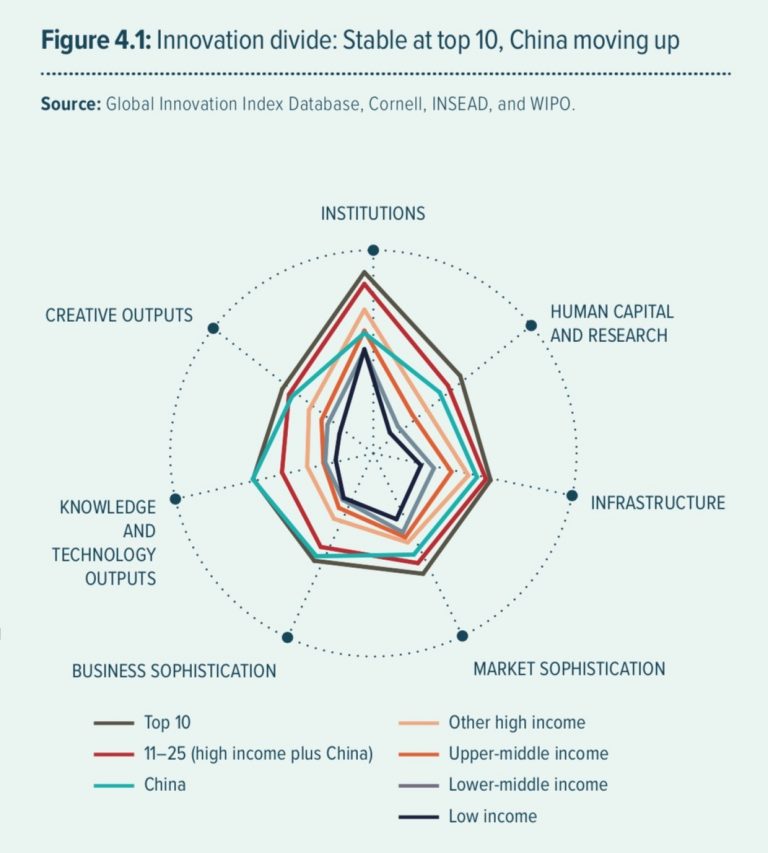
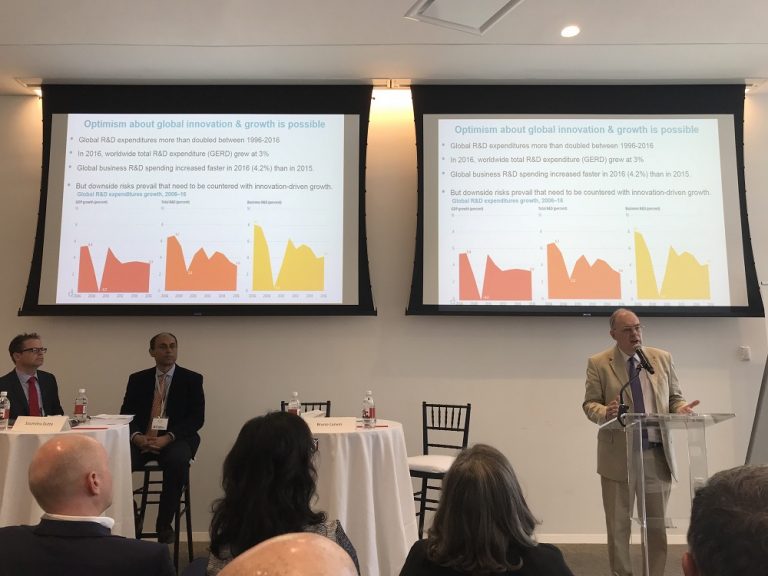
Global Innovation Divide: Can Investment In Innovation Bridge The Gap?

The Global Innovation Index 2018, launched on 10 July in New York, has lauded the rise of China as a model for how other low and middle-income economies can advance on innovation. Amid this optimism, however, the global innovation divide remains in step with the global income divide, raising questions for how to bridge this gap. The new index shows signs of progress.

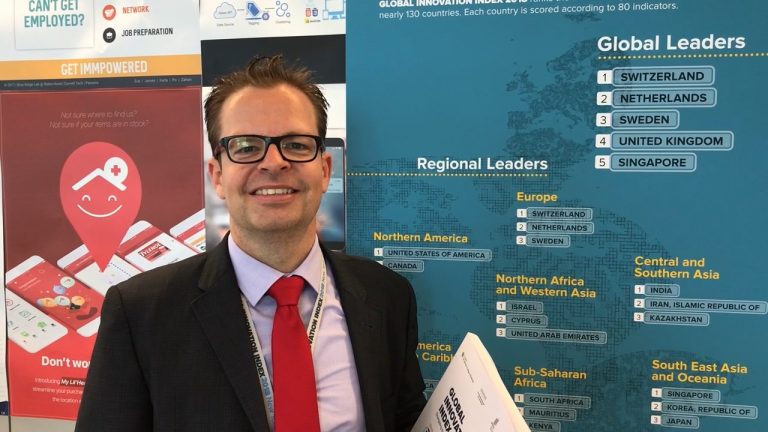
Global Innovation Index 2018: China Breaks Into Top 20, US Drops Out Of Top 5

NEW YORK -- The 11th edition of the Global Innovation Index 2018 (GII), co-published by Cornell University, INSEAD, and the World Intellectual Property Organization, was released yesterday at a launch event in New York. This year's report showed Switzerland still at the top overall, China continuing to rise, the United States slipping, and explored how countries can vary on inputs and outputs of innovation.