Category Development

Conceptualizing Minimum Core Beyond Affordable Goods And Services – Trade For Human Rights As A Minimum Core Obligation

Prof. Sakiko Fukuda-Parr writes: The conception of the Minimum Core Doctrine around low cost goods and services is unnecessarily restrictive. It is also out of line with concerns to meet pressing and priority health needs of the population. It departs from the original concept of obligations of immediate effect. It limits the consideration of the wide range of measures that national governments should take to expand the enjoyment of the right to health such as by reversing damaging policies or setting new ones. A salient example is policy choices governments might make in the area of intellectual protection provisions in free trade and investment agreements.
Global Innovation Divide: Can Investment In Innovation Bridge The Gap?

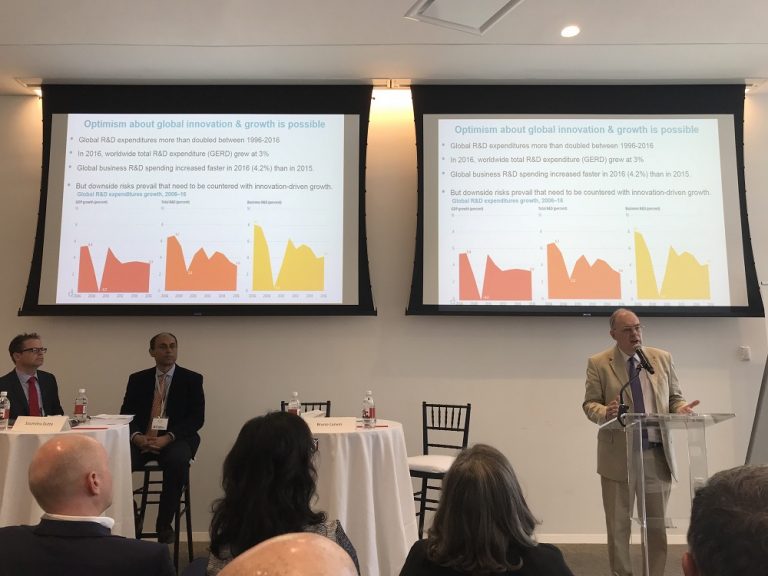
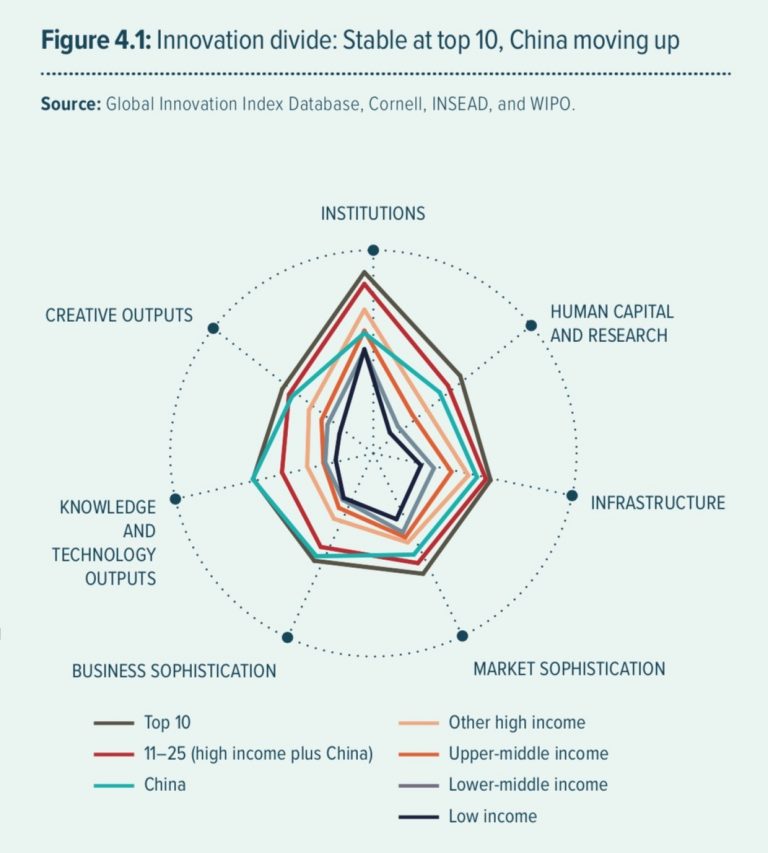
The Global Innovation Index 2018, launched on 10 July in New York, has lauded the rise of China as a model for how other low and middle-income economies can advance on innovation. Amid this optimism, however, the global innovation divide remains in step with the global income divide, raising questions for how to bridge this gap. The new index shows signs of progress.

(Video) Europe’s Innovation Renaissance, China’s ‘Astonishing’ Rise: Global Innovation Index 2018

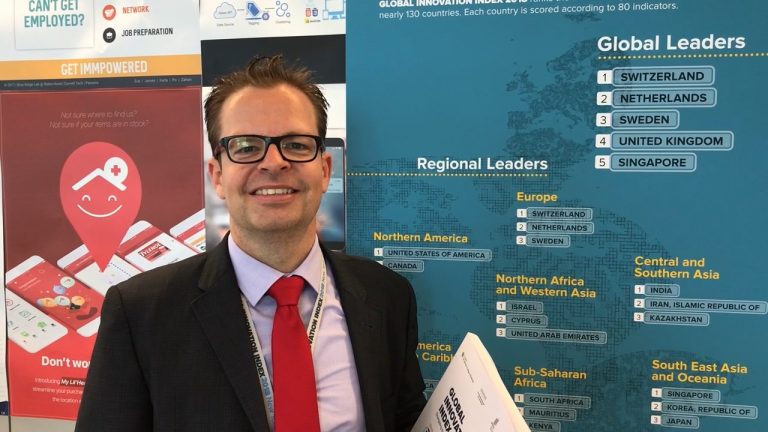
European countries led by Switzerland are experiencing an "innovation renaissance," this year's Global Innovation Index shows, while the scale of China’s rise in the index is “quite astonishing,” Sacha Wunsch-Vincent, senior economic officer at the World Intellectual Property Organization, says in a short video interview with Intellectual Property Watch.

Global Innovation Index 2018: China Breaks Into Top 20, US Drops Out Of Top 5

NEW YORK -- The 11th edition of the Global Innovation Index 2018 (GII), co-published by Cornell University, INSEAD, and the World Intellectual Property Organization, was released yesterday at a launch event in New York. This year's report showed Switzerland still at the top overall, China continuing to rise, the United States slipping, and explored how countries can vary on inputs and outputs of innovation.

Study Reconsiders “Public Domain” In The Protection Of Traditional Knowledge

A recent study has revisited the meaning of “public domain” in line with its usage in discussions on protection of traditional knowledge (TK). The study highlights that it provides a non-Eurocentric conception of “public domain” in order to recognise the customary laws and practices of indigenous and local communities (ILCs).

Monopolies: State And Corporate Interests Surrounding Access To Medicines

Amongst the many issues faced by developing countries to ensure access to medicines, cost is a primary one. Proposals to tackle it include limiting the price and regulating competitive conditions. Monopolies created by patents are seen by many as an impediment to accessing basic healthcare. Meanwhile, countries have realised that imposing stringent criteria for granting patents and taking a long duration to process them could be detrimental to them as much as resisting the regime.

WIPO Publishes Guide To Tackling Issues In Access & Benefit-Sharing Agreements

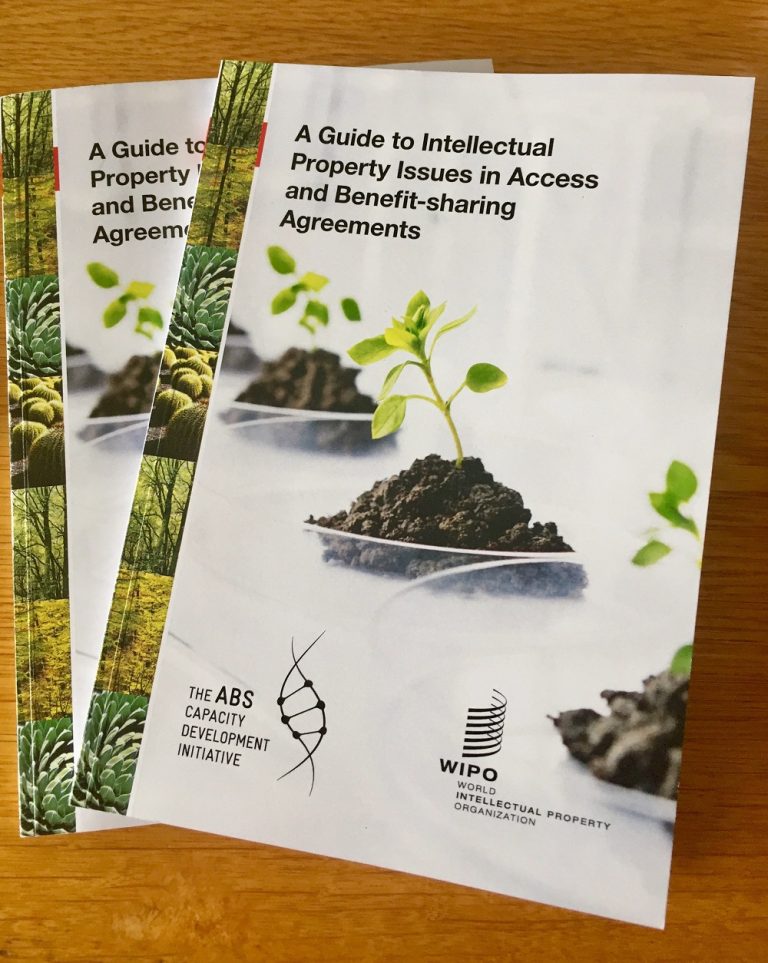
The World Intellectual Property Organization has published a guide to access and benefit-sharing agreements for use of genetic resources.

Leaders On Global Trade Discuss Leadership And Current Trade Challenges

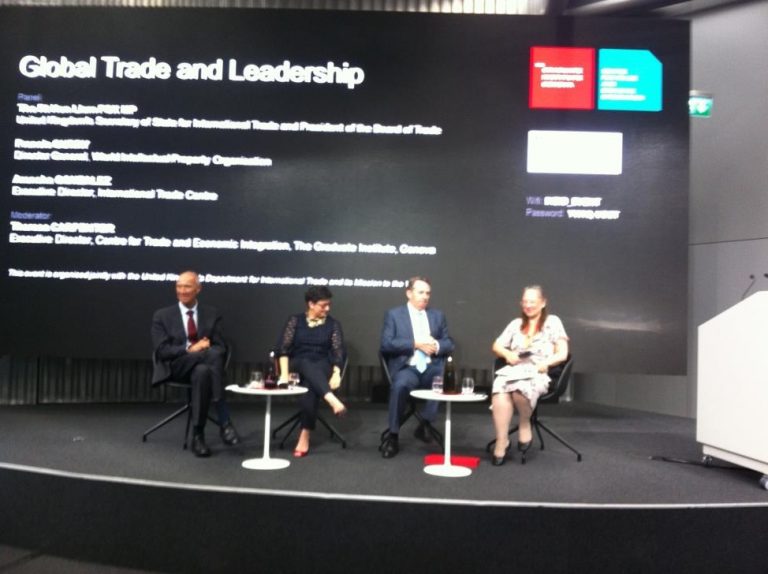
A recent event jointly organised by the Graduate Institute Centre for Trade and Economic Integration and the United Kingdom Department for International Trade and its Mission to the WTO brought together several leaders on global trade to discuss the current challenges in trade and how best to address them.

WIPO IP And Genetic Resources Committee Makes Progress Despite Block At End

It seemed last week that after years of mainly fruitless discussions at the World Intellectual Property Organization committee seeking ways to protect genetic resources, progress was achieved and some agreement was within reach. However, on the last day, the United States, supported by Japan, rose against the consensus on a draft text, provoking the ire of developing countries, and general disappointment.

Indigenous Knowledge Databases: Is It Something To Be Concerned About?

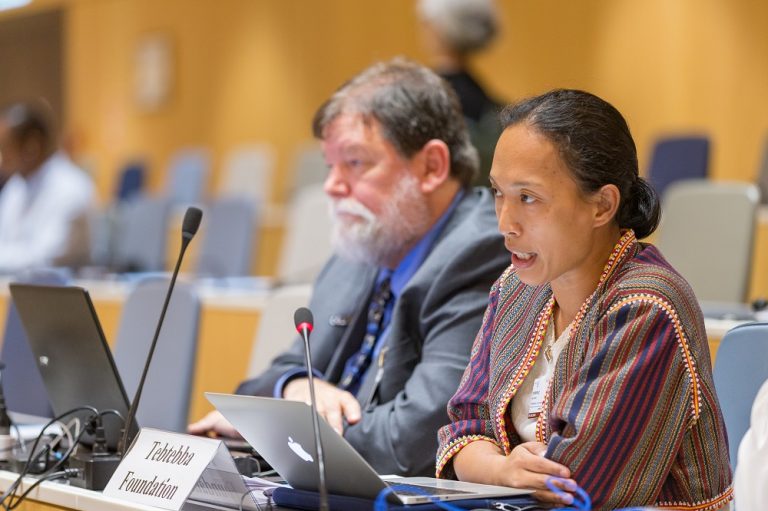
Almost all information today ends up in a database. It is organised and made readily accessible. While it sounds positive, for indigenous communities, it can be crucial. Databases of their knowledge, culture, and genetic resources, if misused, can undermine generations of community effort and maybe even their sustainability. A panel of indigenous peoples’ representatives presented their concerns about databases this week to governments attending a World Intellectual Property Organization meeting on genetic resources.