Category Development

Deadline Next Week For Swedish Sida Training On Genetic Resources And IP Regulation

Applications are due by 4 September for an all-expenses-paid Swedish International Development Cooperation Agency (Sida) Advanced International Training Programme aimed at building capacity in intellectual property and genetic resources in support of innovation.

INTA Pro Bono Trademark Clearinghouse Takes Off

This summer, the International Trademark Association (INTA), the global trademark industry group, launched a one-of-a-kind pilot program offering pro bono attorneys the opportunity to help nonprofits and others obtain and protect trademarks. And in its first weeks, it is already receiving submissions and a positive response, according to an INTA representative.

India Grants Pfizer Patent On Pneumonia Vaccine, Stokes Fear Of Unaffordability

MUMBAI (Reuters) - India has granted Pfizer Inc a patent for its powerful pneumonia vaccine Prevenar 13, in a blow to some health groups that said this would put the treatment out of reach of thousands in poorer nations.

South Africa Government Completes IP Policy, Plans To Publish It This Month

CAPE TOWN -- The Department of Trade and Industry (DTI) in South Africa has confirmed that the long-awaited national draft IP policy will be published in the Government Gazette this month. This comes after Cabinet approved the draft IP policy at its latest meeting last week.

Report From WHO Fair Pricing Meeting Shows Balanced Discussion

A wide range of governments and stakeholders attended a closed meeting in the Netherlands in May to address the ongoing problem of pricing medicines to pay for research and the resulting lack of affordability of those medicines. The report from the World Health Organization-led meeting shows a range of points were made by participants and signals a move to change the global policy.

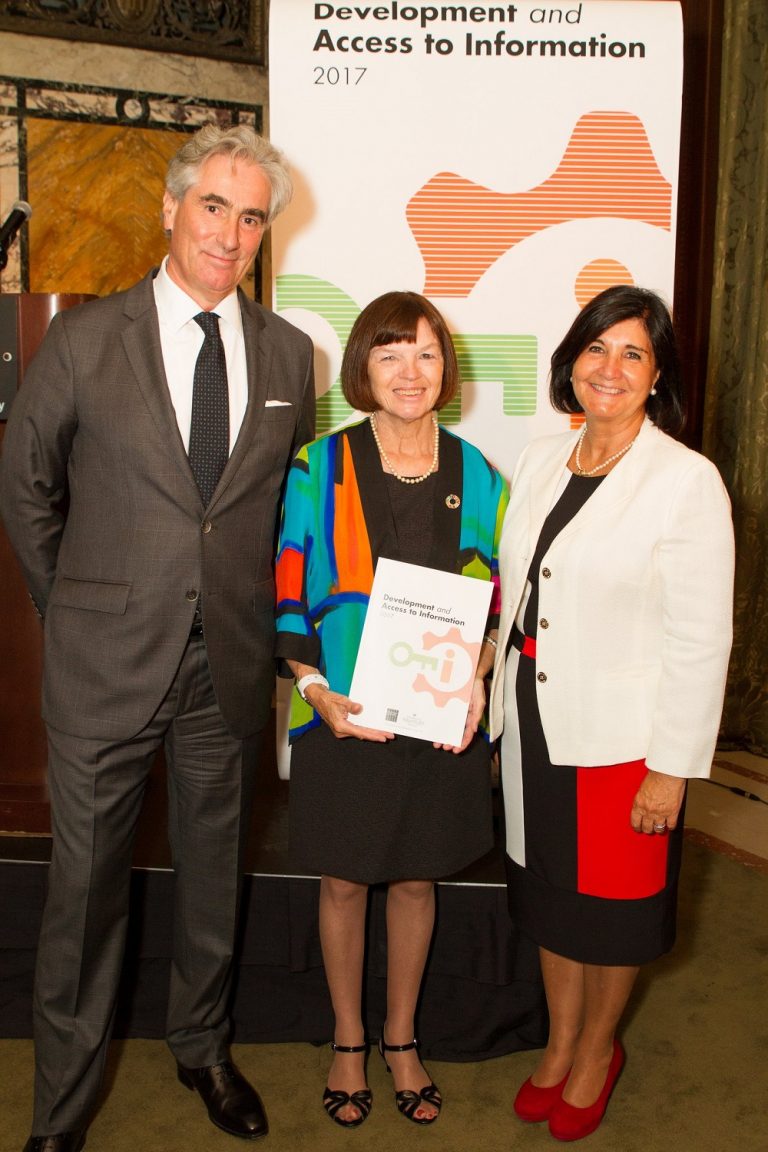
Information, Access, And Development: Setting A Course For The Sustainable Development Goals

Gerald Leitner writes: Information is the raw material for decision-making. When individuals and groups make the right choices, based on good information, their chances of taking a full role in economic, social, cultural and civic life improve. They can better create and innovate, participate in politics, find and do their jobs well, and live healthily.

Informed citizens and communities are also essential to the UN’s 2030 Agenda. We cannot have sustainable development when individuals are not able to deal with new choices and challenges autonomously, drawing on access to information. And we cannot have inclusive development, with no-one left behind, unless this access is real and meaningful for everyone.

Libraries have long sought to do this, making sure that the world’s heritage is preserved and made accessible, allowing the sharing of knowledge between institutions and across borders, and giving children, families, students and others the chance to enjoy works which they could never afford to pay for individually.


The Case For Nations To Act On Medicines Access

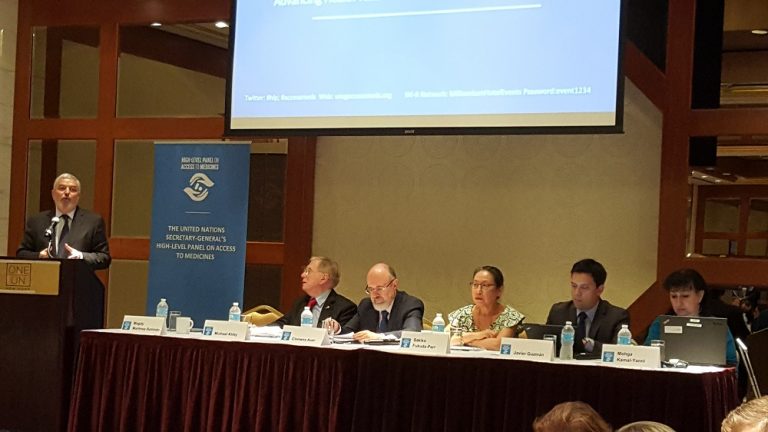
NEW YORK -- A range of speakers, including top health officials from both a developed and developing country, last week laid out the case for why the world’s leaders must now launch a shift in the way medicines all populations need are developed and priced. The need for global collaboration is clear, speakers said, but who will lead?

WHO Prequalifies First Generic Hepatitis C Drug And First HIV Self-Test

In the days before this month's AIDS conference being held in Paris, the World Health Organization has announced the prequalification of the first generic version of sofosbuvir, a "critical" medicine for treating hepatitis C. Treatment for hepatitis C under patent has been notoriously priced at extreme high levels, putting it out of reach of patients in economies of all sizes.

Without Understanding What Traditional Knowledge Is, We Cannot Utilize It Appropriately

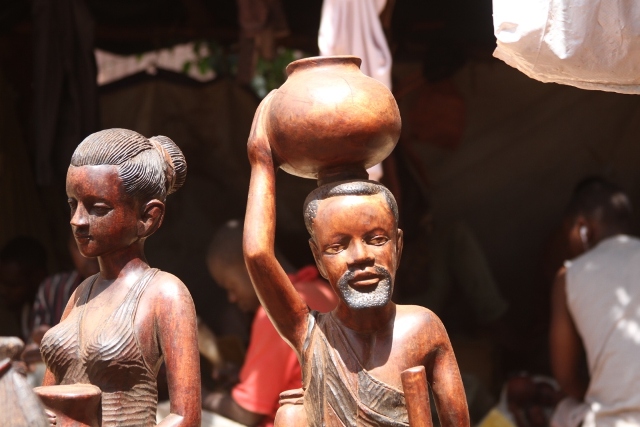
KAMPALA, Uganda -- For a long time, traditional knowledge and traditional cultural expressions were timidly recognised as intellectual efforts worthy of legal protection. Of recent, indigenous peoples, local communities, and some governments have demanded the recognition of traditional forms of creativity and innovation as protectable intellectual property.