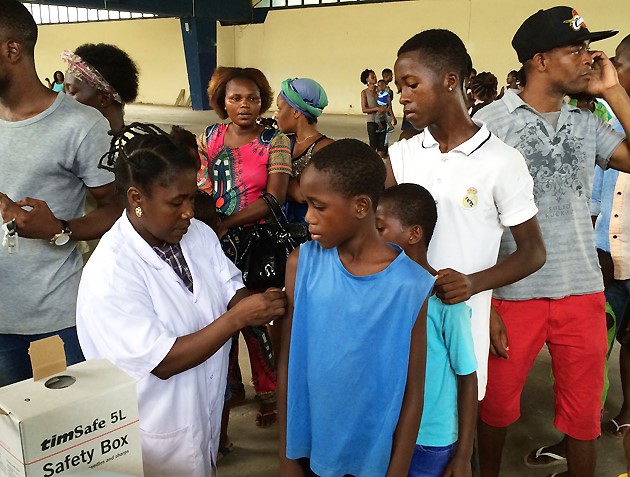
Enter The African Medicines Agency, Continent’s First Super-Regulator?
An African medicines agency, the continent’s first super-regulator, could be approved as soon as next year.

Original news and analysis on international IP policy
An African medicines agency, the continent’s first super-regulator, could be approved as soon as next year.
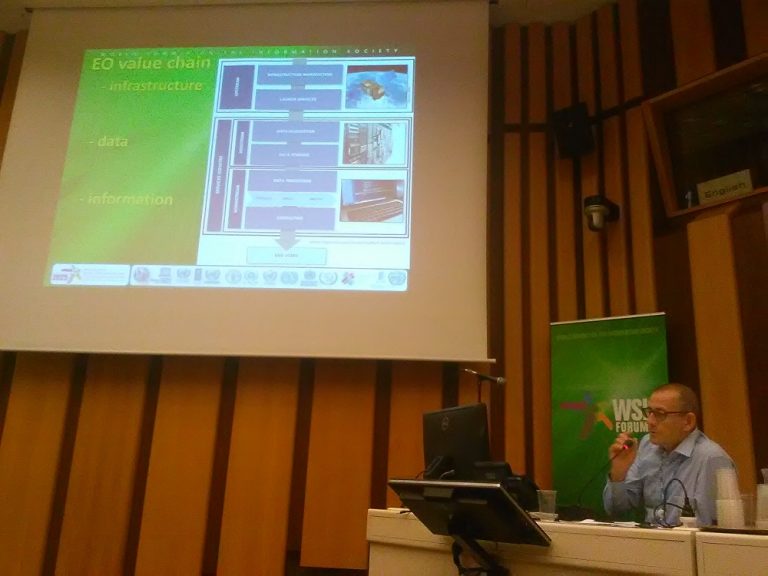
Remote sensing and geo-ICT are prime technological tools to achieve the United Nations Sustainable Development Goals (SDGs) by 2030, according to VITO, the Flemish Institute for Technological Research. But technology should not be considered as “deus ex machina,” a speaker added during the recent World Summit on the Information Society Forum (the WSIS Forum 2017).
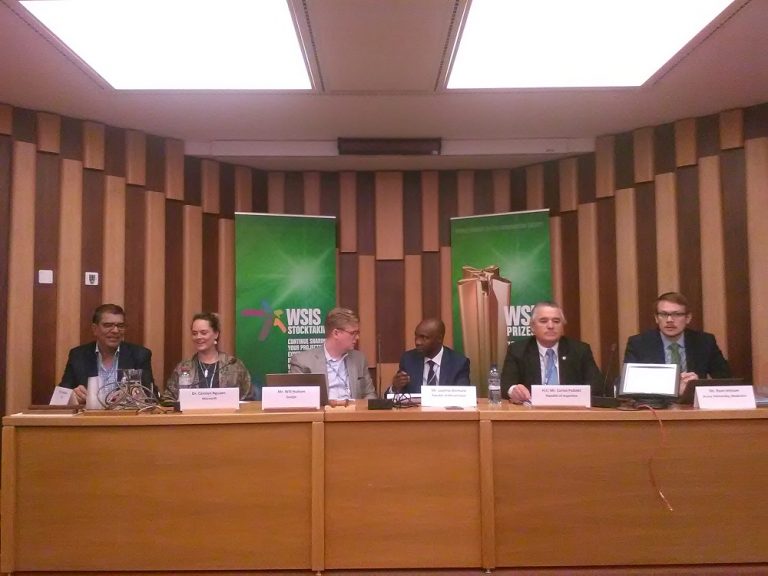
The lack of content on the internet in local languages and the lack of local digital skills, especially among women and girls, remain central challenges for the digital economy, speakers said during a panel discussion at the recent World Summit on the Information Society Forum 2017 (WSIS Forum 2017).
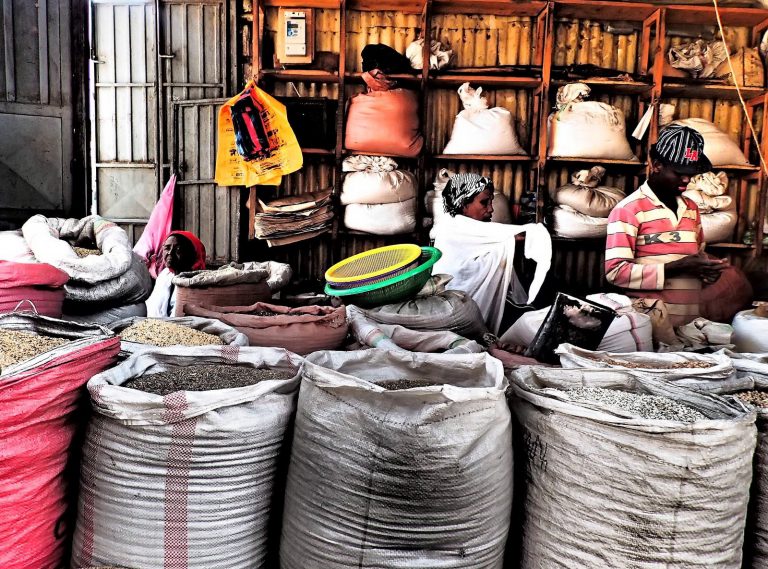
Can the farmer seed system most widely used in the world, and the system of seeds produced by plant breeders certified and protected by intellectual property rights, be complementary? The question was addressed during a recent webinar organised by the Global Forum on Agricultural Research, with no easy answers. In particular, speakers mentioned several challenges, including the lack of a common agreement on what are farmers' rights, and the inability for small farmers to register their seeds so they are protected, in particular against biopiracy.

The United Nations Human Rights Council today adopted a resolution on the right to health in relation to the UN 2030 Sustainable Development Goals (SDGs), including a call for medicines and vaccines access for all. The resolution also requested the UN human rights commissioner to report on the right to health.
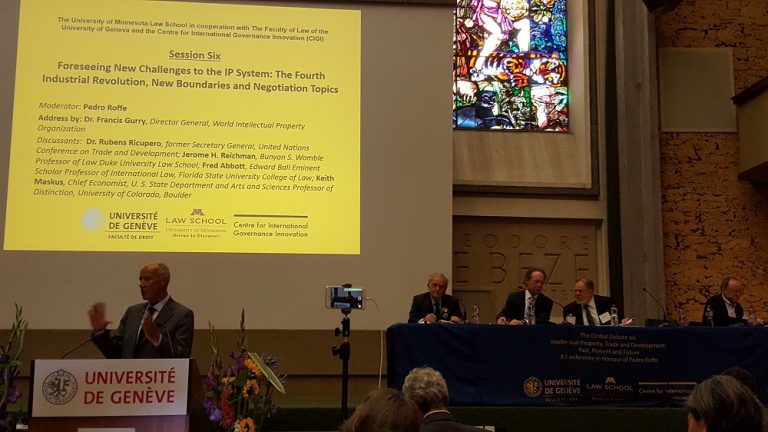
There are still many unanswered questions about intellectual property rights, speakers said during an academic conference last week in Geneva. Think tank analyst and author Pedro Roffe, who was the focal point of the conference, said at the event that there is “particularly in Geneva” place for dialogue about “very important and emerging” IP questions.
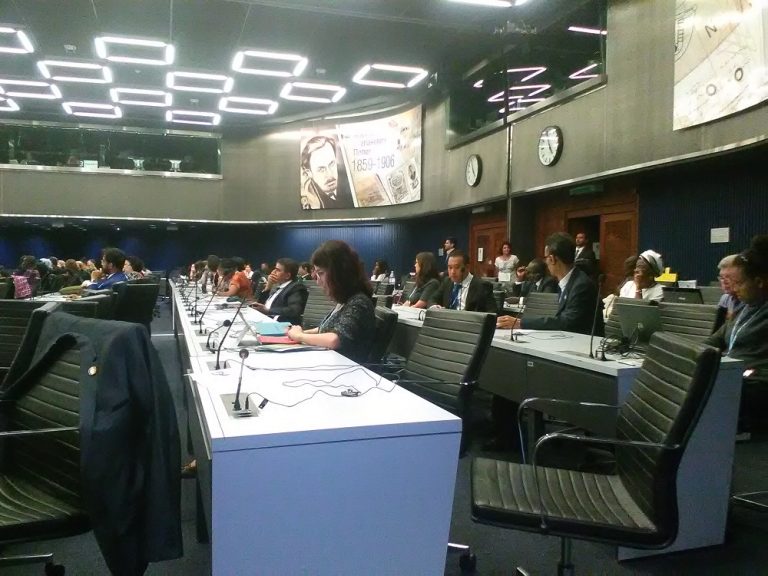
The number of participants, sessions and the quality of the contributions of the different speakers has never been as high as during this year’s edition of the World Summit on the Information Society Forum (the WSIS Forum 2017), according to organisers.
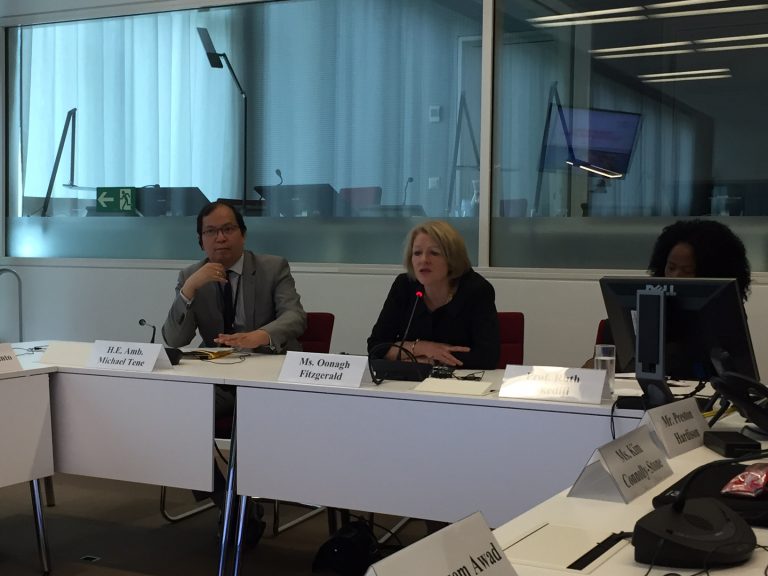
An event held on the side of the World Intellectual Property Organization committee on traditional knowledge meeting last week looked at ways to move discussions forward in the light of the committee’s expected renewed mandate. Speakers explored different perspectives and possible new avenues for indigenous and local communities to protect and manage their knowledge and cultural heritage, without the threat of misappropriation.
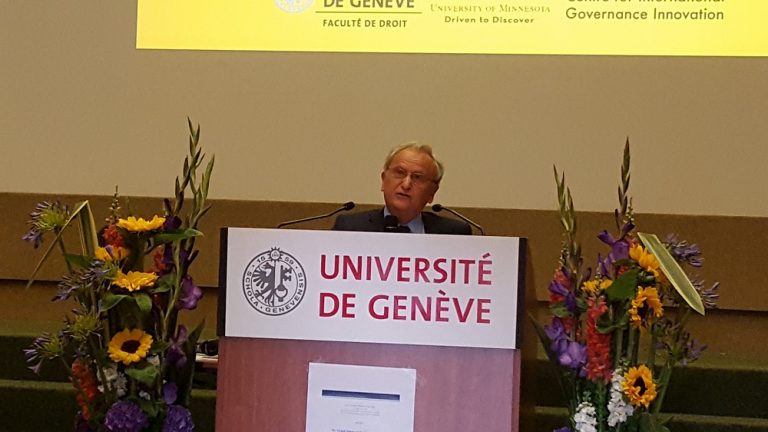
Inspiring, generous, humanist, nobody was short of praise and anecdotes at an event last week to celebrate the lifelong contribution of Pedro Roffe, well-known Geneva thinker and writer on intellectual property. A conference on the evolution of intellectual property, trade and development had been organised for the occasion, congregating many IP experts offering their perspective on the role of IP in fields, such as public health, innovation policy, and competition law.
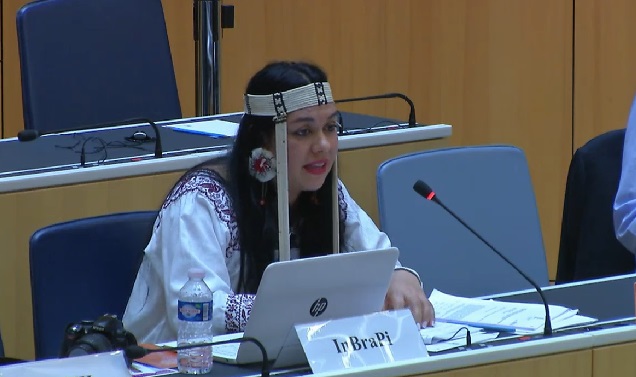
A recommendation to continue the work of the World Intellectual Property Organization committee on the protection of traditional knowledge, genetic resources and folklore is on its way to the organisation's annual General Assembly in October. However, the details of the mandate are left for the General Assembly to discuss, such as the mandate and the work programme of the committee for the next two years.
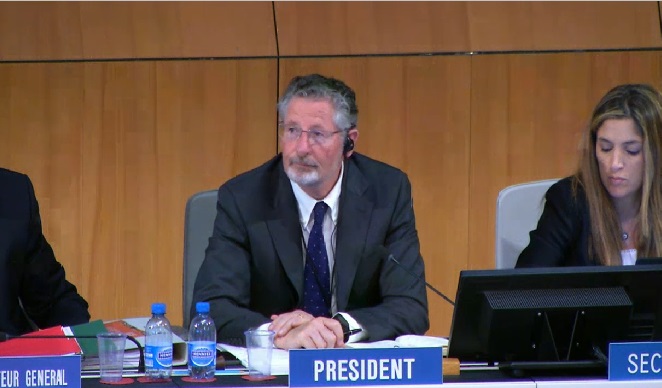
Delegations this week agreed on a revised set of draft articles aiming to protect traditional cultural expressions (folklore) from misappropriation, typically for commercial interests. However, several proposals made by the United States, some of which were supported by the European Union, were seen by others as defying the purpose of the potential treaty.
Different representatives of indigenous people shared their views and concerns on the protection of the rights of indigenous people and local communities during a side event at the World Intellectual Property Organization this week. Speakers underlined the need of consultation of indigenous people during negotiations about their rights.