Category Subscribers

CBD Negotiating Group Issues Draft Decision On Genetic Resources Data

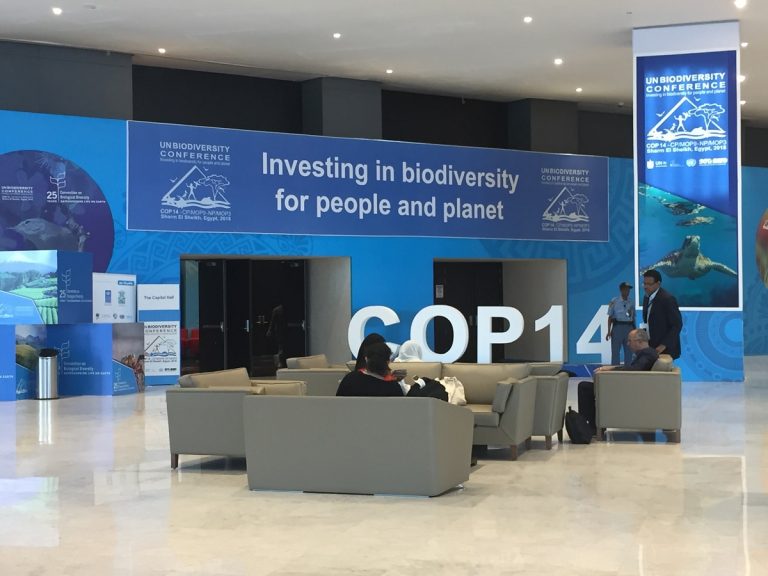
SHARM EL-SHEIKH, Egypt -- The co-chairs of a contact group working to find consensus language on a decision on genetic resources data issued a new draft this afternoon at the UN Convention on Biological Diversity meetings in Egypt.

New US ‘Compromise’ Proposal On Broadcasting Treaty At WIPO Stirs Fresh Negotiations

Members of the World Intellectual Property Organization copyright committee today are locked away in a private room negotiating on a draft text for global treaty to boost the rights of broadcasters. A key element of the debate, according to participants at this week’s meeting, is a new proposal put forward by the United States that seeks to clarify the scope of protection of the treaty and preserve national-level approaches.

Panellists To CBD: Funds Needed To Save Biodiversity, Genetic Resources Not In Nagoya Protocol Should Be Included

SHARM-EL-SHEIKH, Egypt - The access and benefit sharing protocol of the UN Convention on Biological Diversity is based on bilateral agreements between providers and users of genetic resources. There are, however, many cases where genetic resources are dispersed, and difficult to attribute to only one location. The issue is being discussed at the biennial meeting of the CBD member states, in particular the possibility of a global multilateral benefit-sharing mechanism to address those genetic resources not yet covered by the protocol. A side event yesterday explored the possible conditions and needs for establishing such a mechanism, and called for urgent action.

WIPO Working Toward Agreement To Finish Broadcasting Treaty This Week

The World Intellectual Property Organization copyright committee is meeting this week with a top agenda item of sending a longstanding treaty on copyright for broadcasters to its final conclusion. Dozens of lobbyists, mainly from Europe and North America, are on hand to help.

Gene Editing: Fears Lead To Call For Moratorium At CBD, Discussions Ongoing

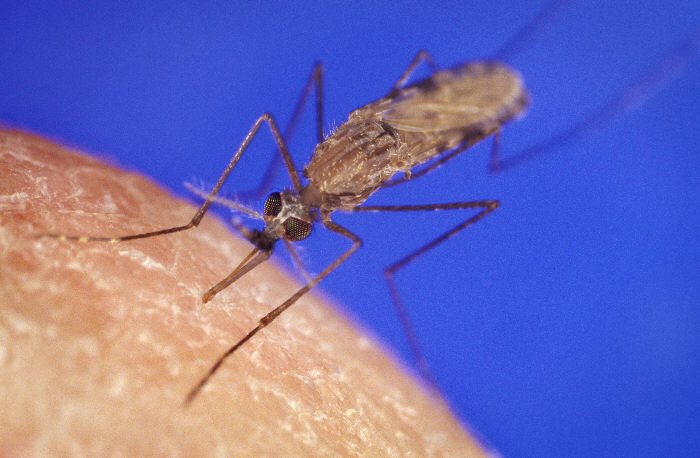
Gene editing techniques have opened the way to a new world of innovations. One of them is the potential eradication of malaria-carrying mosquitoes. What appears as a very attractive way to help with malaria eradication is denounced by civil society groups arguing that the technology is in its infancy. Wiping out entire species could have unforeseen environmental, health, and social consequences, they say. They are calling for a moratorium preventing the release of gene drive organisms in the wild. They also describe the gene drive mosquitoes as a Trojan horse, hiding broader interests of agricultural multinational corporations.

Convention On Biological Diversity Biennial Meeting Looks At How New Technologies Will Affect Its Objectives

Member countries of the UN Convention on Biological Diversity are meeting in Egypt for its biennial conference of the parties, and the conference of the parties of its protocol on access and benefit sharing, until the end of November. New technologies are high on the agenda of the meeting, such as synthetic biology and genetic sequence information of genetic resources, and how they will impact the convention's objectives. Delegates are also expected to discuss a potential global multilateral benefit-sharing mechanism, and criteria for international specialised instruments of access and benefit-sharing which could substitute the protocol's obligations in certain cases.

A Look At The Proposed EU IP Exception To Promote Generic, Biosimilar Industry Competitiveness

The European Commission has proposed an exception to the extended period of patent protection that the European Union provides to original drug manufacturers for certain products, in order to boost the competitiveness of EU generic and biosimilar industries in global markets. The exception will allow EU generic and biosimilar companies to manufacture protected drugs for export during this patent extension period. Stakeholders are so far unhappy with the exception. Meanwhile, studies analyse its potential economic impacts and legal implications, and the Commission remains confident that safeguards it is putting in place will keep the lower-priced medicines from making their way back into the EU.

EU High Court Rejection Of Copyrights For Food Tastes Worries Rights Holders

A food’s taste cannot be pinned down with enough precision and objectivity to make it copyrightable under EU law, the European Court of Justice (ECJ) said on 13 November. The decision creates a new standard that could be applied to all European copyright works, but would likely be the same under US law, intellectual property lawyers said.

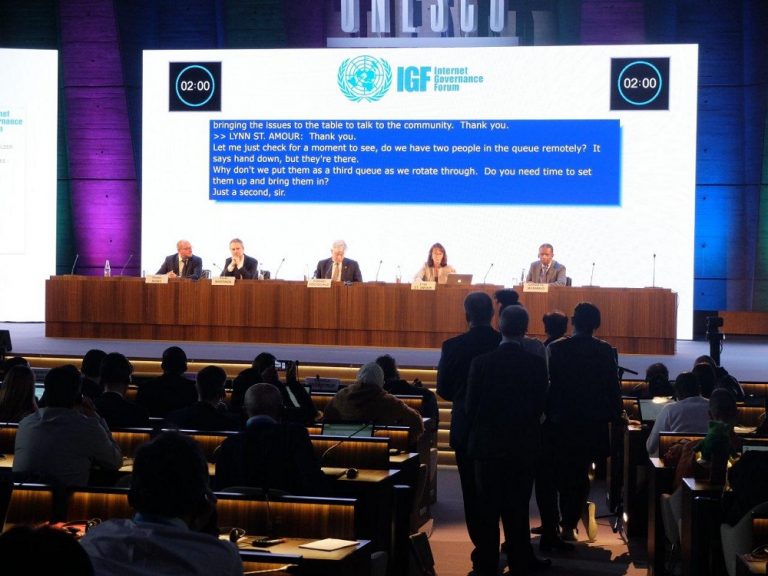
European Governments Step Up Attention To Internet Governance

PARIS -- In its thirteenth year, the UN-led Internet Governance Forum finally seems to be able to turn the tide and get much-needed attention from powerful governments. Opened by a UN Secretary General for the first time since its inception and receiving the accolade of French President Emmanuel Macron, the forum looks toward a brighter future. But how to work as a multistakeholder body remains experimental in many regards.

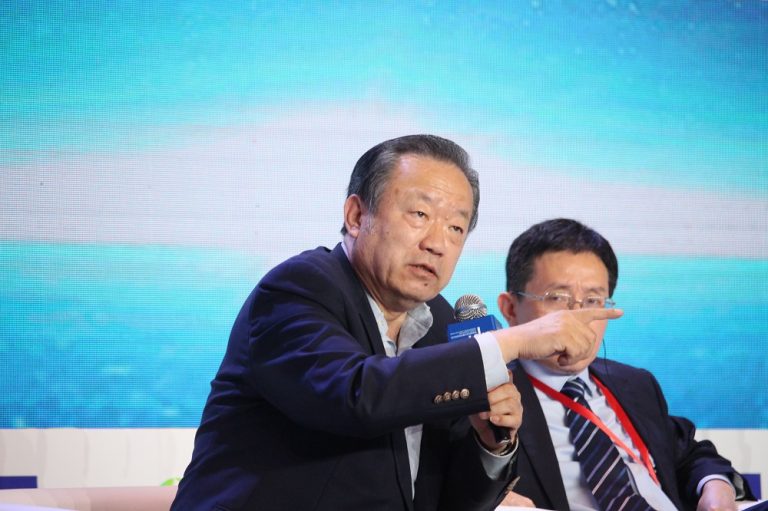
China’s Xi Jinping Signals Higher Focus On IP, Market Opening To Ease US-Sino Tensions, But Global Leadership Friction In Innovation To Persist

SHANGHAI, China -- The President of China, Xi Jinping, in a keynote address on 5 November to political and business leaders attending the opening of the first China International Import Expo (CIIE) in Shanghai sent a strong diplomatic signal that Beijing will push ahead with further opening up of the economy to more international competition. In a move to try and ease US-Sino tensions Xi also indicated China will take proactive steps to boost protection of intellectual property rights (IPRs), including harsher penalties against violators - a major grievance for the United States and the pivotal issue in the escalating trade war between the world's two largest economies.