Category Subscribers

Report: Core Copyright Industries Add $1.3 Trillion To US Economy

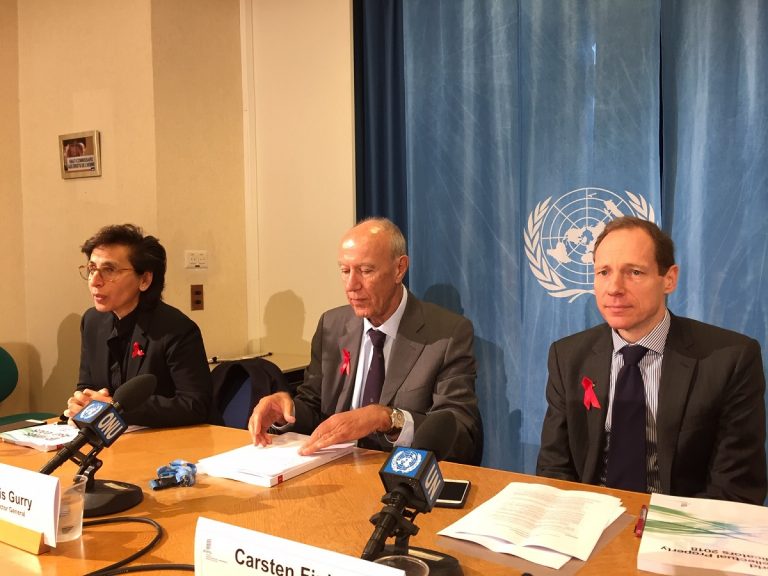
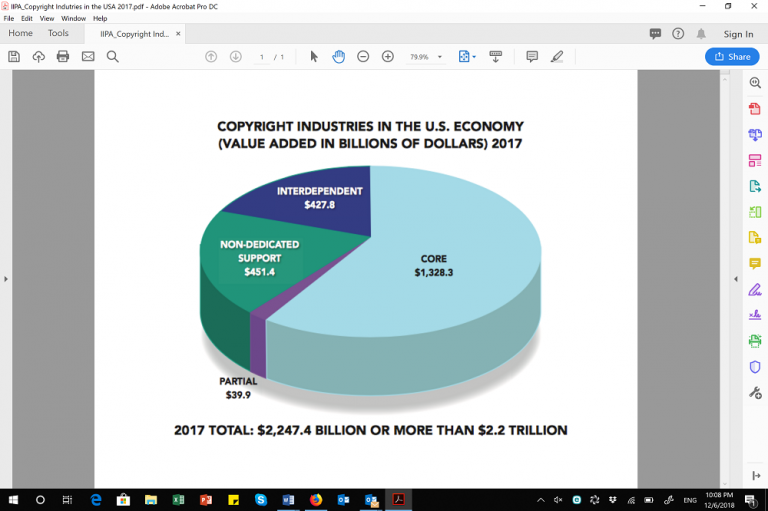
Core copyright industries have contributed more than $1.3 trillion to US gross domestic product (GDP) in 2017, and accounted for 6.85% of the US economy. They employed nearly 5.7 million workers in 2017, accounting for 3.85% of the entire US workforce, or 4.54% of total private employment in the United States, according to the International Intellectual Property Alliance (IIPA)'s “Copyright Industries in the U.S. Economy: The 2018 Report.”

Transparency Of Patent Status Key For Health Actors: Databases Presented At WIPO

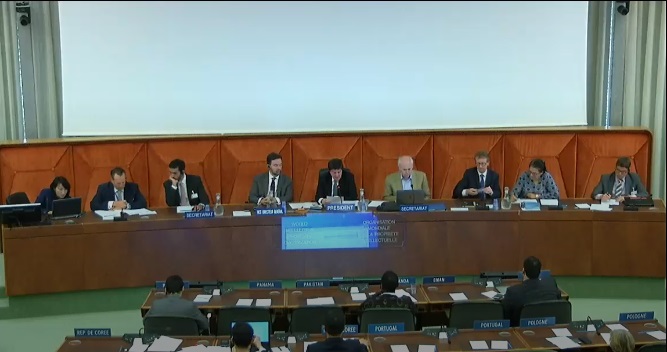
Information on the status of patents can be key for medicines procurement agencies seeking to know if they can source cheaper generic products. Several databases providing free information on patent status were presented yesterday at the World Intellectual Property Organization. The World Health Organization, also invited, hailed the efforts, but warned against listing follow-on patents, which could confuse procurement professionals. And a prominent molecular biologist, chief executive of a patents-and-scholarly database, called for breaking silos to advance innovation.

US IP Stakeholders Seek To Strengthen Public Support For IP, Ensure Future US Competitiveness

NEW YORK -- United States intellectual property stakeholders from academic, business and legal backgrounds gathered recently to discuss how to increase public support to strengthen the intellectual property rights system in the US, in light of China’s steady rise in numbers of patent and trademark filings. US IP stakeholders argued that developing public awareness and understanding of IP is key to building this support, with some holding diverging views on how to go about this.

WHO Director Tedros Gives Thoughts On Access To Medicines, Gene Editing, Ebola

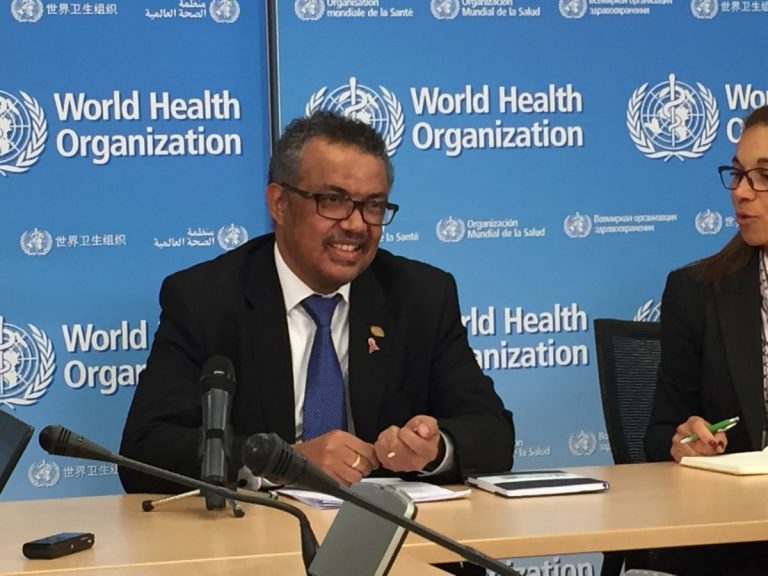
World Health Organization Director General Tedros Adhanom Ghebreyesus (Dr Tedros) met with United Nations journalists today, in what he said would become a regular end-of-the-year meeting with the press. He gave an update on the ongoing Ebola outbreak and his views on the recent human gene editing by a Chinese researcher, and on the use of gene drive organisms to fight malaria. He also provided his views on access to affordable and safe medicines.

China Pulling The Cart To Propel Global IP Filings To New Heights, Trademarks Skyrocketing – WIPO

Global intellectual property filing numbers kept rising unabated in 2017, as China continued to pull the numbers upwards. The World Intellectual Property Indicators 2018, published today, also showed what the head of the World Intellectual Property Organization qualified as extraordinary growth in trademark applications. And he remarked on the increasing importance of intellectual property in the contemporary economy.

Conferences On Medicines Patent Information, Patent Office Cooperation, At WIPO This Week

The World Intellectual Property Organization patent law committee meeting this week will convene two half-day conferences, one on cooperation between patent offices, and the other on publicly accessible databases on patent information on medicines and vaccines. Other topics for discussion will be patents and health, confidentiality of communications between patent applicants and their advisors, quality of patents, and the research exception.

WIPO Copyright Committee Closing Chair’s Text Shows Way Forward On Broadcasting Treaty, Exceptions, Resale Right

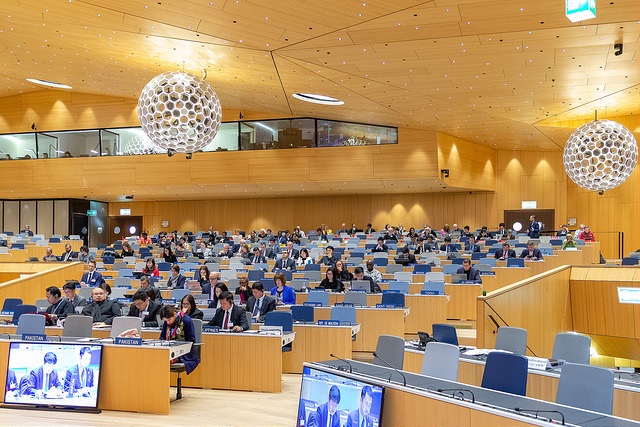
The World Intellectual Property Organization Standing Committee on Copyright and Related Rights concluded its work in a weeklong meeting early today, a rare occurrence, after agreeing on ways forward for a draft treaty on broadcasting, limitations and exceptions for a range of groups such as libraries and educational institutions, and additional topics such as creation of a task force on artists' resale royalty rights, and upcoming regional meetings. The final chair's text below shows the details.

CBD Biennial Meeting Closes With Resolutions On Digital Sequence Data, Conflicts Of Interest, Global Benefit-Sharing

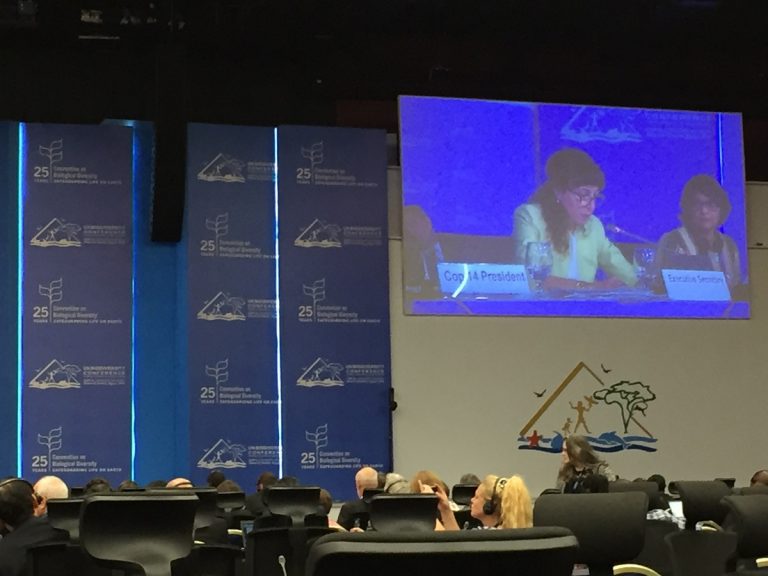
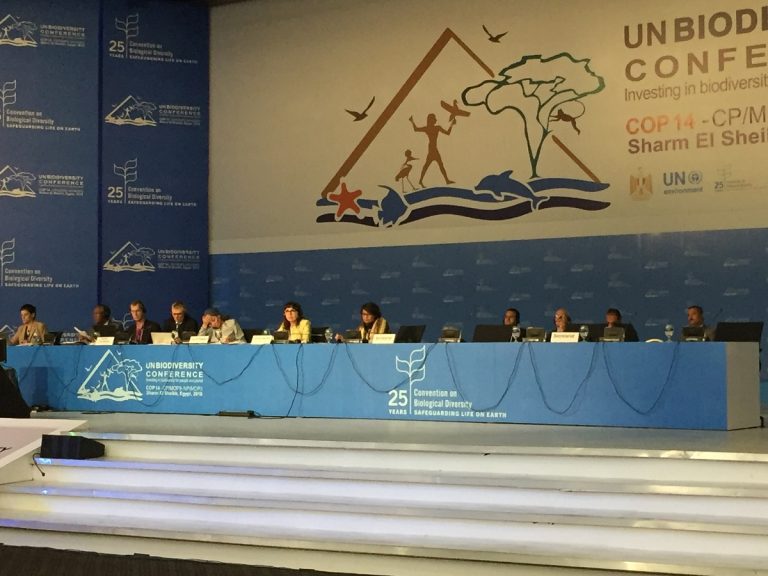
The biennial meeting of the Convention on Biological Diversity and its protocol on access and benefit-sharing closed yesterday with a list of adopted decisions. Among them was a decision to commission several studies on the impact of digital sequence data on the CBD for a recommendation at the next meeting in 2020. Delegates also agreed on a study to examine cases of genetic resources, and traditional knowledge associated with genetic resources, not yet covered by the protocol. Also adopted is the first decision on the management and prevention of conflicts of interest in expert groups.

UN Biodiversity Convention Agrees On Precautionary Approach To Synthetic Biology

SHARM El-SHEIKH, Egypt -- While the world has been taken by surprise after a Chinese researcher declared he had genetically modified twin babies, and critics are rising from all parts, the Convention on Biological Diversity adopted a decision on synthetic biology today at the close of its biennial meeting. The decision which calls for a precautionary approach was hailed by civil society groups which were calling for a moratorium preventing gene drive organisms to be released in the wild.

Do Patent Trolls Exist? Two Studies Reach Different Conclusions (Part 1)

They are called many things. Patent Assertion Entities (PAEs), Non-Practicing Entities (NPEs), Patent Trolls, and on occasion, names not suitable in polite company. They often are accused of harming innovation and the economy, while providing nothing useful in return. They, less often, are said to promote innovation, in part by helping small inventors monetize their discoveries. Two recent academic studies attempt to shed light on this dispute, but their findings seem contradictory – at least at first.

Shared Indigenous Knowledge And Benefit-Sharing Needs Particular Attention, Panel Tells CBD

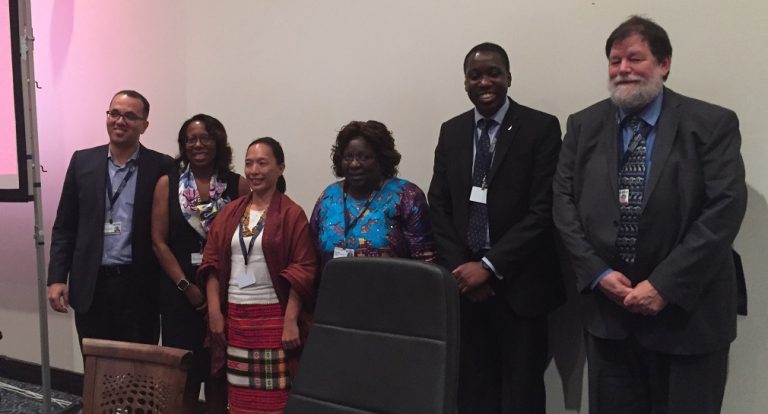
SHARM El-SHEIKH, Egypt -- Traditional knowledge associated with genetic resources held by indigenous and local communities is often not confined to one group or one specific geographical location. Displacement whether cultural or forced, political redesigning of borders, and exchanges with other communities have all contributed to the dispersion of that knowledge. This shared knowledge poses an issue in the context of benefit-sharing of commercial benefits on inventions derived from this knowledge. A side event on the side of the biennial meeting of the UN Convention on Biological Diversity looked at how to address shared traditional knowledge.