Category Subscribers

Will US Follow UK Lead In Case On Copyright And Interoperability?
In a case pitting copyright protection against competition, the United States Court of Appeals for the Fourth Circuit must decide whether World Programming Limited (WPL) violated SAS Institute's copyright by copying software interfaces that enable interoperability. WPL has already won the argument in the UK and in Europe's highest court. The case has drawn strong support on both sides from the tech sector and a civil liberties group.

Split Over DMCA Safe Harbour Continues To Roil US Copyright Office Reform Efforts

Internet service providers and copyright owners remain deeply divided over the effectiveness of the Digital Millennium Copyright Act safe harbour provisions, they said in additional submissions to a US Copyright Office inquiry.

TRIPS Council To Consider The Two Sides Of IP – Innovation Booster And Barrier

The role of intellectual property in innovation is expected to be considered through different lenses at the upcoming meeting of the World Trade Organization committee on intellectual property. A group of developed countries have proposed an agenda item on inclusive innovation in micro, small and medium-sized enterprises, while discussions are expected on the report of the United Nations Secretary General’s High-Level Panel on Access to Medicines, and a side event featuring High-Level Panel members has been convened by a group of developing countries. Electronic commerce, and in particular copyright issues and electronic signatures are also on the agenda next week.

In US, New Tactics To Combat Online Copyright Infringement

The death was quick, quiet, and unmourned. The Copyright Alert System – a once vaunted plan to stop online copyright infringement in the US – was killed on 27 January. Lasting only four years, CAS had accomplished little and satisfied no one, according to many experts. What went wrong? And what is the movie and music industries’ next plan to combat online infringement?

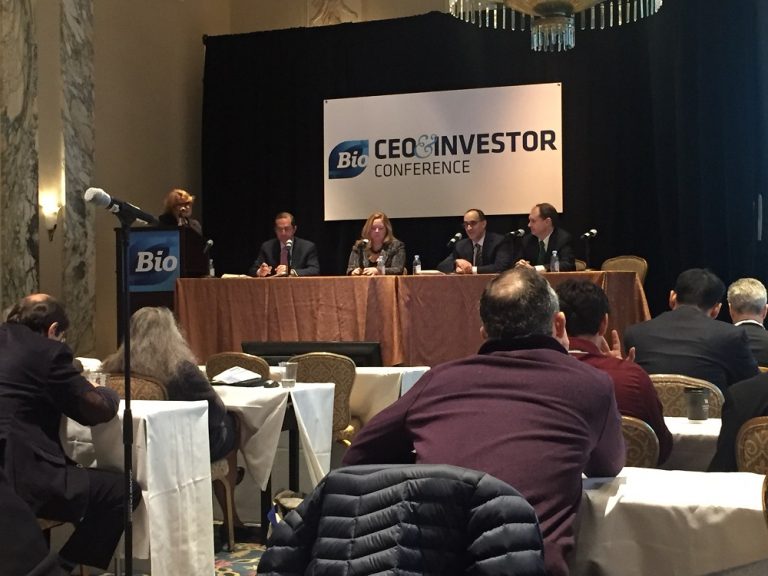
BIO Investor Conference: New Technologies, Old Pricing Systems, And Insurance Payers In The US

NEW YORK -- At a recent biotechnology investors event in the United States, the prospect of repeal or redesign of the Affordable Care Act, the president’s recent remarks on the prospect of Medicare negotiating prices directly with pharmaceutical corporations, and the public debate surrounding high priced medicines, meant few panels were immune from questions of affordability, access and payment.

When Machines Create Intellectual Property, Who Owns What?

The concept of machines that can think and create in ways that are indistinguishable from humans has been the stuff of science fiction for decades. Now, following major advances in artificial intelligence (AI), intellectual property created by machines without human input is fast becoming a reality. The development thus begs the question among legal scholars, legislative bodies, and judiciary branches of governments worldwide of who owns the intellectual property that humans did not create.

Geneva Health Campus: New Home For Global Fund, GAVI, Unitaid In 2018

The construction of a new building to host the Global Fund to Fight AIDS, Tuberculosis and Malaria and other key players in the area of global health is well under way in Geneva. The “Campus Santé” (Health Campus) is expected to open its doors at the beginning of 2018. The hosts of the building will be tenants, while the investment costs are borne by Crédit Suisse, a prominent Swiss investment bank.

The Problem With Rare Diseases: R&D Lacking, High Prices, Discrimination, IP Issues

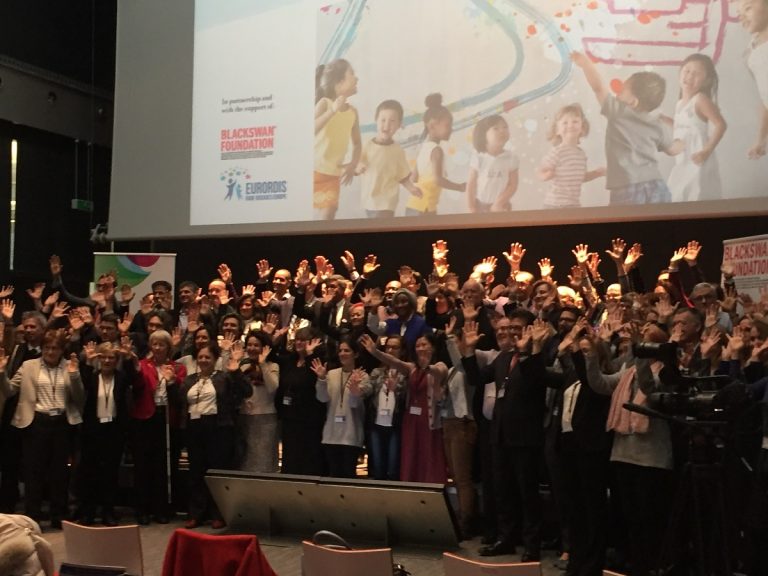
Over 6,000 rare diseases, those affecting very small populations, have been documented in the world. For those affected, treatments are mostly non-existent, and if they do exist, are not affordable. An event last week gathered a number of stakeholders, including rare disease organisations, the World Health Organization and the pharmaceutical industry to discuss the particular issue of rare diseases. The case of rare diseases is an exacerbated example of research, pricing, accessibility and affordability.

WIPO Broadcasting Treaty: What Broadcasters Really Want To Protect Their Business From Piracy

In discussion for close to 16 years at the World Intellectual Property Organization, a treaty aimed at protecting broadcasting organisations’ intellectual property rights has not reached conclusion. Intellectual Property Watch sat down recently with the European Broadcasting Union to understand what broadcasters actually say they need to protect their businesses against piracy. As to what they see hindering the technical resolution of the treaty? Politics.

US Chamber International IP Index: US, Europe At Top; India Needs A Push

The United States Chamber of Commerce today released its fifth annual International IP Index, which makes the case for the positive impact of intellectual property on economies. The United States scored highest, followed by top European economies and Japan. And near the bottom was India, despite recent efforts to accept the IP system. Separately, the report assesses international trade rules for IP and argues for nations to negotiate "TRIPS-plus" agreements.