Category Subscribers

Must All Foreigners Online Comply With US Copyright Law? (Part 2 of 2)

A case now before the DC Circuit Court of Appeals, Spanski Enterprises v. Telewizja Polska, creates a legal dilemma. The court needs to find Telewizja liable for copyright infringement, or else the court will create a roadmap for pirates, enabling them to stream copyrighted works into the US with impunity. But if the court finds Telewizja committed infringement simply because the Polish company put online works that could be accessed in the US, the court will apply US copyright law in an extraterritorial manner that will create problems around the globe.

ARIPO Adopts Plant Variety Regulations, As Farmers Advocacy Groups Raise Concern

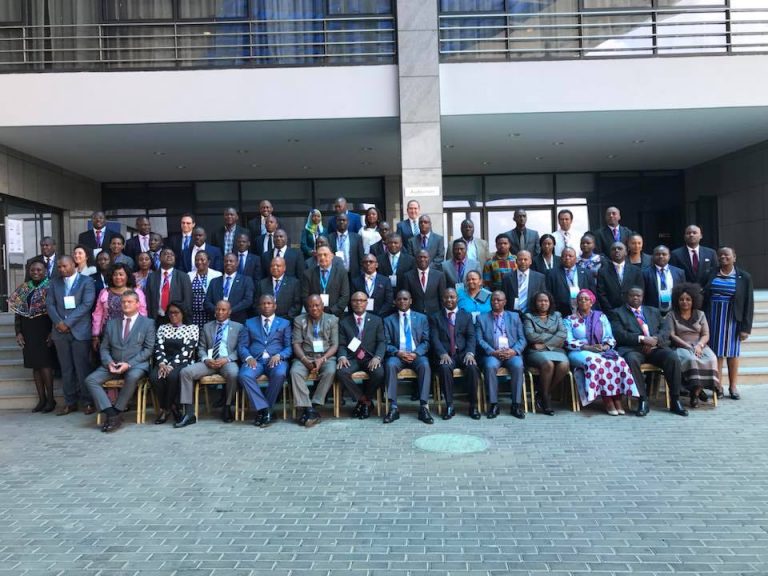
KAMPALA, Uganda -- The Forty-first Session of the Administrative Council of African Regional Intellectual Property Organization (ARIPO) held this month adopted the Regulations for the Implementation of the Arusha Protocol for the Protection of New Varieties of Plants, amidst protest from civil society organisations and farmer representatives.

Retransmissions Of TV Shows From Cloud Services Need Copyright Owner’s Consent, EU High Court Rules

VCAST, a UK company that makes available to its customers internet retransmissions of Italian television programmes stored in the cloud, must obtain right holders’ consent first, the Court of Justice of European Union (CJEU) ruled on 29 November.

USPTO Director Nominee And IP “Evangelist” Iancu Could Get Committee Approval By January

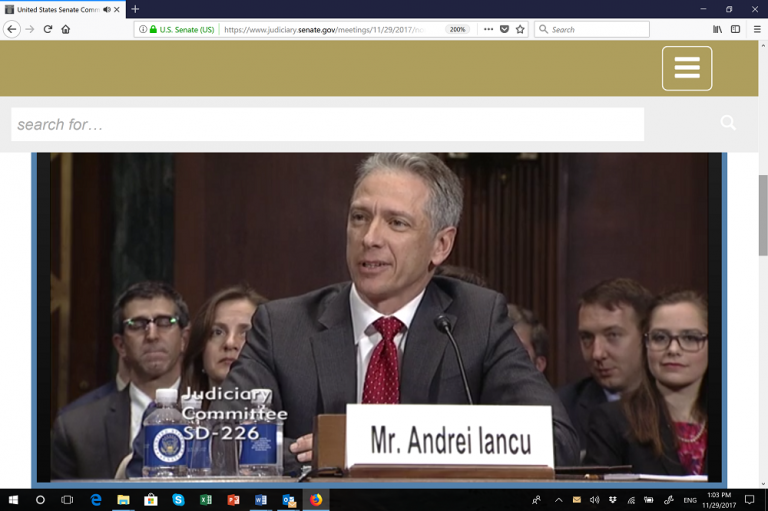
President Trump's nominee to be the next director of the United States Patent and Trademark Office (USPTO), Andrei Iancu, could receive Senate committee approval by the holidays if things line up just right. If appointed, he told a nomination hearing today that he would "evangelize" the IP system and make possible reform of the patent review process a high priority.

European Commission Announces Guidance On Copyright Enforcement, SEP Licensing

The European Commission today announced plans to ratchet up the fight against counterfeiting and piracy, and to introduce more clarity in licensing standard-essential patents (SEPs). The first involves guidance on the 2004 EU directive on the enforcement of intellectual property rights (IPRED); the second recommendations for making the relationship between patent owners and technology users more “balanced and efficient.”

Must All Foreigners Online Comply With US Copyright Law? (Part 1 of 2)

US copyright law is supposed to apply only within US borders, not to actions done in Poland. But when a company in Poland streamed copyrighted TV shows into the US, that infringed US copyrights, according to a US trial court. This decision will be upheld on appeal, experts widely expect. Such an appellate decision, however, could expand the reach of US copyright law to a problematic extent. It will be tricky to find infringement in this case without also extending US copyright law to any online content posted anywhere on the globe.

WIPO Development And IP Committee This Week: Agenda Includes Flexibilities, Tech Transfer, SDGs, Studies

Following a session in May hailed as the most positive in years, the World Intellectual Property Organization Committee on Development and Intellectual Property reconvenes this week. Among items to be discussed are a revised proposal by the African Group to convene a biennial international conference on IP and development, how to deal with the United Nations Sustainable Development Goals, and recommendations of an independent review of the implementation of the 2007 WIPO Development Agenda Recommendations.

‘The WHO Does Not Have A Board’: New WHO Director Pushes To Make Agency More Efficient

World Health Organization Director General Tedros Adhanom Ghebreyesus (Tedros) admonished member states at the close of this week’s special session of the WHO Executive Board charged with examining the agency’s draft work programme for 2019-2023. A trust deficit among member states leads to the multiplication of national statements, impeding efficiency, he said. Meanwhile, a number of countries called for affordable and accessible medicines, and help to manufacture generic medicines locally, while the United States pushed the role of the private sector.

Breeders Group CIOPORA Calls For New Plant Varieties To Be Patentable

A new “position paper” by a plant breeders industry group revives the argument that plant-related inventions should be patentable. New plant breeding techniques modifying the plant genome are not essentially biological processes, thus should be patentable, the paper says. The group also calls for a worldwide harmonised research exemption on plant variety rights and patents for the purpose of improving the invention.

WTO Dispute Panel Set For Qatar IP Case; Appellate Body Appointments Still Stuck

A World Trade Organization dispute settlement panel today was established on request of Qatar, which is challenging measures by the United Arab Emirates (UAE) taken in the name of anti-terrorism but which Qatar says unfairly violate its intellectual property rights and other WTO rules. Separately, also at today's WTO Dispute Settlement Body meeting, members continued to be at odds over a closely watched disagreement on appointing new Appellate Body members.