Category Subscribers

At WIPO, Water Entrepreneurs Meet Investors

Entrepreneurs with innovative water technologies came to the World Intellectual Property Organization last week to find new partnerships and investors. The urgent need to work together and build partnerships in the water sector was the overall message of the event. “Nobody can do the work alone,” Nicholas Niggli, Republic & State of Geneva's Director General, Economic Development, Research & Innovation, said, referring to the many existing water challenges.
Artificial Intelligence: No Clear Roadmap For The Future

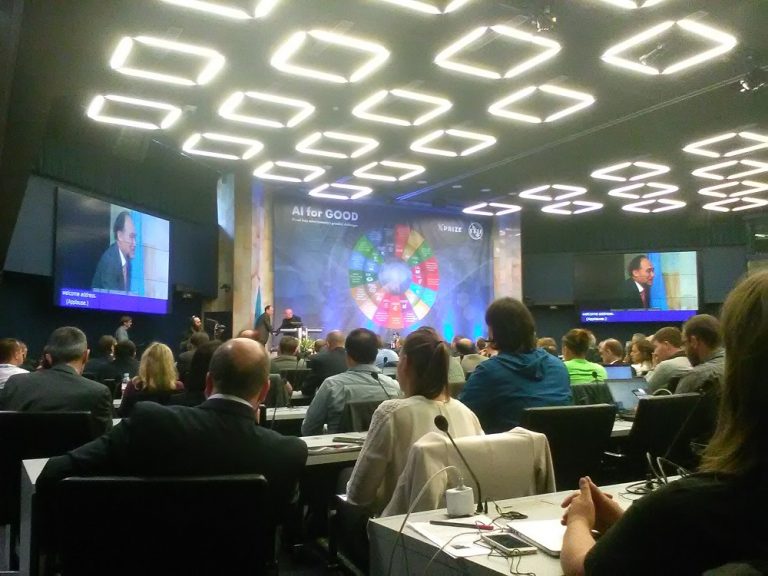
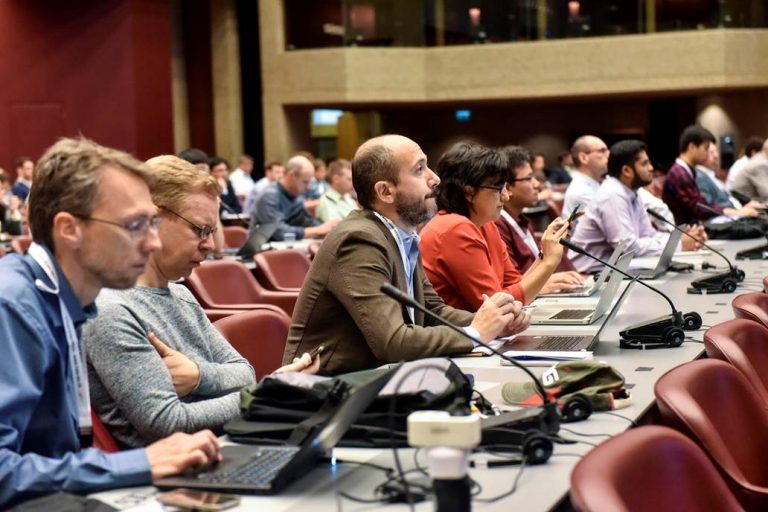
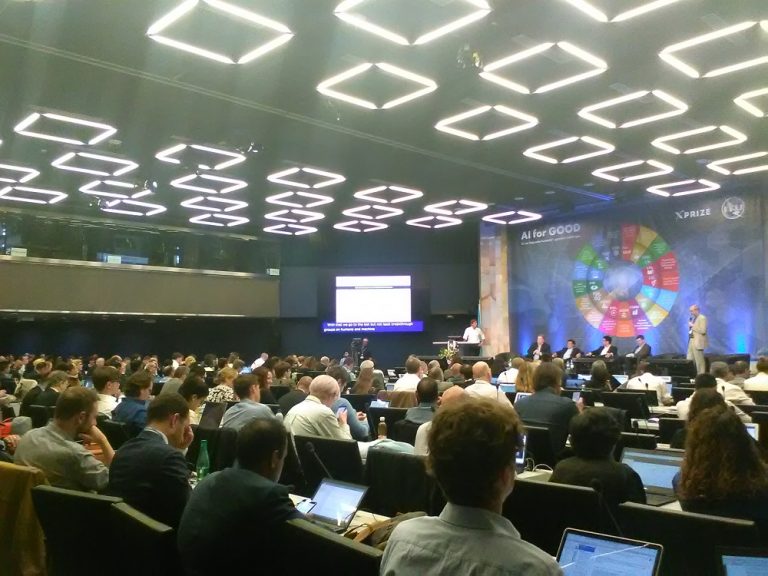
“Artificial intelligence is as a weapon” and we have to deal with it “as we deal with other weapons,” Cindy Smith, director of the United Nations Interregional Crime and Justice Research Institute (UNICRI), said during a panel discussion at an artificial intelligence summit in Geneva this week. The panel discussion focused on preparing a roadmap to ensure that artificial intelligence develops in “a safe, responsible and, an ethical manner” that benefits all the different segments of our society.

US Ends Post-Sale Patent Rights

On 30 May, the US Supreme Court handed down yet another in a long series of rulings that cut back on the rights of patent owners. This time, the high court made it far more difficult for patentees to impose post-sale restrictions on the use or resale of their patented goods. The ruling should boost parallel imports into the US, increase competition throughout the American economy, lower prices for US consumers, and hurt the bottom line of many companies.

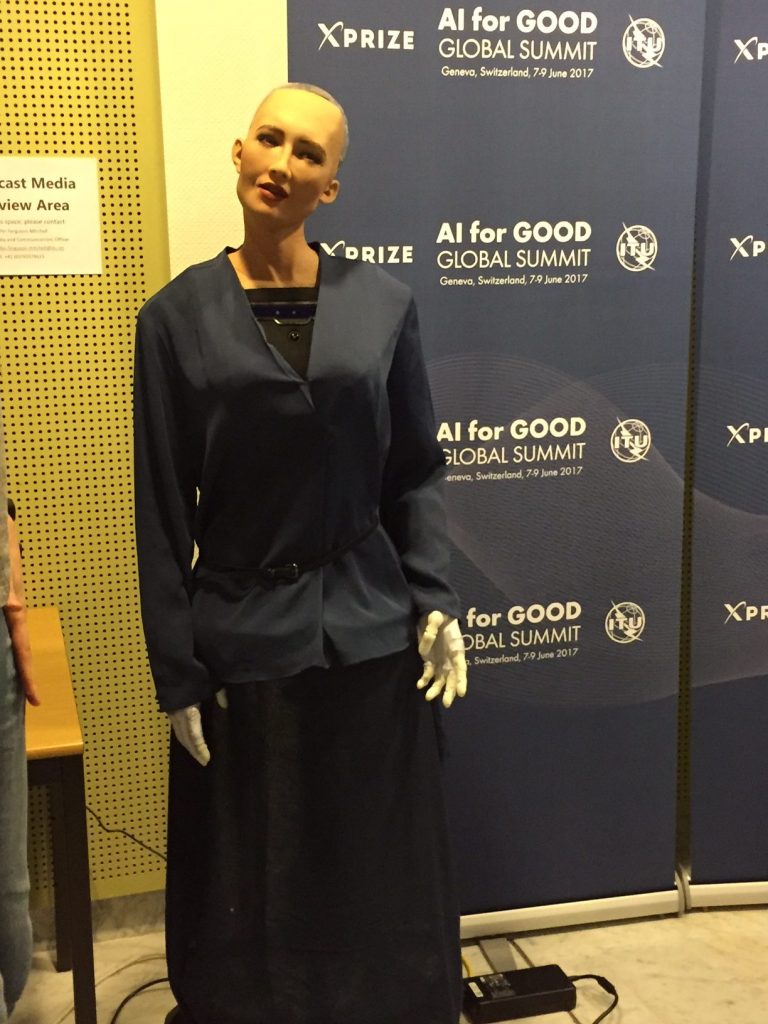
Summit: Artificial Intelligence Is Humanity-Changing, Build Safeguards Now

For artificial intelligence enthusiasts, the future is bright. Soon intelligent machines will help humankind solve most problems, and according to one speaker at an artificial intelligence summit in Geneva this week, humans will be outsmarted by robots in the foreseeable future, in an artificial intelligence bliss. For others, artificial intelligence is far from delivering a fully positive outcome, and for several United Nations representatives, such as the World Health Organization, the world should not be entrusted to robots just yet.

World Health Assembly Adopts Resolution Supporting Tax On Tobacco, Alcohol, Sugar

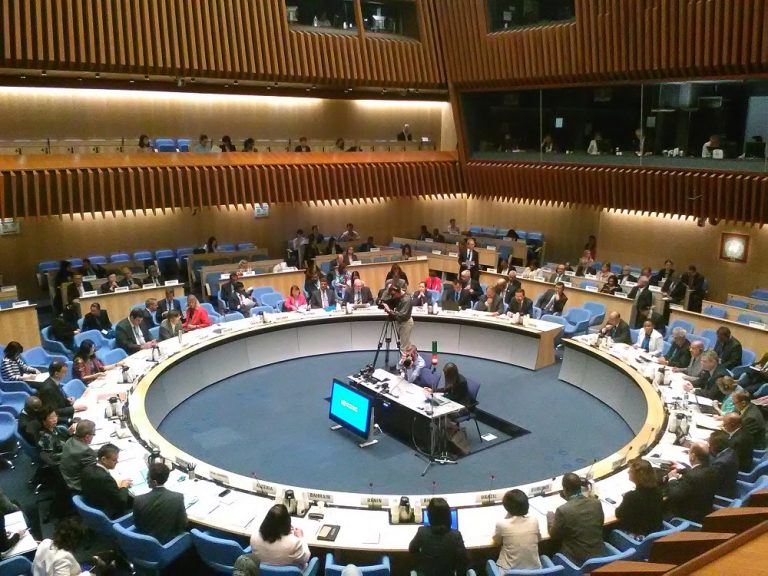
Cancer, diabetes, heart disease and chronic respiratory diseases are killing millions of people each year, making noncommunicable diseases the leading global cause of human deaths, many of them premature. This week, the World Health Assembly endorsed an updated set of policy options for countries to help them with the prevention and control of those diseases. On the list is a suggestion for tax increases on tobacco products and alcoholic beverages, and the reduction of salt intake. Supported by many countries, it was resisted by the United States and Italy.

EU Trade Politicians Consider Picking Up Pieces Of Trade Negotiations

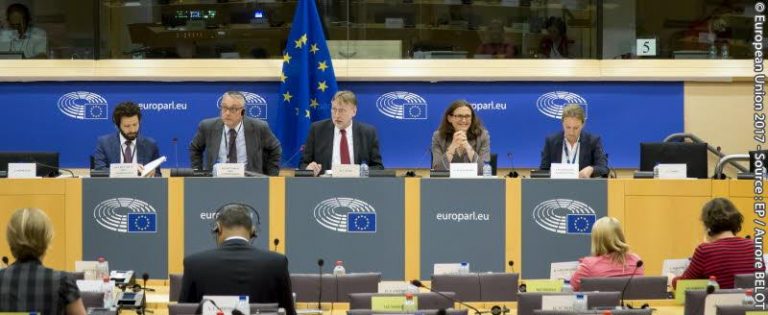
European Union trade politicians and their counterparts from the United States need more time to consider next steps in their trade relations, EU trade Commissioner Cecilia Malmstroem said during a session with the trade committee of the European Parliament this week. At the same time, she reported that Trans-Pacific Partnership (TPP) and Trade in Services Agreement (TISA) negotiating partners have been turning to Europe to make headway. Meanwhile, former EU Justice Commissioner and member of the European Parliament, Viviane Reding, called for a counter-offensive to rising protectionism.

A Summary Of Key IP-Related Actions Taken By The 70th World Health Assembly

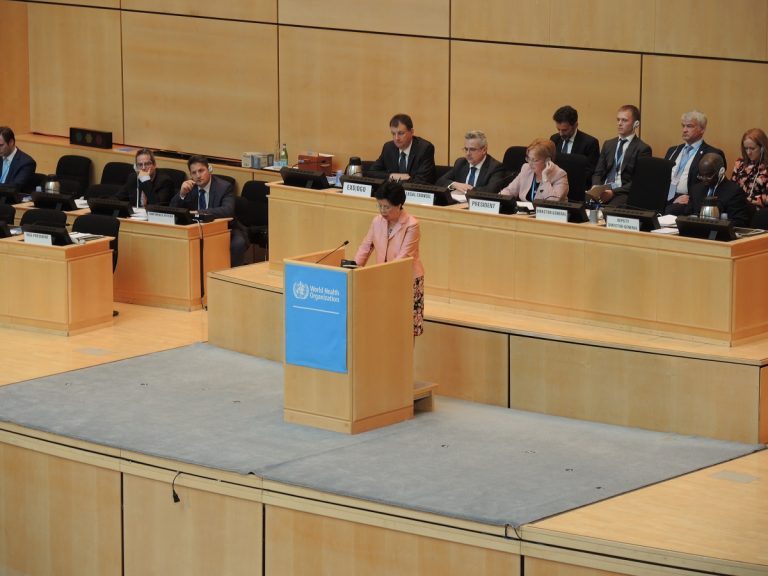
After what was described as the biggest World Health Assembly ever, with the highest number of agenda items and the highest attendance, it seemed that all’s well that ends well at the closing ceremony earlier today. A notable fact during this assembly has been the rising volume of voices from developing countries, joined by developed countries on issues related to access to affordable, safe, and efficacious medicines. Resolutions and decisions were adopted, many with hopes of better addressing challenges such as antimicrobial resistance, cancer, substandard and falsified medical products, medicines access and shortages and more.