Category Subscribers

Blockchain-Related Patents On Exponential Rise, Lawyer Says. Targets? China, US, UK
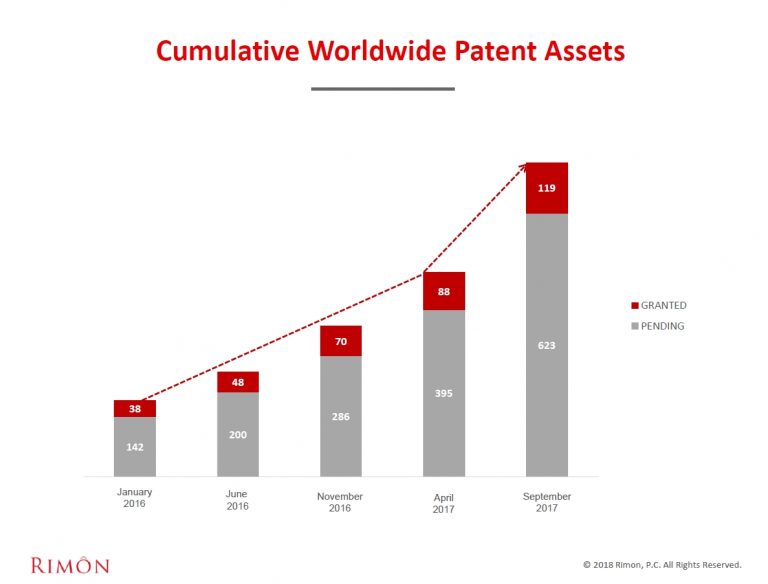
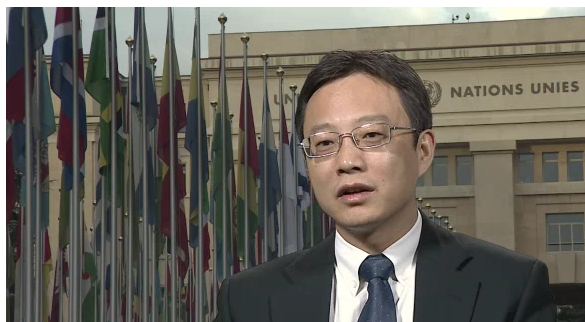
Patent applications related to blockchain technology are rising at exponential rate, according to a presentation given yesterday by a partner at United States law firm Rimon. Inventors are seeking intellectual property protection, bringing challenges into the blockchain ecosystem, such as infringement and patent trolls. He called for industry collaboration on IP, and the possibility of patent pools.


New Local Pharmaceutical Plant Expected To Enhance Access To Drugs In Kenya

Kenya’s pharmaceutical products manufacturing sector is hopeful it will experience significant growth after the Square Pharmaceuticals ltd (SPL) of Bangladesh commissioned a US$ 75 million plant in the East African nation this week. [A reminder: this story, like all of our stories, is completely free for almost every developing country in the world. Just sign up for a free password here!]

US IP Law – A Look At The Year Ahead

In the coming year, one US Supreme Court case promises to dominate developments in America’s IP law. The upcoming decision in Oil States Energy Services v. Greene’s Energy Group could have major ramifications for patents, copyrights, trademarks, and the USPTO. But even as that case steals the limelight, 2018 could bring other significant changes to America’s IP law. Here are some of the key developments to watch for.

Artificial Intelligence Holds Enticing Promise, Needs Framework, Say OECD, Microsoft, IEEE

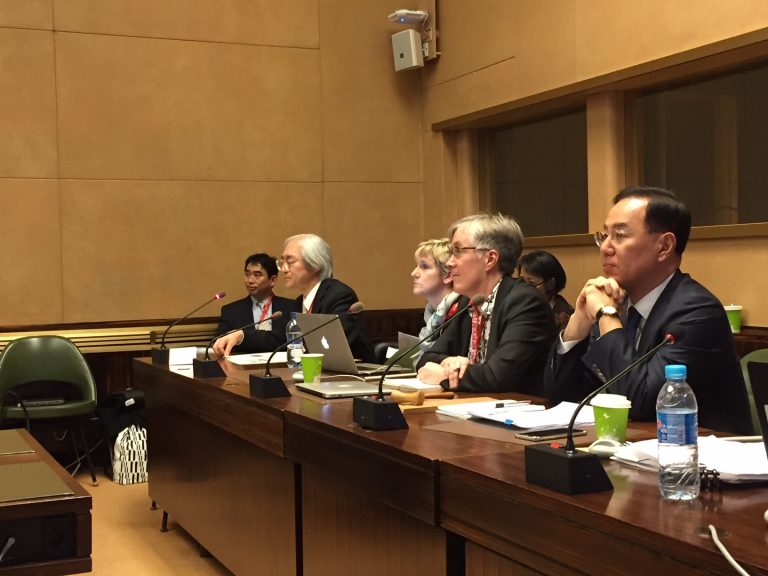
As artificial intelligence technology spreads its wings, governance issues are emerging, as are international discussions, including a range of activities planned for 2018. One of the panels of the December Internet Governance Forum in Geneva explored the policy questions, as panellists said artificial intelligence is unabatedly spreading to many areas of our lives with promises of economic growth and benefits, but with few regulations to frame it. Issues include ethics, privacy, biases, and lack of transparency.

Year Ahead: US Music Sector Calls For Major Legislative Changes To Copyright In 2018

The music community is ramping up its efforts to have significant new copyright legislation approved by United States Congress in 2018, amid key changes in the legislative apparatus, with the elevation of Rep. Jerold Nadler (D-New York) as the Ranking Member of the House Judiciary Committee, a pivotal role that puts him at the heart of the US legislative system, and the retirement of the Committee's current Chairman, Bob Goodlatte (R-Virginia), at the end of the year.

WHO: New Directors In Leadership Team Selected On Merit First

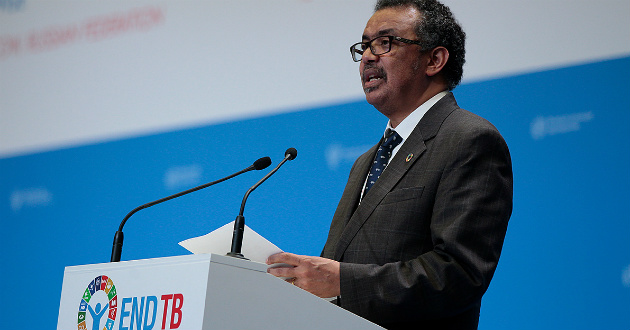
The new World Health Organization director general last month announced a range of officials to serve as programme directors, touting the unusual achievement of naming almost all women to add to an overall women's majority in the senior leadership of the organisation - a first for the UN. Now after some questions arose over the choice of a Russian official to head up efforts against tuberculosis, the WHO defended its choices as fully merit-based, including in an email to Intellectual Property Watch and its sister publication Global Health Policy News.

WTO Stalemate Concerns Include Non-Violation Complaints, E-Commerce; TRIPS Health Amendment Extended

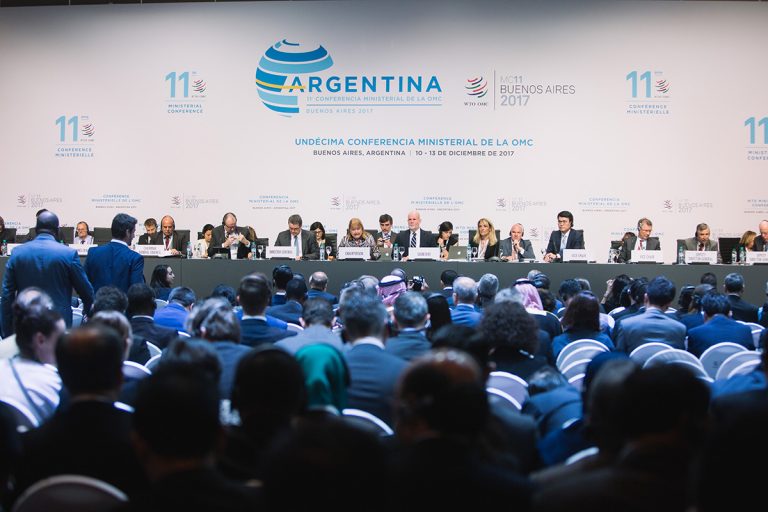
A few weeks after the failure of the World Trade Organization ministerial meeting in Buenos Aires to cut deals advancing issues from fisheries to e-commerce, some governments and trade experts around the world are concerned about the WTO’s future. Meanwhile, a couple of intellectual property-related provisions moved ahead after the ministerial without change.

WHO’s Revised Work Programme: Evidence-Based Normative Work, Access To Medicines

In a couple of weeks, the World Health Organization will be holding its annual January Executive Board meeting. Delegates will consider the edited version of the draft 13th WHO general programme of work for 2019-2023, published on 5 January. Following comments to the first version of the programme in November, the secretariat produced a more fleshed-out document, emphasizing the WHO's normative role, in particular evidence-based. The necessity of access to medicines and vaccines has been extended to other products, such as devices and blood products, and mention is made of the WHO Global Strategy and Plan of Action on Public Health, Innovation and Intellectual Property.

Top IP-Watch Stories Of 2017: What Do They Tell Us About Multilateral IP Policy?

What IP-Watch stories were readers reading most in 2017, and what does it say about the state of global intellectual property policy? In this article, we look at the most-trafficked stories of last year, and make a few assumptions. Asia, Europe, trade, health. These were the top targets of interest to readers among our offerings. Interestingly, despite all the sound and fury in Washington, our coverage there was not at the top of the list. Even more interestingly, neither was our extensive and world-leading coverage of the World Intellectual Property Organization.

In Break From Past Leadership Role, US Gov Largely Missing From Internet Governance Forum

The United States has been a steadfast supporter of the UN-led Internet Governance Forum since its inception over a decade ago, regularly bringing large and high-level delegations to the Forum. The US must have seen the forum as the lesser evil when governments from many continents pounded the desks during the 2005 World Summit on the Information Society (WSIS) conference in Tunis over the US special role in overseeing the Internet Corporation for Assigned Names and Numbers (ICANN) and thereby the heart of the domain name system, the root zone. But IGF 2017, held this week, saw a dramatic change in that regard.