Category Subscribers

State Hacking An Option To Overcome Encryption, IGF Hears

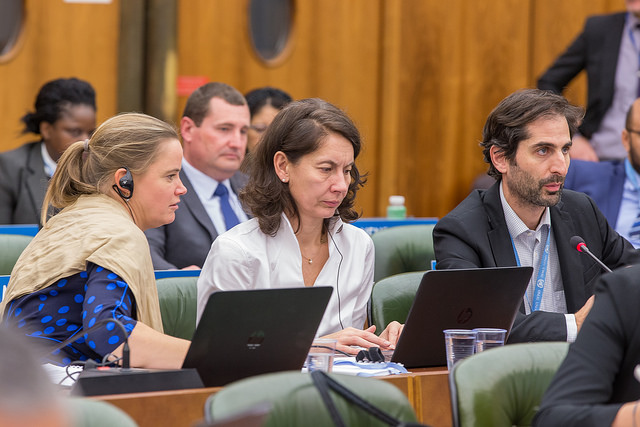
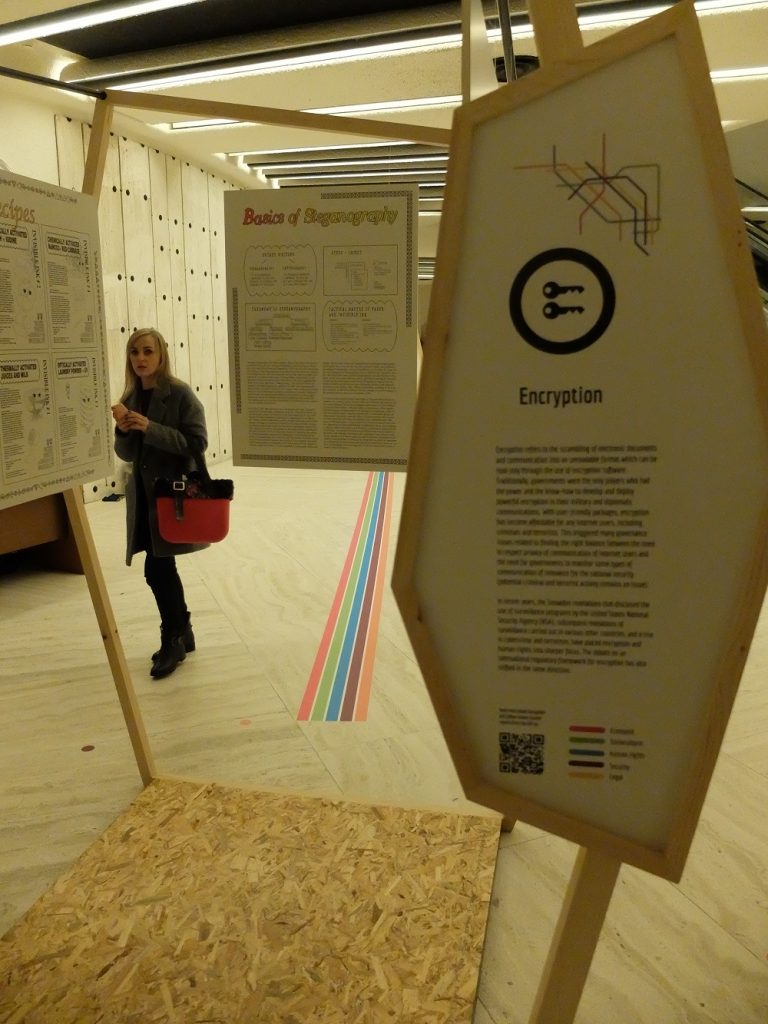
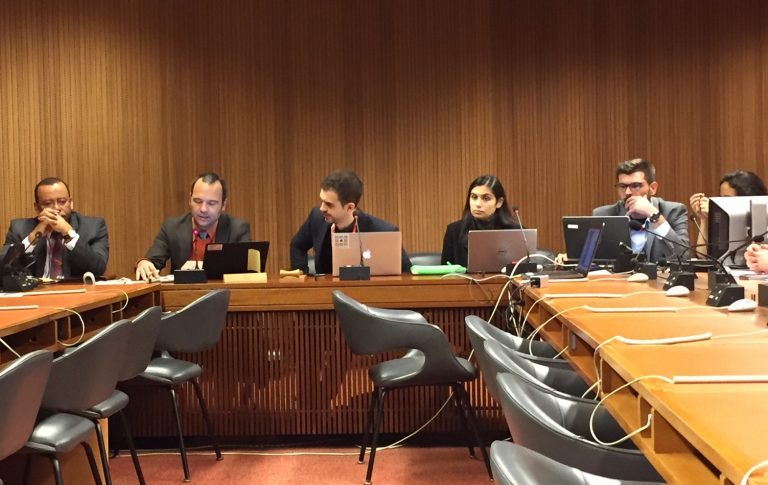
The days of unfettered access to internet content are over, Riana Pfefferkorn of the Stanford Center for Internet and Society told government representatives during a panel dedicated to state interference in encryption, organised by Brazil's registry Nic.br and CGI.br at the 12th Internet Governance Forum this week in Geneva. “Governments have to adapt,” the cryptography researcher said. A concern is, though, that governments will adapt by either lashing out to get backdoors in code, weaken encryption or legalize state hacking.
Fierce Fake News Regulation Rising From Fear Of Election Manipulation

The globally creeping fear of fake news in the wake of elections resulted in another harsh legislative proposal adopted by the Brazilian “Tribunal Superior Eleitoral” (TSE) earlier this week in Brasilia. The globally creeping fear of fake news in the wake of elections resulted in another harsh legislative proposal adopted by the Brazilian “Tribunal Superior Eleitoral” (TSE) earlier this week in Brasilia. The resolution lays out measures on how content must be removed upon notice in 24 hours by platform providers, a Brazilian activist said during one of the many debates on fake news and potential measures against it at the 12th Internet Governance Forum taking place this week in Geneva.

US Court Strikes Down Bar On Scandalous Trademarks

Yet another part of US trademark law is dead. On Friday, a US appellate court struck down a statutory provision that prohibited the registration of immoral or scandalous marks. The decision was almost inevitable, after a recent Supreme Court ruling applying the US Constitution’s free speech guarantees to trademark law. And it is likely to be followed by further successful court challenges to America’s trademark law.

WIPO Patent Law Committee Agrees On Future Work, Stays On Safe Path

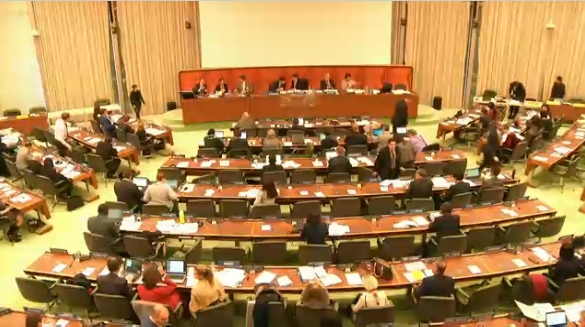
The mood was conciliatory this week at the World Intellectual Property Organization patent law committee as delegates mainly shared experiences and heard presentations. The five topics composing the work of the committee, which had been carefully negotiated in the summer and reflecting a “delicate balance” of interest between countries, will be pursued at the next session. Among them are the topics of patents and health, technology transfer, and the quality of patents.

London Declaration Report Shows Progress But More Needed Against Neglected Tropical Diseases

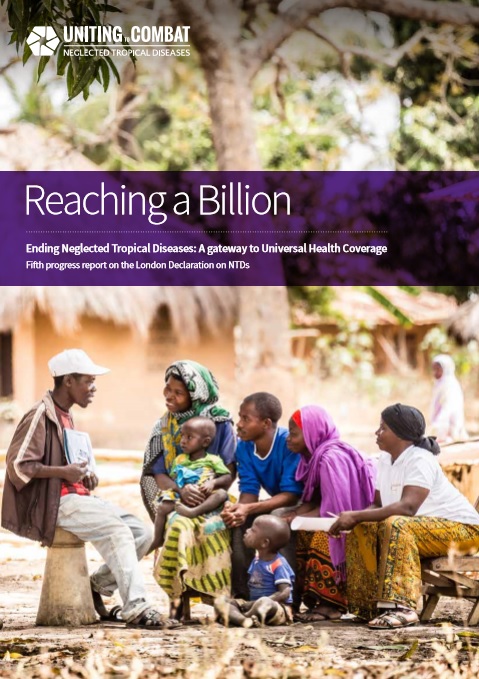
A newly released report by the wide-ranging joint London Declaration initiative to fight neglected tropical diseases shows progress in elimination of diseases and the number of people treated. However, in order to reach universal health coverage, efforts have to be intensified, according to the World Health Organization director general. The pharmaceutical industry, meanwhile, said it is ready to live up to its pledge made five years ago and expand donations programmes.

WIPO Gives Overview Of Its Legislative Assistance To Developing Countries

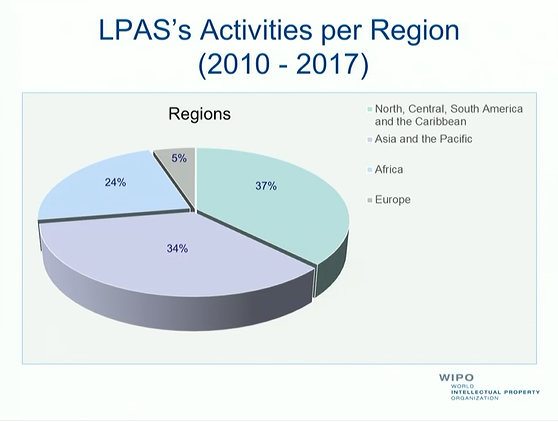
The World Intellectual Property Organization provides legislative assistance to countries upon request. This week during the meeting of the Standing Committee on the Law of Patents, the secretariat explained how WIPO provides this legislative assistance. This followed a 2015 proposal to revise WIPO’s 1979 Model Law for developing countries on inventions. The proposal was not accepted by developed countries concerned over the extent of the task, and some pointing out that WIPO is delivering more effective tailored legislative assistance.

WTO Ministerial Unable To Cut Deals; Members Set Up Plurilateral Groups On E-Commerce, Other Issues

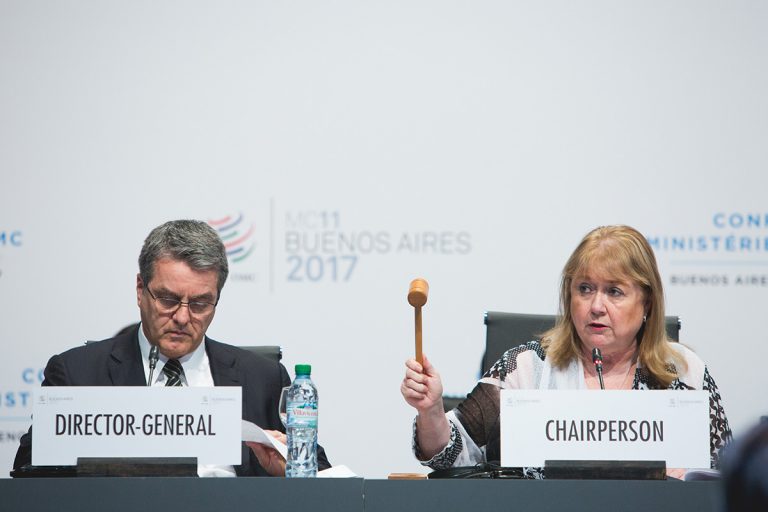
The 11th Ministerial Conference of the World Trade Organization (MC11) ended without a joint ministerial declaration and without progress in some of the important agenda points on the table. Instead several groups of “friends” announced they would push ahead independently, with 71 members including the United States and the European Union announcing they will “initiate exploratory work together toward future WTO negotiations on trade related aspects of electronic commerce.”

WIPO Delegates Told Patent Information Essential, Given Revealing Data On Medicines Access and Trade

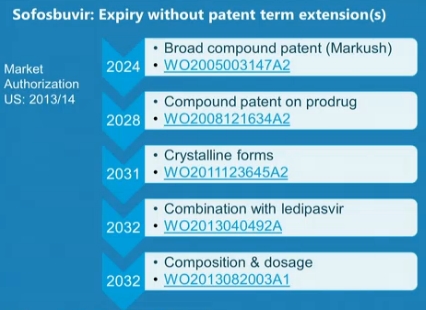
World Intellectual Property Organization patent law committee delegates heard a number of presentations this week on the relationship between patents and health, and access to medicines. The importance of patent information and accurate, up-to-date databases was underlined, particularly for procurement. The weight of intellectual property rights on the issue of access to medicines and prices and generic market entry was pointed out, but so were other factors, such as the small percentage of new drugs with added benefit, tariffs, and trade delays.

G-Finder Report: Global Funding For R&D In Neglected Diseases Increasing, Overreliance On US Funding Dangerous

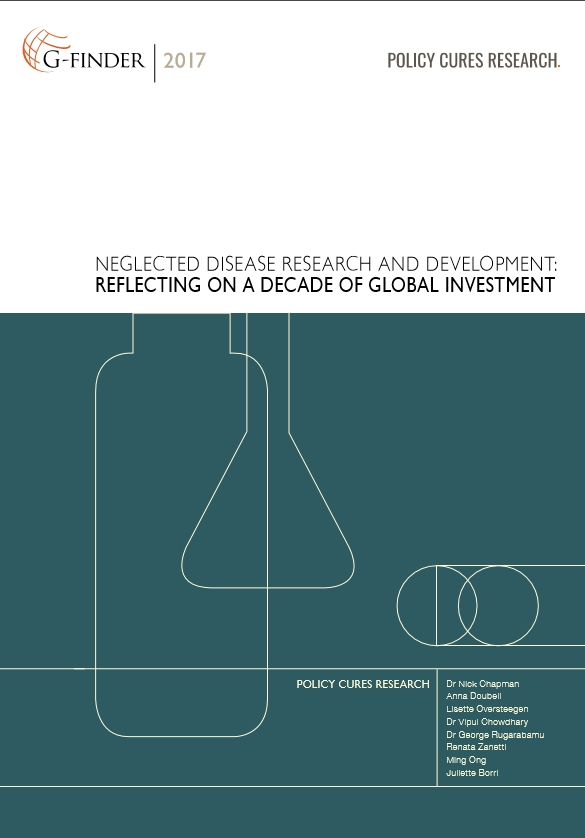
A report released today on global funding of research and development for neglected diseases found that global funding has increased but warns that overreliance on funding from the United States, which the report says is "unparalleled," and leads to a heavy concentration of global funding on HIV/AIDS, malaria and tuberculosis. This overreliance could also lead to change in total global funding, the report found.

Patents And Health Under Discussion At WIPO This Week: What Role For The UN IP Agency?

Patents are often involved in public health policy discussions, and are considered by some as playing a major role in the escalating prices of new medicines, creating access issues. The World Intellectual Property Organization committee on patent law this week is discussing the issue and is holding information sessions by the Medicines Patent Pool, World Health Organization, and the World Trade Organization.