Category IP Policies

Disclosure, Sanctions – Still To Be Overcome In WIPO Genetic Resources Negotiations

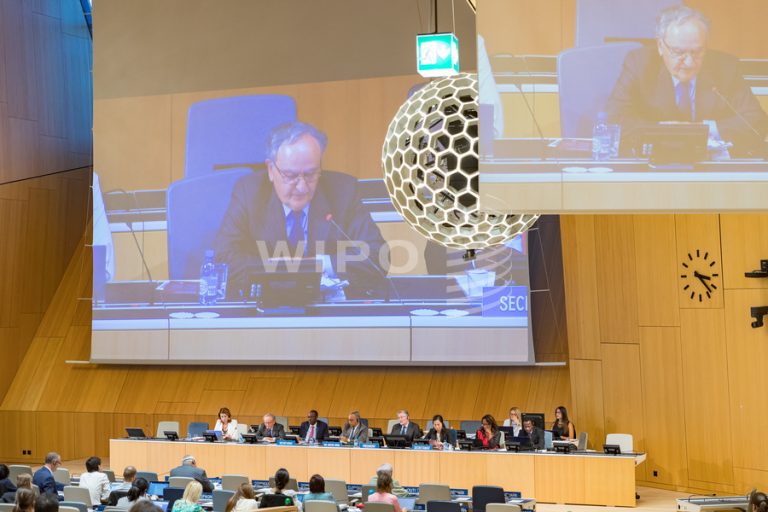
Efforts to draft new language to bridge gaps in this week’s negotiations on a potential treaty protecting genetic resources at the World Intellectual Property Organization were praised by a number of participants. However, what is now presented as a "package" proposition, focusing the instrument on patents, left some developing countries with the feeling that the concessions they made on the patent-only focus are not being met with a similar efforts by others, in particular on a proposed disclosure requirement for patent applicants.
Indigenous Knowledge Databases: Is It Something To Be Concerned About?

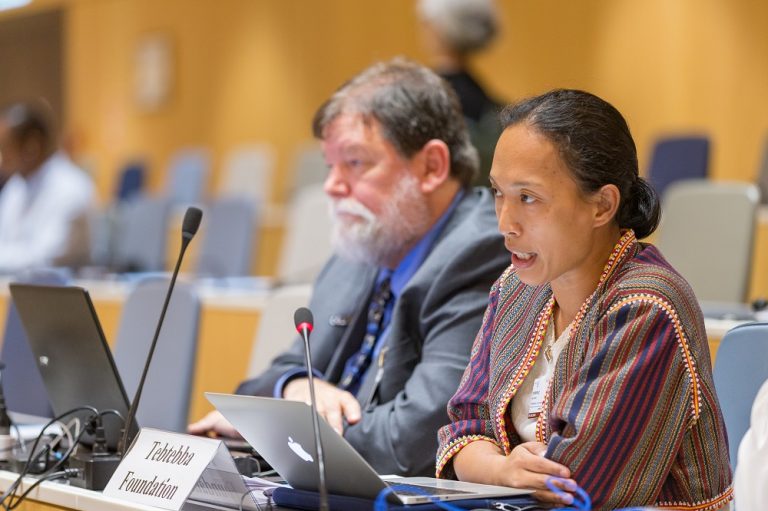
Almost all information today ends up in a database. It is organised and made readily accessible. While it sounds positive, for indigenous communities, it can be crucial. Databases of their knowledge, culture, and genetic resources, if misused, can undermine generations of community effort and maybe even their sustainability. A panel of indigenous peoples’ representatives presented their concerns about databases this week to governments attending a World Intellectual Property Organization meeting on genetic resources.

WIPO Genetic Resources Expert Group Ponders Disclosure Requirement, Databases

On the eve of this week's meeting of a World Intellectual Property Organization committee on genetic resources, an expert group met behind closed doors to discuss some of the more difficult issues. The report of the expert group to the full committee on 25 June confirmed differences but also common views and avenues to be explored, and has been carried into the week.

US Raises Economic Concerns About Proposals At WIPO On Patents And Genetic Resources

Normally known for sanguine views of rules to strengthen intellectual property rights globally, the United States government this week submitted a paper at the World Intellectual Property Organization putting forward private sector economic concerns about proposals to strengthen international rules for patenting of genetic resources aimed largely at helping developing countries.

US ITC Not Keeping Pace With Digital Revolution, New Report Argues

The rapid rise of digital technology in the twenty-first century places new demands on intellectual property protections, while presenting new challenges. A new report suggests that a leading US agency that investigates patent infringement may need to be updated to keep up.

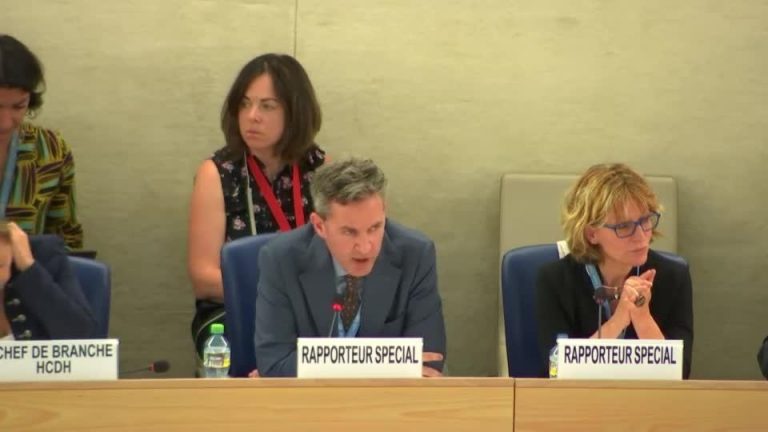
Human Rights Council Examines Safety Of Journalists And Protection Of Media

Article 19 of the United Nations Universal Declaration of Human Rights states that “[e]veryone has the right to freedom of opinion and expression.” Yet, there are still places around the world where people do not enjoy this right. This was one of the foci of discussion at the ongoing Human Rights Council meeting this week.

Internet Policy – Whois And GDPR: Sky Not Falling Just Yet?

The struggle over how to comply with Europe's new General Data Protection Regulation dominates the agenda of the upcoming meeting of the Internet Corporation for Assigned Names and Numbers (ICANN) in Panama. With the basic question how much data ICANN can ask its contractual partners to collect and store about its domain name customers, ICANN this week opened another hot topic to be discussed when publishing a paper on unified access to registration data. Meanwhile, trademark owners weighed in.

Expert Group Meets Ahead Of This Week’s WIPO Genetic Resources Negotiations

An expert group is meeting Sunday at the World Intellectual Property Organization, on the eve of a weeklong session of the WIPO committee on genetic resources and traditional knowledge. The expert group will address the most divisive issues in the discussions of the committee in charge of finding solutions to protect genetic resources, traditional knowledge and folklore against misuse and misappropriation.

On Questionable Legal Basis, US Court Expands Range Of Patentable Inventions

For more than a decade, the United States has been making it harder to obtain patents. A series of court rulings have steadily restricted the types of inventions that are patent-eligible. The tide, however, may be now turning. The Federal Circuit’s recent decision in Vanda Pharmaceuticals v. West-Ward Pharmaceuticals has opened the way to many future patents on biotech and personalized medicine. The ruling is a big step forward for the biotech and medical industries, and perhaps for patients seeking better medical care. But there’s a catch. Vanda could be overturned because it conflicts with the US Supreme Court’s 2012 decision in Mayo Collaborative Services v. Prometheus Laboratories.

Data Localization (Nearly) Banned In EU

The European Parliament, Council and European Commission on 19 June cut a deal on a new regulation on the free flow of non-personal data. The regulation, which is expected to pass the final votes in Parliament and Council without further issue, is a European answer to concerns over potential data localization obligations, which came into some demand following the Snowden revelations about intelligence services hoovering data from netizens.