New South African IP Policy Text Now Available
The new Intellectual Property Policy of South Africa has now been posted to a government website.

Original news and analysis on international IP policy
The new Intellectual Property Policy of South Africa has now been posted to a government website.
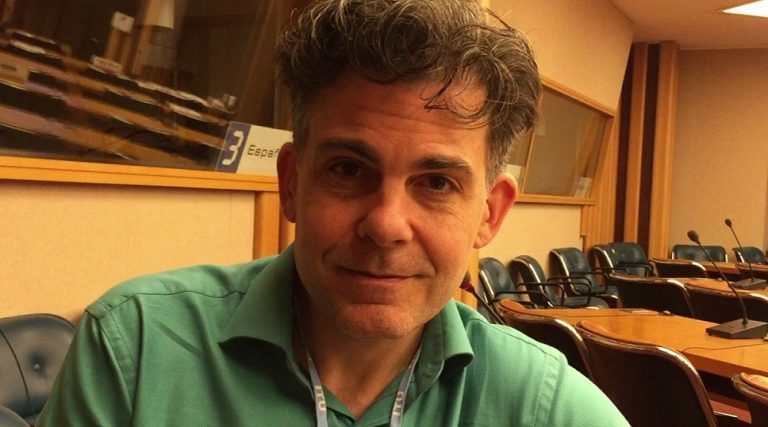
Sophia, the well-known human-like robot who acquired citizenship in Saudi Arabia, was at the Artificial Intelligence for Good Global Summit which took place earlier this month in Geneva. Her creator, David Hanson, also CEO and founder of Hanson Robotics, gave an interview to Intellectual Property Watch's Catherine Saez and explained his philosophy about intellectual property, the needed spark of interest in human-like robots, data collection, and innovation.
Hanson is also lead designer and inventor of key technologies including Frubber nanotech, facial expressions and AI software. He is former Walt Disney Imagineering designer, and recipient of numerous awards. A video interview about Sophia is embedded in this text.
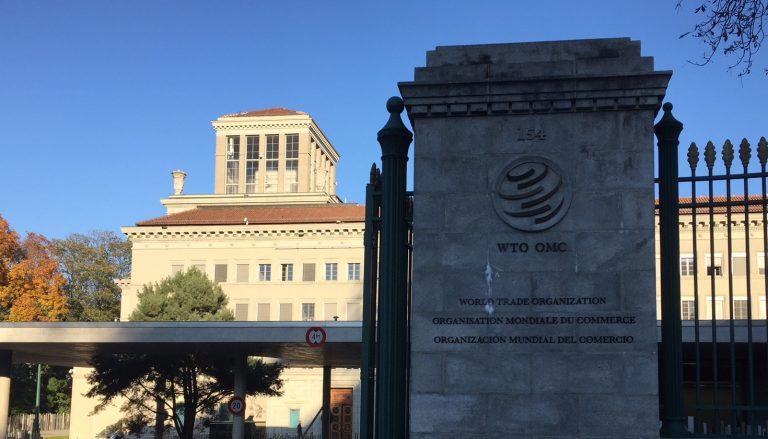
Next week, the World Trade Organization intellectual property committee is invited to discuss two distinct aspects of intellectual property protection. One group of countries is proposing to explore the value of IP and its role in improving lives in a persistent agenda item on IP and innovation. Another group of countries is pushing for a more recent agenda on IP and the public interest and next week is suggesting to discuss how to use competition laws against the abuse of IP rights.
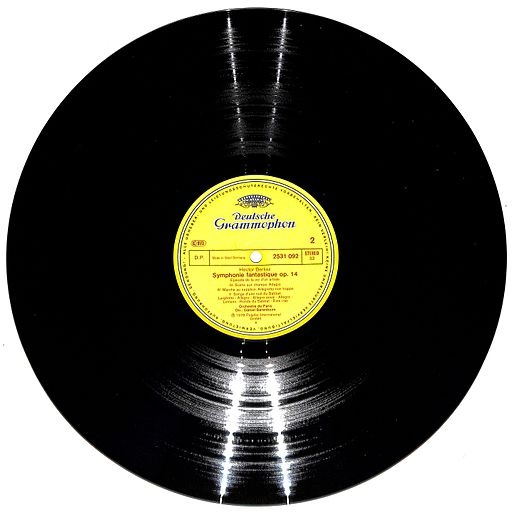
In a time when partisanship runs wild in the USA and the country’s political parties can’t seem to agree on anything, the Music Modernization Act is exceptional. The MMA passed the House of Representatives on 25 April with unanimous support. And for good reason. Almost all the major stakeholders back this legislation, which will bring some badly needed changes to copyright law’s treatment of music streaming. But wrapped in the MMA is a previously separate bill – the CLASSICS Act – that has been attacked by many copyright law experts, is opposed by many librarians and archivists, and runs counter to policy previously endorsed by the US Copyright Office.
Alongside next week’s World Trade Organization intellectual property committee meeting, Brazil, India, and South Africa are convening a workshop on the neighbouring World Health Organization's approach to substandard and falsified medicines.
Some three dozen global civil society groups have called on the G20 countries to set a digital agenda that puts the interests of people and their rights front and centre, in particular on privacy.
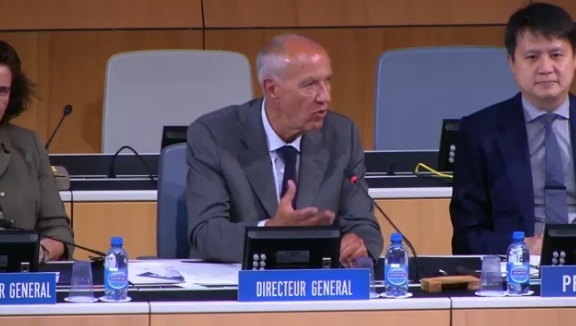
This week's meeting of the World Intellectual Property Organization copyright committee opened today with what officials perceived as good momentum. Argentina tabled a proposal to help discussions on deferred transmissions in the context of a potential treaty protecting broadcasting organisations, which have been a sticking point in negotiations. Civil society, however, voiced concerns on the provisions of a potential treaty protecting broadcasters against signal piracy, underlining the 50-year envisioned protection and the need to carve out strong limitations and exceptions.
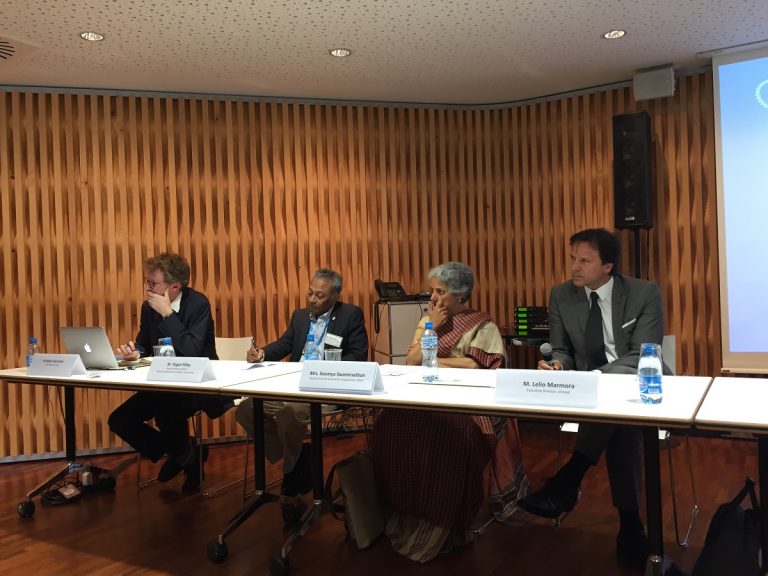
The Medicines Patent Pool announced this week that its Board agreed on the extension of the MPP mandate to patented medicines on the World Health Organization Essential Medicines List. The decision follows an extensive feasibility study. During a side event held on the margins of the annual World Health Assembly, Patent Pool officials explained the findings of the study, while in the audience, a representative of the pharmaceutical industry suggested a cautious approach.

The World Intellectual Property Organization copyright committee this morning started its weeklong meeting by rubber-stamping three nongovernmental organisations as observers, without discussion.
But a look at the website, www.ipcentreug.org, of one of the groups, as provided in the WIPO document as approved, states that the mission of the group is a "global conspiracy investigation institution" whose mission is to "free individuals and organizations from space lizards' control."

It took nine years of policy development, two different draft policies and various rounds of public consultation, to finally see Cabinet give the nod to the new Intellectual Property (IP) policy in South Africa.
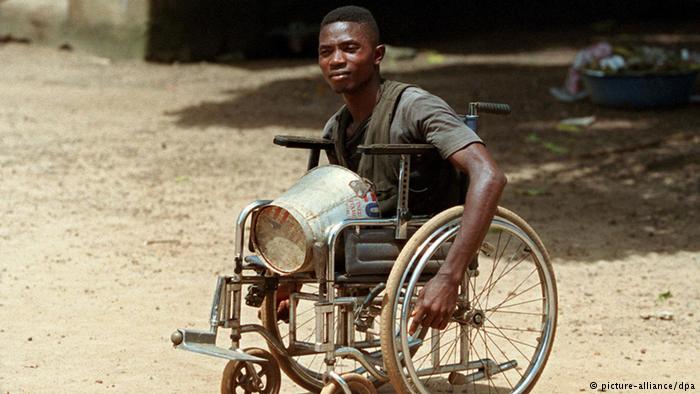
Some 90 percent of people in the world who need assistive technology – such as glasses, walkers, or hearing aids - cannot access it, with the worst deficiency in developing countries. Today, World Health Organization members agreed on a resolution to improve access to those technologies, with overwhelming support. The WHO is instructed to provide support to countries and prepare a global report by 2021. Member states are requested to promote innovation and find ways to reduce prices.
European Union member states today reportedly agreed on their negotiating position on the proposed copyright directive, and early reactions are unenthusiastic.