Category IP Policies

NGOs: Countries Pressured To Drop Reference To Affordable Medicines In UN TB Negotiations
United Nations members in the final days of negotiating the text of the declaration for a late September high-level meeting on tuberculosis have come under pressure from the United States to omit language referring to the importance of making affordable medicines available to patients in need, according to an urgent bulletin today from a health advocacy group.

Oppositions Filed Against Gilead Hepatitis C Patent Applications In India

Oppositions have been filed in India against two patent applications from US pharmaceutical company Gilead for important hepatitis C medicines, according to non-governmental sources. The opposition filings assert that these applications are “evergreening” patents and therefore violate Indian patent law.

Central Banks Consider Blockchain-Based Digital Currency At ITU Meeting

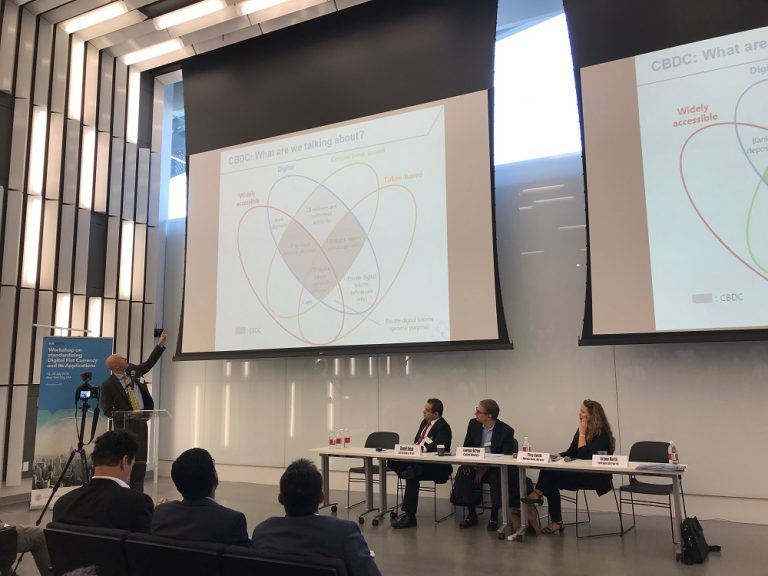
NEW YORK – The UN International Telecommunication Union’s Digit Fiat Currency (ITU-DFC) Focus Group is meeting in New York this week to consider the potential promise and pitfalls of central bank-issued digital currency.

Dangers Of Means Plus Function Limitations In US Patent Prosecution

Broad patent protection is one of the goals when securing patent protection for inventions (i.e., new products and services). However, issues start to arise when the claim language becomes too broad. For example, broad claims might be construed as a means plus function limitation against the intentions of the patent prosecutor, and in some cases, those patents are invalidated as being indefinite. At least, this is the case with US patent prosecution. The patent laws of other jurisdictions treat means plus function style of claiming differently, and in my experience, less detrimental to the validity of the patent, writes James Yang.

WIPO Looks At Importance Of Standards Documents, Collaboration Of IP Offices And Standards Organisations

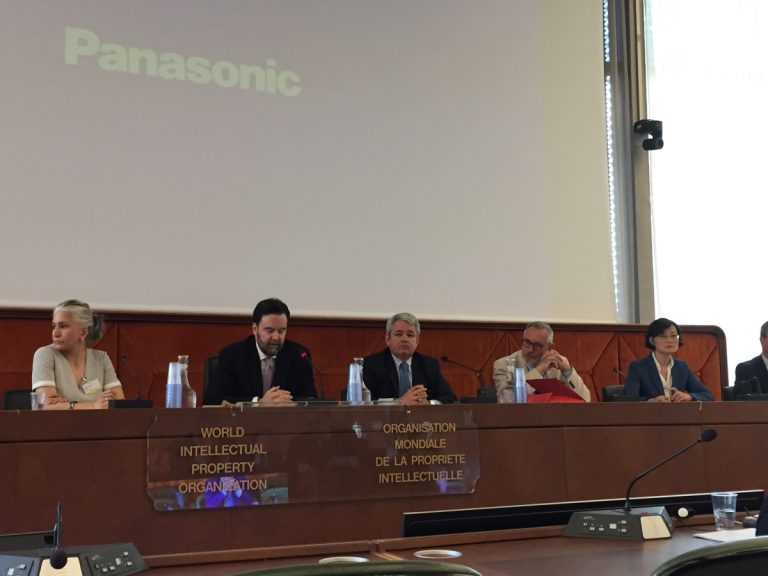
Common standards are essential for technologies, particularly for interoperability. However, a number of technologies essential to standards are patented, which has created issues relating to licensing or high royalties. Last week, the World Intellectual Property Organization organised an information session on patents and standards, including aspects of patent quality, issues relating to international trade, and the role of the organisation in facilitating the relationship between patents and standards.

Global Innovation Divide: Can Investment In Innovation Bridge The Gap?

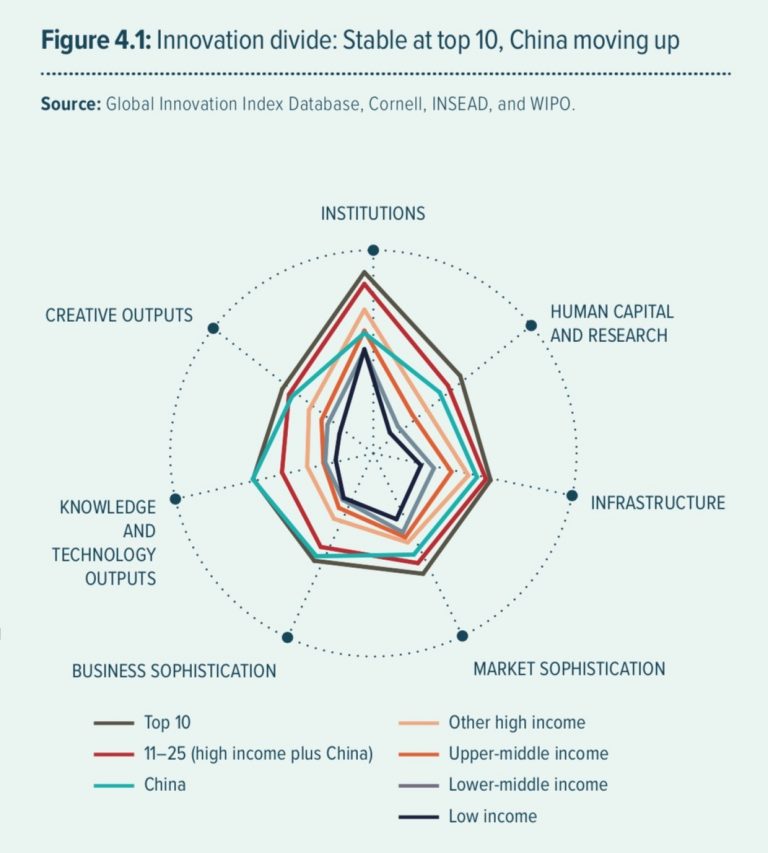
The Global Innovation Index 2018, launched on 10 July in New York, has lauded the rise of China as a model for how other low and middle-income economies can advance on innovation. Amid this optimism, however, the global innovation divide remains in step with the global income divide, raising questions for how to bridge this gap. The new index shows signs of progress.

Outcome Of ITU Global Regulators Symposium: Interview With Brahima Sanou

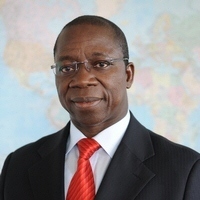
Heads of national information and telecommunications regulatory authorities gathered in Geneva for an annual symposium, and agreed on global best practice guidelines for the new digital ecosystem. After the meeting, Brahima Sanou, head of the UN International Telecommunication Union Development Bureau answered Intellectual Property Watch on the outcome of the meeting, and topics such as privacy and the digital divide.

Balance Achieved In Future Work For WIPO Patent Law Committee, Delegates Say

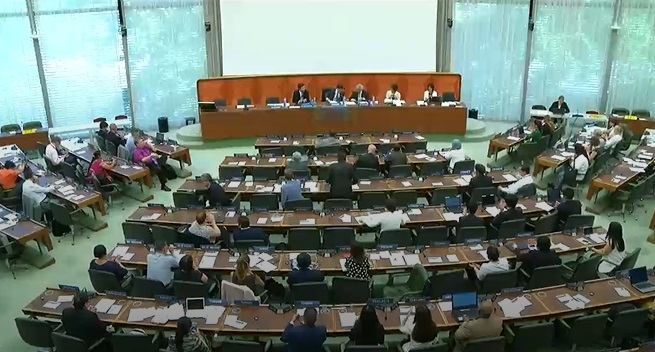
The last World Intellectual Property Organization committee before the summer break ended on a happy note this week. After some time spent tweaking the future work of the WIPO committee on the law of patents, delegates appeared satisfied with the balance achieved. The week saw plans for conferences, numerous new proposals and calls for reports, on subjects such as research exceptions, patents and medicines access, compulsory licensing, technology transfer, and patent quality.