Category Features

When Machines Create Intellectual Property, Who Owns What?

The concept of machines that can think and create in ways that are indistinguishable from humans has been the stuff of science fiction for decades. Now, following major advances in artificial intelligence (AI), intellectual property created by machines without human input is fast becoming a reality. The development thus begs the question among legal scholars, legislative bodies, and judiciary branches of governments worldwide of who owns the intellectual property that humans did not create.
New Gene-Editing Technology Whets Appetites In Health, Food Industry, Fuels Patent Fights

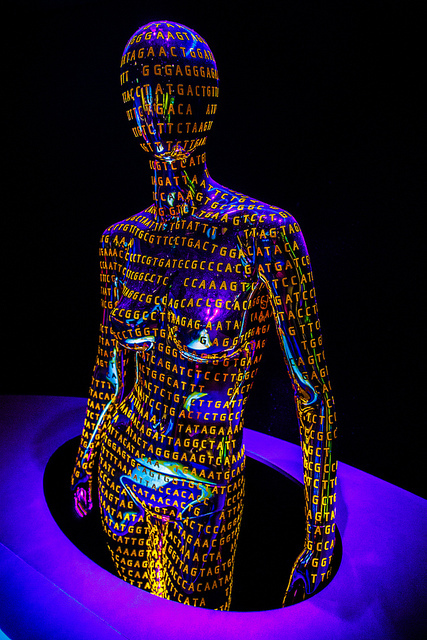
A new discovery allowing easier and swifter genome editing, considered by some as a major game changer in the field of biology, is opening doors to new technological wonders in many areas, such as medicines and agriculture. Yesterday, the United States Patent and Trademark Office issued a ruling on a case where two US university laboratories both claimed the invention of a genome editing technique. The USPTO decided that the two universities had made distinct discoveries. In Europe, patents from both universities on the technology are also challenged at the European Patent Office.

Special Report: WHO Board Sets Review Of 10-Year Effort To Boost Medicines Access, Affordability

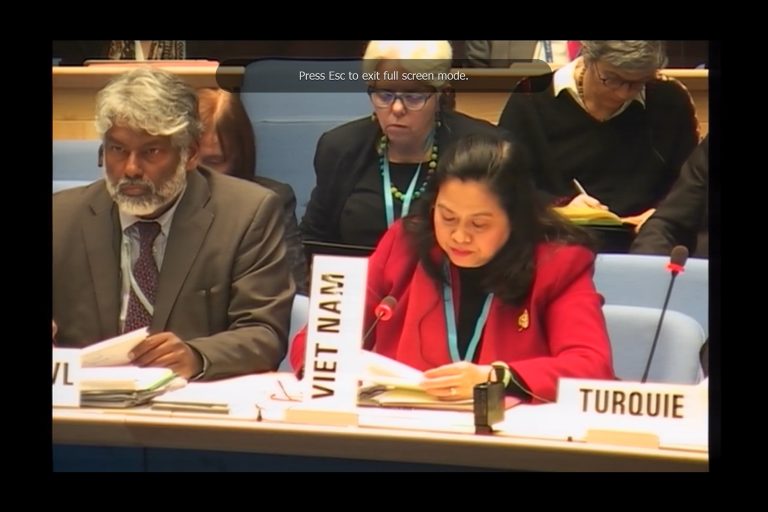
Once considered a breakthrough in negotiations to address problems of making cutting-edge medical products and research available to poor countries, the decade-old World Health Organization Global Strategy and Plan of Action on Public Health, Innovation and Intellectual Property (GSPOA) is now undergoing review, with the WHO Executive Board calling for a report on the initiative and plans for its future next year.

Geneva Health Campus: New Home For Global Fund, GAVI, Unitaid In 2018

The construction of a new building to host the Global Fund to Fight AIDS, Tuberculosis and Malaria and other key players in the area of global health is well under way in Geneva. The “Campus Santé” (Health Campus) is expected to open its doors at the beginning of 2018. The hosts of the building will be tenants, while the investment costs are borne by Crédit Suisse, a prominent Swiss investment bank.

Potential Treaty To Protect Broadcasters’ IP Rights: Technicalities Explained

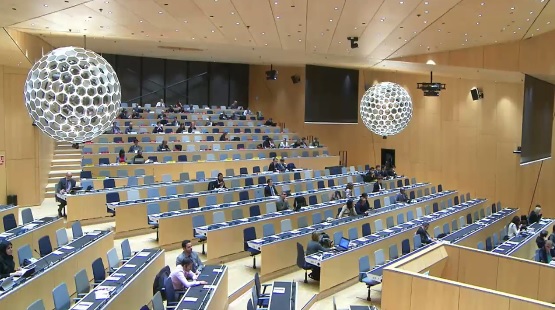
Negotiations for a treaty providing protections for broadcasting organisations have been long and difficult at the World Intellectual Property Organization. In the corridors of WIPO, questions to a number of delegates are often answered with a puzzled look and what seems to be little understanding of technical issues. Intellectual Property Watch recently tried to untangle some of the technicalities of the discussions.

The New Caribbean Patent Convention And Caricom Stasis

Abiola Inniss writes: The creation of the Caribbean Patent Convention under the auspices of Caricom is a long awaited and most welcome development towards the harmonization of intellectual property laws in the region. Even more importantly, it is an indication that Caricom leadership has at long last, after a lengthy period of stagnation and indeterminacy, finally decided to engage the process of thought and action necessary for the promulgation of a legal and regulatory framework for Caribbean intellectual property. The convention is expected to be enacted later in 2017.

Year Ahead: A Rather Speculative Year In Global Trade

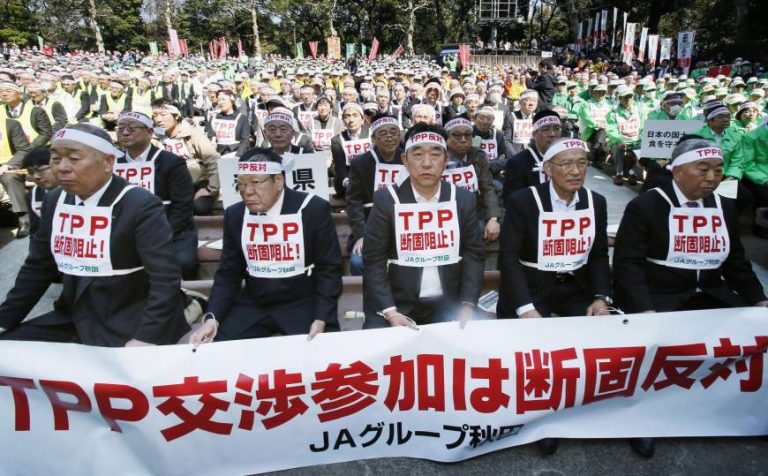
An interesting year lies ahead for trade policymakers. With US President Donald Trump sticking to his “America First” announcement pulling back from the Trans-Pacific Partnership right away, a new trade (world) order might be in the making. In every crisis, there is opportunity, Argentinian Trade Minister Susana Malcora said in Davos during the January World Economic Forum (WEF) where the business elite otherwise traded concerns at the beginning of an unpredictable year 2017.

A Case For Trade Enforcement: Colombia And Intellectual Property

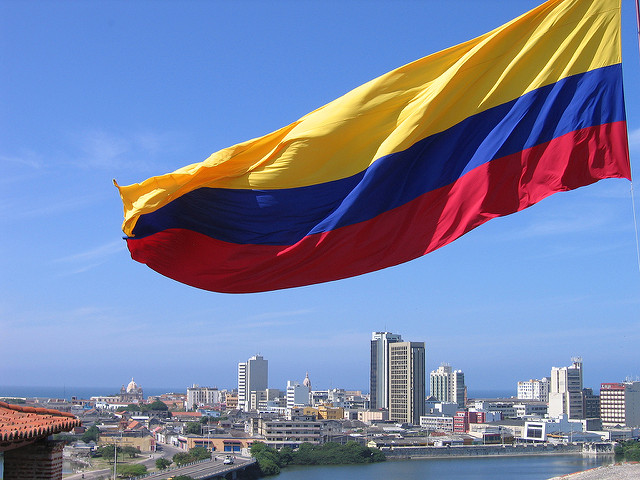
President Trump and members of his administration have rightly talked about the need to be tougher on trade enforcement, including promising to take a closer look at existing trade agreements to see whether they should be revoked, renegotiated, or more strictly enforced. A candidate ripe for review is Colombia, and in particular, its ongoing failure to implement intellectual property provisions under the U.S. Colombia Trade Promotion Agreement (TPA), Nigel Corey writes.

Year Ahead: Copyright Issues Rank High On EU To-Do List This Year

Copyright, copyright and more copyright tops Europe's intellectual property agenda for 2017. With the EU institutions mulling major reforms to copyright laws, publishers are pushing for a right to bar unauthorised copying or reuse of their content for commercial purposes, audiovisual authors for fair remuneration for use of their works on platforms like YouTube. The European Commission will begin reviewing the enforcement of IP rights as well as delving further into issues related to liability of platforms for infringement. But there are many patent issues too, including plant variety protection, patent incentives, and the ongoing unitary patent court.

Giving Process Its Due When An SDO Changes Rules Of The Game

George Willingmyre writes: The process a Standards Developing Organization (SDO) employs to revise its patent policy is an aspect of the SDO’s competitive posture in the global marketplace. A dearth of research exists on the processes SDOs employ to revise their patent policies. Generally, the processes an SDO uses to revise its patent policy are part of the governance processes of the SDO. As a baseline, the governance processes of an SDO must be consistent with the applicable legal system defining what is acceptable and unacceptable behavior. What an SDO says about its governance processes is a further consideration. Thus the procedures themselves, the procedures’ relationship to the applicable legal system and what the SDO says about the procedures all play a role in understanding how an SDO revises its patent policy.

IP Law In The US: A Look Ahead

Whatever else could be said of 2016, it was undeniably interesting. That’s likely to be true, too, for 2017. Even the staid area of US Intellectual Property Law may face dramatic changes. Here's the likely most important of those changes.