Category Features

Global Biotech Industry Tests Policy Waters In Geneva

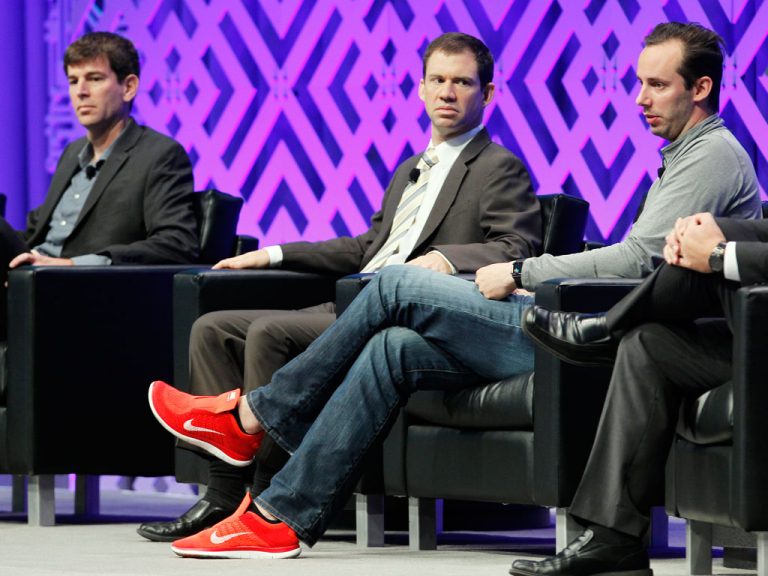
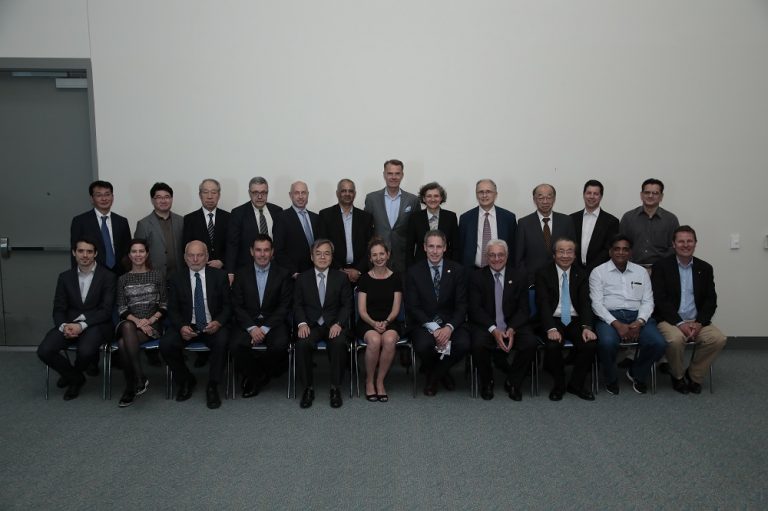
A delegation of heads of biotechnology companies visited Geneva this month to present the International Confederation of Biotechnology Trade Associations (ICBA). The ICBA was created in 2012, but is now looking to make its voice heard in Geneva and inform policy discussions, and is finding it is not easy to become an observer in some organisations. They also underlined the importance of intellectual property for the biotech sector, in particular to attract indispensable capital. The delegation sat down with Intellectual Property Watch’s Catherine Saez to talk about their Geneva visit.

EU-MERCOSUR FTA Puts At Risk Access To Medicines In Brazil, New Impact Assessment Study Finds

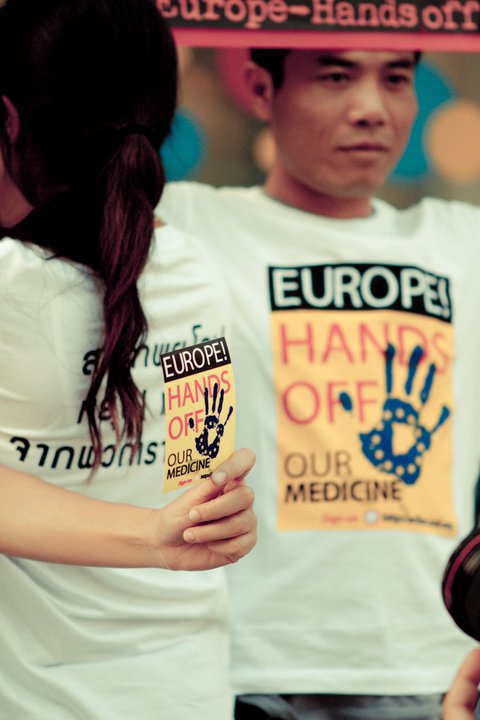
The European Union (EU) is currently negotiating a free trade agreement (FTA) with the four founding members of Mercosur (Argentina, Brazil, Paraguay and Uruguay), which comprises a chapter on intellectual property rights (IPR). A new round of negotiations is taking place from November 29th to December 8th in Brussels[1]. Word is that they aim to announce the closure of the agreement at the next World Trade Organization (WTO) Ministerial Conference that will be held from 10-13 of December in Buenos Aires and the clock is ticking to close all the chapters before that. The authors have conducted a study that shows the adoption of the measures proposed by the EU could put the sustainability of access to health policies in Brazil at risk, as they could sharply increase public expenditures on medicines.

Must All Foreigners Online Comply With US Copyright Law? (Part 1 of 2)

US copyright law is supposed to apply only within US borders, not to actions done in Poland. But when a company in Poland streamed copyrighted TV shows into the US, that infringed US copyrights, according to a US trial court. This decision will be upheld on appeal, experts widely expect. Such an appellate decision, however, could expand the reach of US copyright law to a problematic extent. It will be tricky to find infringement in this case without also extending US copyright law to any online content posted anywhere on the globe.

TWN – Proposed WHO Criteria On Medicines In Transit Open Door For Seizures

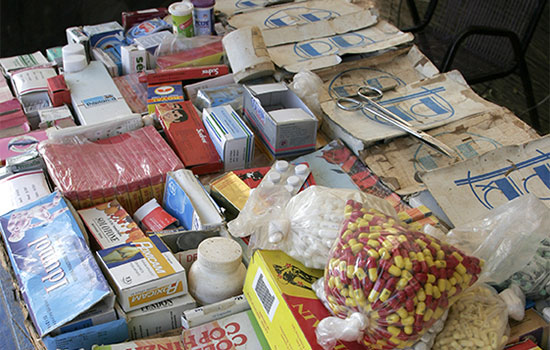
Geneva, 21 Nov (TWN) - A discussion document prepared by the Secretariat of the World Health Organization (WHO) proposes criteria to justify interventions with respect to medicines in transit. This document is prepared for the 6th meeting of the Member State Mechanism (MSM) to be held from 28 November to 1 December at the WHO headquarters in Geneva, writes Third World Network.

Studies Presented At WIPO To Better Understand Limitations To Copyright

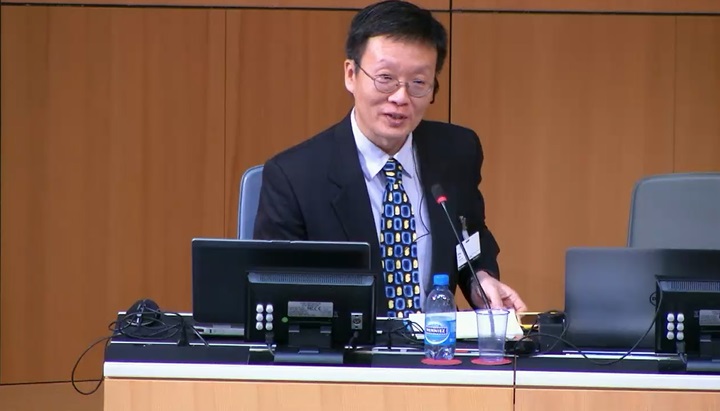
With no consensus on conducting normative work at the World Intellectual Property Organization on the limitations to copyright for certain actors such as persons with disabilities, educational institutions, and museums, the committee on copyright had agreed on several studies so the issues are better understood. This week, several of those studies were presented to the committee and shed some further light on the issues.

Custom Built Software And The IP Law – What You Need To Know

The practice of building custom software is alive and well despite the emergence of tons of ready to use offline and online business apps. Businesses build custom software for various reasons. Some are unsatisfied by solutions available on the market, others need very specific features or overall functionality, security and privacy concerns are another major driver of tailored software development. The process of building custom software involves five basic stages, if you stick to traditional software development workflow, or an indefinite number of iterations under agile development method. Both approaches, however, include various scenarios in which intellectual property rights are involved, writes Jorge Sagastume.

The User Rights Database: Measuring The Impact Of Copyright Balance

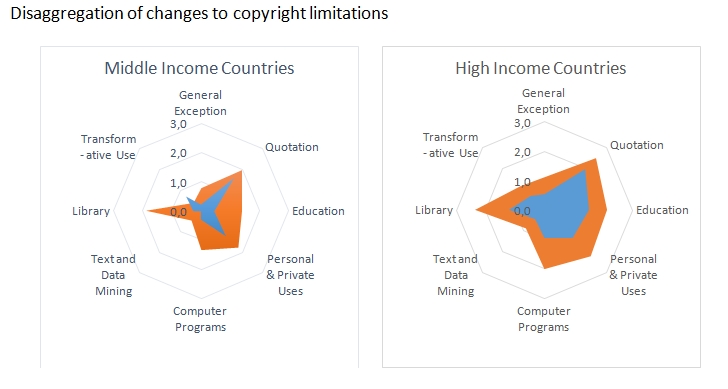
PIJIP’s Copyright User Rights Database tracks changes to copyright user rights (aka limitations and exceptions) over time in a sample of 21 countries of different development levels. The data assesses the degree to which other countries have adopted exceptions that are as open as the US fair use right – i.e. open to a use of any kind of work, by any kind of user and for any purpose. The instrument and results are available at infojustice.org/survey.

A Look Back: Challenges Of Open Access In 2017 (An Industry Perspective)

Suzanne Kavanagh writes: Over the course of the year, three issues repeatedly reared their heads as barriers to the successful implementation of Open Access: the burden of expected author OA expertise; the underutilization of metadata in the publication lifecycle, and the challenges posed to authors and institutions by one-off solutions. As the tenth Open Access Week draws to a close, with its focus on the concrete benefits of making scholarly research openly available, where have we gotten to in solving these problems and realizing the potential of OA?

Reaping The Benefits Of Artificial Intelligence

Your brand is everything in the global marketplace. It is no exaggeration to say that a business now lives and dies by both its offline, online and social reputation. Because of this, searching a trademark is more vital than ever before. It is important for trademark professionals to work faster and more effectively in searching, clearing and registering strong marks to ensure clients have a competitive advantage. To do so requires the merging of the old and new: the specific knowledge that only highly experienced trademark experts can provide, with the advantages of the latest wave of artificial intelligence (AI) technology, writes Ronda Majure.