Guest contributor

Guest contributor

Protecting Online Access To Safe And Affordable Medication

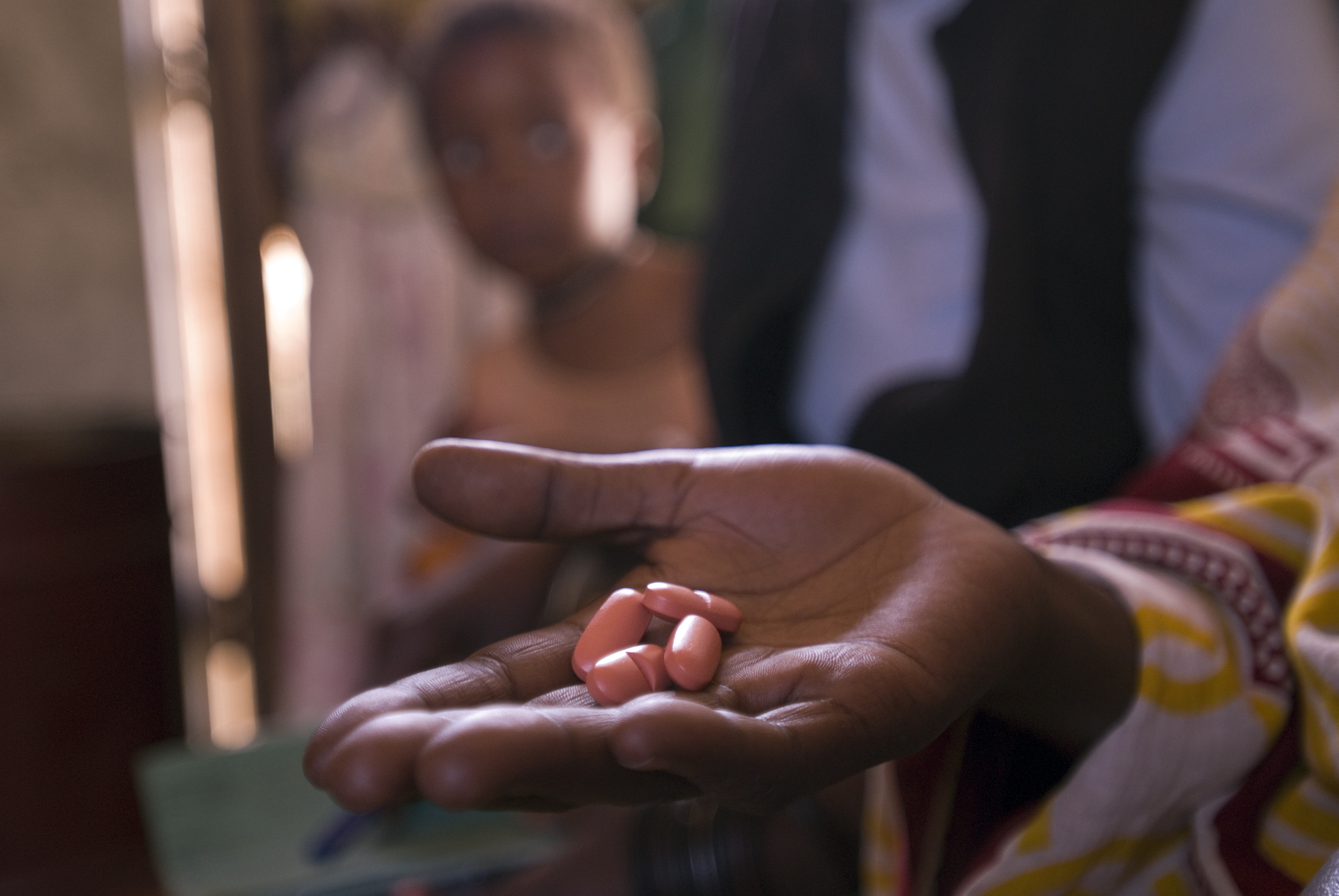
High drug prices are a global public health crisis. This is mostly the case among lower income countries but also for citizens and residents in the US, where tens of millions are not filling prescriptions due to cost. The international online marketplace is a much-needed lifeline for consumers who cannot afford prescription medication where they live. People deserve the widest possible access to safe and affordable medication, including online access, and the Internet community can help, says Gabriel Levitt.


Freedom To Utilize Genetic Resources? The Nagoya Protocol Two Years Later

At its second anniversary, the Nagoya Protocol is ushering in an international access and benefit-sharing (ABS) system that may impact the freedom to operate with genetic resources. Those who utilize genetic resources and information should understand the emerging framework and take actions to reduce the risk of patent invalidation, legal liability and reputational harm that may flow from a violation of ABS requirements, writes Bruce S. Manheim.

Which “Brazil” Will Chair The Marrakesh Treaty Assembly?

The supposedly impossible happened: The Marrakesh Treaty entered into force on 30 September, three months after reaching the necessary minimum of 20 ratifications. By then, 22 countries had done so – two more did so during the Marrakesh Assembly.

Online Brand Protection In One Convenient Step

Managing a brand and trademark portfolio is a demanding undertaking that can require expert precision to prevent unsavory characters and companies from stealing intellectual property. Tools are needed to help companies better manage their IP assets in a more expedient and comprehensive fashion, writes Mason Cole of Donuts.

Innovation And Access: Fission Or Fusion? Interview With Jennifer Dent, President, BIO Ventures For Global Health (BVGH)

In the light of the UN High-Level Panel on Access to Medicines, this series of sponsored articles challenges experts to give their views on the policies that best support the development of solutions to societies’ greatest challenges and how enabling policy environments, including IP systems, influence the development and flow of new technologies and services in different sectors, fields of technology, and jurisdictions. The views expressed in the articles are those of the authors. Below is an interview with Jennifer Dent, President, BIO Ventures for Global Health (BVGH).

The Downfall Of Invention: A Broken Patent System

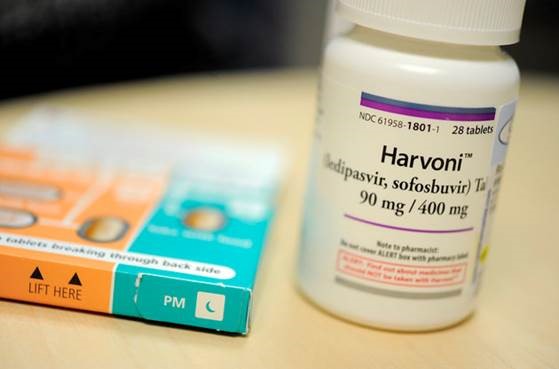
The cost of dozens of brand-name drugs have nearly doubled in just the past five years. Public outrage over drug prices extends from Capitol Hill to the presidential candidates to patients. In response, pharmaceutical executives are spending more on lobbying and marketing. Yet for all this attention, most of the proposed solutions for reducing prescription drug costs—tougher negotiations, appeals for transparent R&D costs or investigations into insurers—miss one of the primary sources of the problem: the way we award patents, writes Tahir Amin.

Number Of Unique Patent Assertions Declined Over Years, Patexia Finds

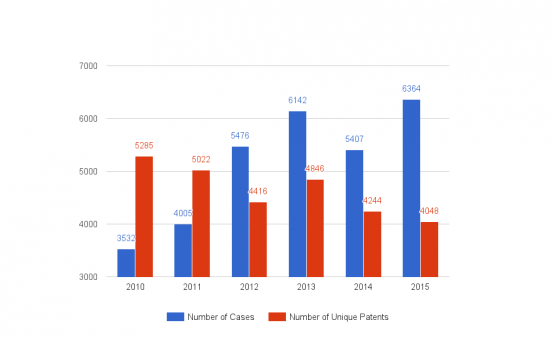
Pedram Sameni of Patexia writes: We recently studied the PTAB data and suggested that although the rise and fall in litigation indirectly affected the rise and fall in IPR challenges, the true driver of IPR challenges is the number of unique patents asserted each year. To learn more, we decided to look at the number of unique patents asserted against different defendants since 2010. We made several interesting discoveries, including the surprising fact that even though the number of cases has been rising, the number of unique patents asserted each year has been declining.

Focus On Medicines Patents & Prices Alone May Do More Harm Than Good

Populism is in vogue these days and critics of pharmaceutical patents are trying to ride the wave, claiming that undermining patents will dramatically decrease prices but not reduce innovation. Both sides of that claim are flawed, writes Steven Tepp.