David Branigan

David Branigan

Record Cybersquatting Cases Filed With WIPO In 2018
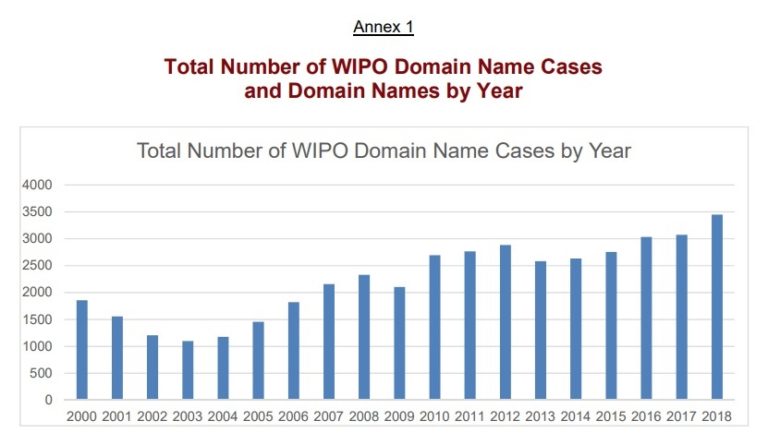
The World Intellectual Property Organization received a record 3,447 domain name dispute cases from trademark owners in 2018 – up 12 percent from the previous year. In addition, there was a 15 percent increase in alternative dispute resolution cases, according to WIPO.

Chinese IP Officials Complete Study Of UK, European IP Law

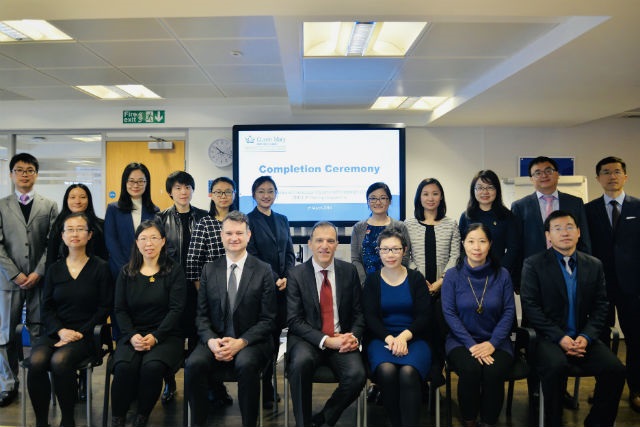
A cohort of senior Chinese officials from the China National Intellectual Property Administration (CNIPA) has graduated from a four-month training programme at the Intellectual Property Research Institute of Queen Mary University of London.

Innovation And Regulation Of Gene-Edited Vegetables: An Interview With IP Lawyer Chris Holly

Chris Holly is a practicing intellectual property lawyer with extensive experience helping clients leverage IP portfolios in the agriculture, food, microbiology and biotechnology industries. Intellectual Property Watch's David Branigan interviewed Holly to gain his perspective on the technological, regulatory and intellectual property considerations of next generation plant breeding techniques, in particular those that involve gene editing using CRISPR technology.

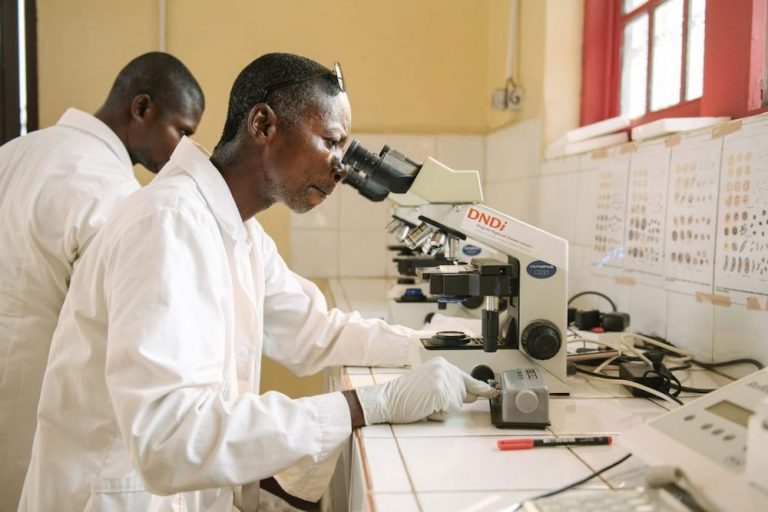
New Research Study Describes DNDi As A “Commons” For Public Health

Since 2003, Drugs for Neglected Diseases Initiative (DNDi) has worked to meet the public health needs of neglected populations by filling gaps in drug development left by the for-profit pharmaceutical industry. A new research study by the French Development Agency analysed DNDi’s unique product development partnership (PDP) model, and found that it “illustrate[s] what can be presented as a ‘commons’ within the area of public health.”

Agreement On SPC Manufacturing Waiver Reached, Benefitting EU Generic, Biosimilar Industry

The European Council reached a political agreement today on the SPC Manufacturing Waiver, which will allow the manufacture of generic and biosimilar medicines in the European Union for export and stockpiling during the period of extended patent protection provided for by the EU. This waiver will enable EU generic and biosimilar industries to benefit from sales outside the EU where patents have already expired, and to prepare to provide the EU market as soon as the extended period of patent protection ends.

Women On The Rise In Patent Filings, But Still Underutilised Potential, USPTO Says

The United States Patent and Trademark Office (USPTO) released a report on 11 February showing an increase in US patents that include at least one woman inventor from 7 percent in the 1980s to 21 percent by 2016. This is still a “small minority” of patented inventors, the report finds, and suggests that it indicates an “underutilisation” of women’s innovative potential.

US Industry IP Index Released: US Advances, India Shows Leadership, EU, Singapore Near Top

The leading United States industry association yesterday released its annual International Intellectual Property Index, ranking countries on their progress in protecting US intellectual property rights. The ranks show the US advancing in the area of patent protection, while retaining the top overall score; India strengthening IP and charting a course for other developing countries; and EU countries dominating the higher scoring bracket with Singapore first on patent protection.

WHO Member States Call For Transparency, Access To Innovation On Cancer Drug Pricing

A substantive discussion took place at the World Health Organization Executive Board meeting yesterday in response to a recently released WHO report on cancer drug pricing. Among the variety of perspectives expressed, many formed consensus in calling for increased transparency of research and development (R&D) costs and equitable access to innovative cancer drugs.

Open Access Advocates See End Of US Copyright Term Extension Act As Win For Commons

Open access advocates in the United States are celebrating the expiration, and non-renewal, of the Copyright Term Extension Act, which introduces into the public domain all works from 1923, and signals an end of the practice by US lawmakers to continually extend the terms of copyright protection.

Leading figures from groups such as Creative Commons and Wikimedia Foundation gathered to discuss why this shift in policy took place, and what it means for the public domain. They asserted that this change is the result of a general acceptance of the value of “the commons,” brought on in part by the era of the internet.