David Branigan

David Branigan

India Proposes Expediting Patents For Women, Small Entities, Waiving PCT Fees

The Indian Ministry of Commerce and Industry from the Department of Industrial Policy and Promotion recently published draft amendments to the Patent Rules of 2003 that would expand the eligibility for expedited examination of patent applications to include women and small entities, and would waive the fees for online filing of international patent applications through the Patent Cooperation Treaty (PCT), among other changes.

WHO Report Shows Global Progress On Influenza Preparedness Response

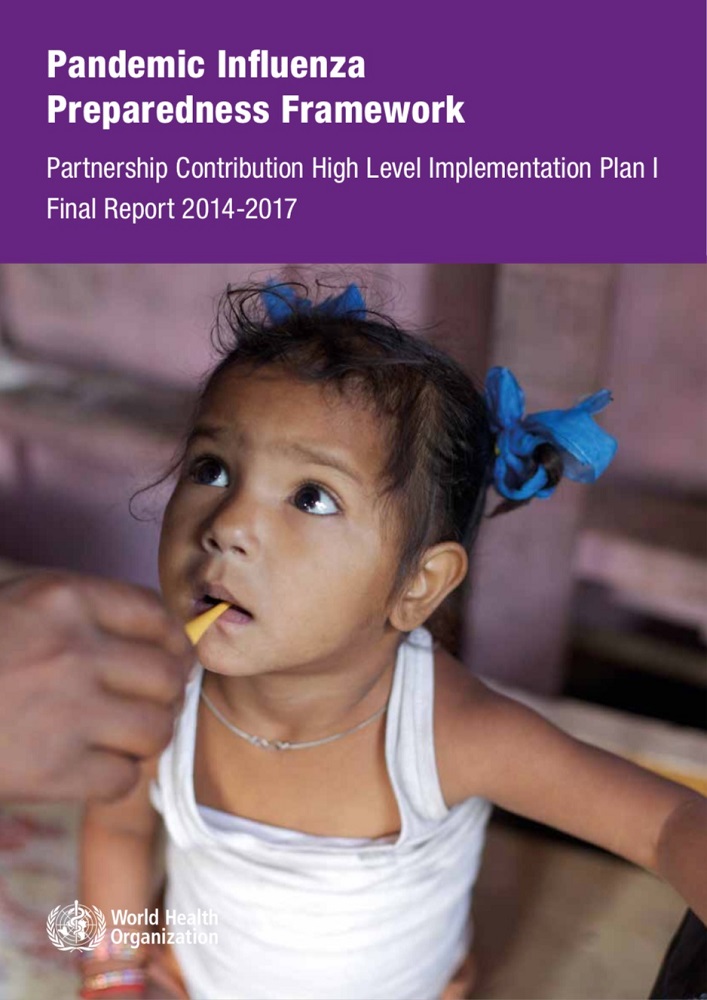
The World Health Organization has released a new report showing that significant progress has been made to build national and global preparedness for future influenza pandemics. This progress resulted from the collaborative multi-sectoral implementation of a WHO plan, funded by the benefit-sharing contributions of industry partners, to strengthen global health security against pandemic influenza.

EU Committees Amend SPC Manufacturing Waiver, Push Access To Generics, Biosimilars

The European Parliamentary Committees on Health and Trade have each voted in recent weeks to adopt amendments to the proposed Special Protection Certificate (SPC) manufacturing waiver, an intellectual property exception for the EU generic and biosimilar industry. The amendments include provisions that push the waiver toward increasing EU generic and biosimilar industry competitiveness in EU markets, and improving access for EU patients to affordable medicines. The waiver and amendments still have several hurdles to go, including a vote by the Legal Affairs Committee planned for January.

OECD Report Presents Policies To Balance Innovation With Access To Medicines

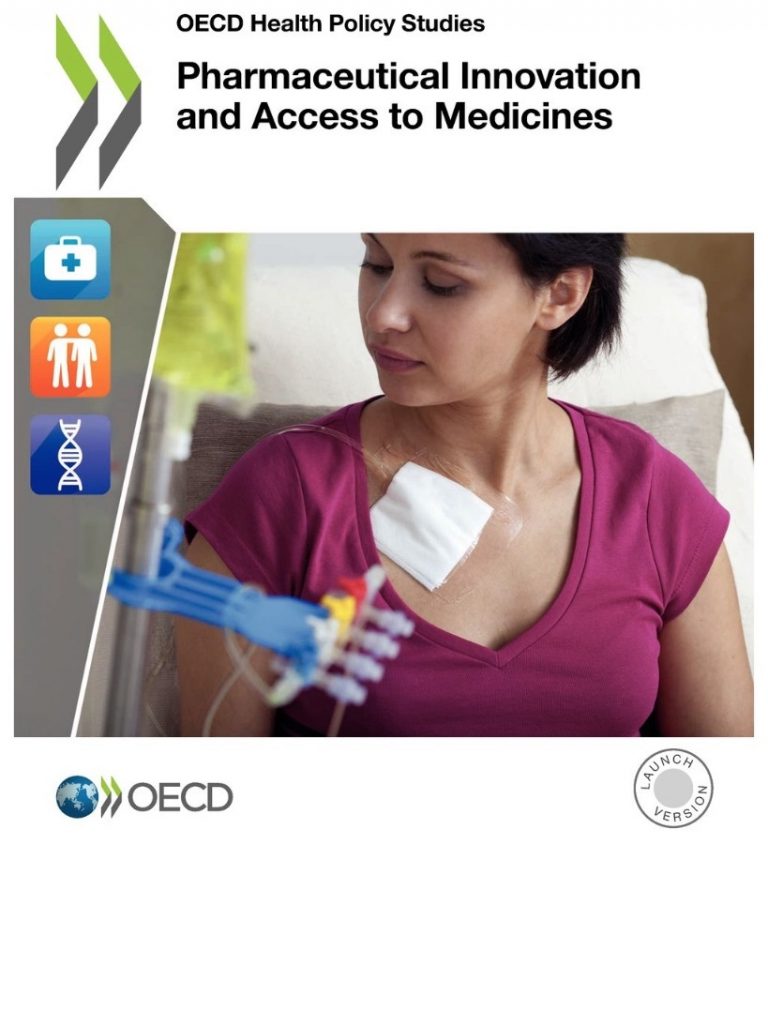
The Organisation for Economic Cooperation and Development (OECD) has released a new report that presents policy options for countries to strike a better balance between promoting financial incentives for pharmaceutical innovation and ensuring affordable access to medicines. Finding this balance, the report explains, will be essential for ensuring the sustainability of health systems.

US IP Stakeholders Seek To Strengthen Public Support For IP, Ensure Future US Competitiveness

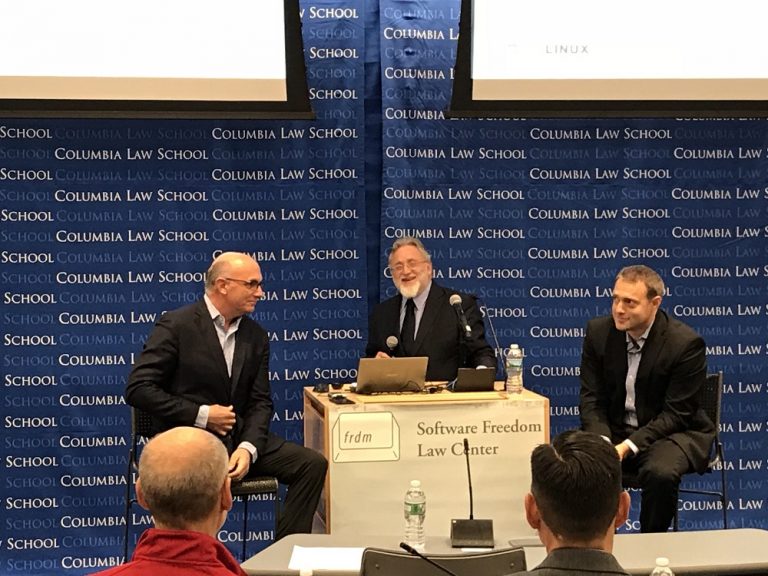
NEW YORK -- United States intellectual property stakeholders from academic, business and legal backgrounds gathered recently to discuss how to increase public support to strengthen the intellectual property rights system in the US, in light of China’s steady rise in numbers of patent and trademark filings. US IP stakeholders argued that developing public awareness and understanding of IP is key to building this support, with some holding diverging views on how to go about this.

Study Finds Arthritis Drug Enbrel Overpatented, Overpriced in US

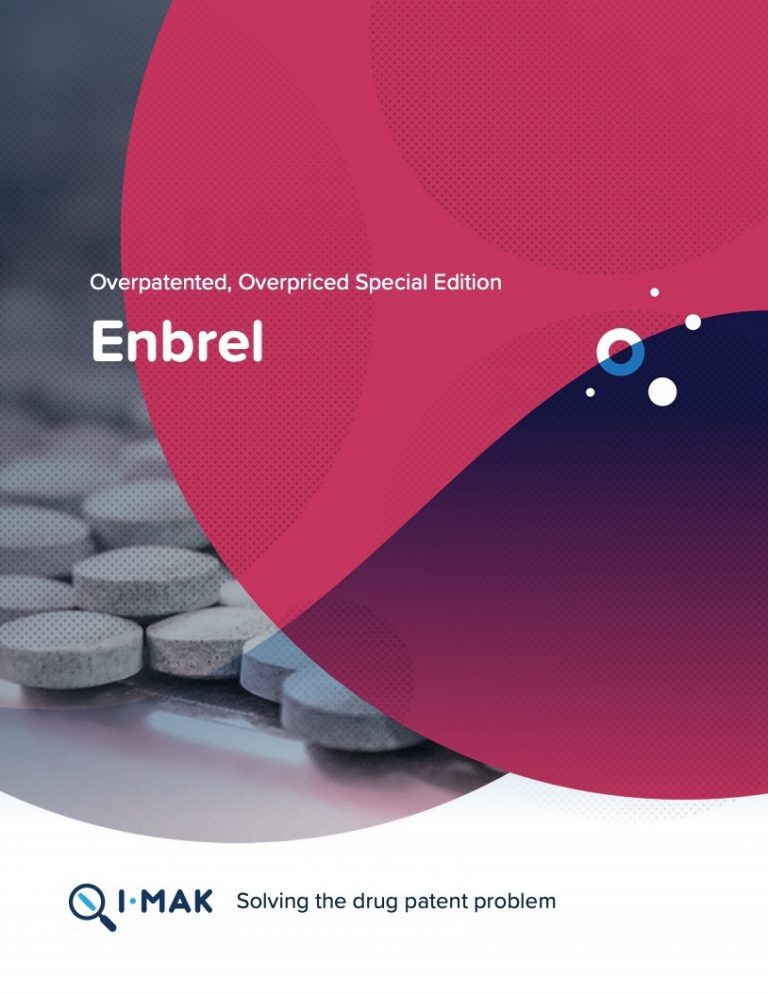
Initiative for Medicines, Access & Knowledge (I-MAK) released a new study yesterday showing that the rheumatoid arthritis drug Enbrel has been overpatented by drugmaker Amgen, which has filed a total of 57 patents on the drug in the United States. Together, these patents were said to delay market competition by 39 years, rather than the standard 20 years for one patent. The study found that this market exclusivity for Enbrel resulted in US$ 8 billion dollars in sales in 2017 alone.

Open Music Initiative: Seeking To Drive The Beat On Global Standards, Rights Attribution

NEW YORK – The Open Music Initiative provides a forum for collaboration across academic, tech and music industry stakeholders around the world, and is working to develop the global standards for music rights attribution that could stand for the next 100 years. Establishing such standards will enable fair compensation to rights holders and creators, and establish a basis for ongoing innovation in the music industry, leading to new digital platforms and services, and new music, according to Open Music members.

A Look At The Proposed EU IP Exception To Promote Generic, Biosimilar Industry Competitiveness

The European Commission has proposed an exception to the extended period of patent protection that the European Union provides to original drug manufacturers for certain products, in order to boost the competitiveness of EU generic and biosimilar industries in global markets. The exception will allow EU generic and biosimilar companies to manufacture protected drugs for export during this patent extension period. Stakeholders are so far unhappy with the exception. Meanwhile, studies analyse its potential economic impacts and legal implications, and the Commission remains confident that safeguards it is putting in place will keep the lower-priced medicines from making their way back into the EU.